Sydney: Tandem Skydive with Optional Transfers

REVIEW · SYDNEY

Sydney: Tandem Skydive with Optional Transfers

4.8 · 202 reviews 3 - 5 hours From $247 Operated by SKYONE · Bookable on GetYourGuide
BOOK ON GETYOURGUIDE →

One minute of freefall changes your brain chemistry.

This tandem skydive takes you up to 15,000 feet for panoramic views stretching from the Blue Mountains toward the coast, guided start to finish by an experienced instructor like Phil or Hayley.

I especially like the way the experience is paced: check-in, gear, and a clear safety briefing before you ever step toward the plane. I also love that you get real value baked in, including APF membership, training, and all required equipment (like goggles).

One consideration: it is not cheap, and food and drinks are not included in the base price. If you want the full photo or video souvenir, you should expect extra costs.

Key Points I’d Plan Around

  • Up to 15,000 feet, with 20-25 minutes in the air before you jump
  • About 60 seconds of freefall reaching roughly 200 km/h
  • Instructors with deep experience, including Phil (55 years, 40,000+ jumps)
  • Big Sydney views, with sightlines from the Blue Mountains toward the coast
  • A proper drop zone setup, with airport-style operations right at the centre
  • On-site comfort options, including space for snacks and barista-served coffee

Arrival and Check-In: Where Nerves Go to Work

Sydney: Tandem Skydive with Optional Transfers - Arrival and Check-In: Where Nerves Go to Work
The experience starts with a simple reality check. You get checked in, assigned your flight number, and paired with your tandem instructor. If you choose the optional transfers, you get picked up and later taken back, which cuts down on the stress of timing everything around a half-day activity.

Before you go anywhere near the aircraft, you’ll handle the administrative basics: you’ll hand over your APF membership and get set up for the run. That APF membership is included in the package, so you are not scrambling to figure it out later.

I like this part because it turns adrenaline into procedure. If you show up expecting chaos, you will probably feel pleasantly surprised that everything has a plan. From what you can see in the experience flow, they prioritize getting you strapped, briefed, and ready, not just loading you onto a plane and hoping for the best.

You can also read our reviews of more tours and experiences in Sydney.

Gear Up: What You Wear (and What You Leave Behind)

Sydney: Tandem Skydive with Optional Transfers - Gear Up: What You Wear (and What You Leave Behind)
Once you are checked in, you get your safety briefing and instructions tailored to the tandem format. You strap into the harness with your instructor behind you, and the team explains what to expect during the jump. That structure matters, especially if you are anxious. When you know how the moment will unfold, you can focus on the view and the sensation instead of imagining worst cases.

You’ll also be fitted with the required equipment, including goggles. Your job is mostly clothing choices and comfort. The basics are straightforward:

  • Comfortable shoes you can sprint and stand in
  • Sunscreen and weather-appropriate layers
  • Closed-toe shoes only (no sandals or flip-flops)

It may be cooler at altitude, so light layers can help. Also, it helps to avoid eating a huge meal right before you go up. You do not need a full stomach to enjoy the jump, and the team explicitly warns against copious amounts of food beforehand.

The Instructor Partnership: How It Feels in Real Life

Sydney: Tandem Skydive with Optional Transfers - The Instructor Partnership: How It Feels in Real Life
The tandem format puts you in a unique position. You are not managing the jump. You are managing your breathing, your trust, and your willingness to follow cues in the moment.

This is also where the best reviews show a clear pattern. People consistently mention being made to feel safe and calm, plus friendly, professional coaching. You may meet instructors including Phil, Hayley, John, Stefan, Yeongbin, Daniel, and Cyndi Louise. Names come up a lot, and that is a good sign that the team keeps things consistent and communicative.

Phil is the standout example of experience in the feedback, with 55 years sky-related experience and 40,000-plus jumps. Even if you do not get Phil, the point is the operation seems built around veteran instructors, not rookies testing themselves on first-timers.

The Flight Up to 15,000 Feet: The Part People Forget to Love

The aircraft ride is not just travel time. You’ll spend about 20-25 minutes climbing, up to roughly 15,000 feet. During that time, you get connected to your harness and settle in with the harness attached to your tandem instructor.

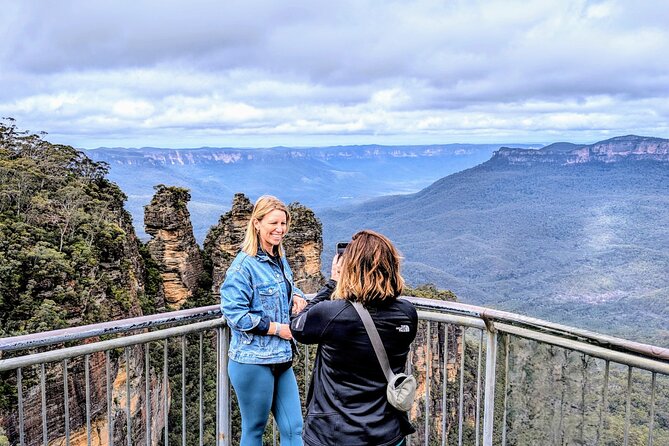
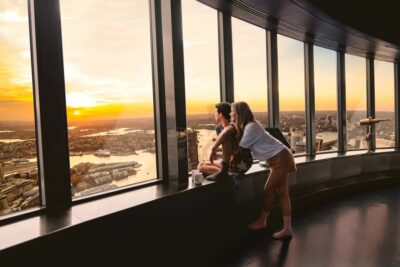
This segment is crucial, because it sets your expectations. From the plane, you get time to look around and get your brain used to the height. And the views are a big deal here. The route is designed so you can see Sydney’s broader geography, with the chance to take in the Blue Mountains and the coast from above.

One more practical detail: the cabin and open-air sensation can feel cool. Dress for that, not for what the ground feels like. If you are arriving in Sydney summer heat, bring something that won’t turn into a problem once you are high up.

The Jump Moment: Exit, Freefall, and Hitting 200 km/h

Now the part you came for. Once you’re in position, it is time to jump. You exit the plane together, then you hit freefall for about one minute, reaching around 200 km/h.

That one minute is short, but it is intense. Your job is simple: listen to your instructor and react to what you feel, not what you think might happen. In tandem, your instructor is controlling the process. You’re along for the ride, literally.

A key detail is the rate of speed. Around 200 km/h is fast enough to make the world feel compressed and loud, even with goggles. If you are worried about panic, this is where the pre-briefing pays off. You will know what cues to expect right when your brain is trying to catch up with the sensation.

Under Canopy: A Gentle Ride Down After the Adrenaline Spike

Once freefall ends, the parachute phase changes everything. You’ll experience a gentle ride down to the ground, with time to look again and absorb the moment. This part is often the emotional landing, because the intensity drops and the view takes over.

This is also the section that helps the whole day feel complete. If freefall is the headline, the parachute ride is the payoff where you can really notice what Sydney looks like from above. The experience description highlights that the jump is tied to panoramic views across the region, and the canopy is when those views get room.

Certificates and That Quiet Afterglow

You finish on the ground feeling like you did something rare. The experience includes a certificate to prove you jumped out of an airplane. It sounds basic, but certificates matter more than people expect. They turn a crazy moment into a small piece of evidence you can show, frame, or just keep as a reminder when the adrenaline fades.

Also, you likely leave with a sense of competence. Even though you did not control the skydive, you practiced following instructions in a high-stress environment. That translates into a different kind of confidence, not just thrill-seeking confidence.

Views Over Sydney: Why This Route Is the Point

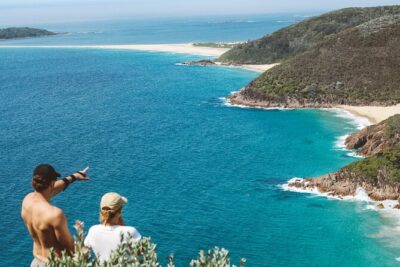
Sydney is big, varied, and visually striking, so the route matters. This experience is built around seeing from the Blue Mountains toward the coast. That means you are not just looking at water or just looking at city buildings. You’re seeing the edges of the region and how it changes from inland to shoreline.

If you care about photography, this is also where the plane ride and parachute ride become worth it. The freefall is fast, and you are locked into sensation and cues. But once you are under canopy, you can actually take in the geography and appreciate why people describe Sydney from above as special.

There is also a practical advantage: the centre is described as Sydney’s only skydive centre with an airport and drop zone. In real-world terms, that often translates to a tighter operation. Less time piecing together locations means less downtime and fewer logistical headaches.

Timing and Transfers: How to Plan Your Half Day

The activity runs 3 to 5 hours, depending on starting times. That makes it a good fit for visitors who want a big adrenaline hit without losing an entire day to planning.

If you pick the transfer option, the biggest benefit is reduced friction. You do not have to worry about getting to the meeting point on time while managing nerves. The downside is you become a little more dependent on the schedule. If you are visiting and juggling other plans, leave buffer time around your skydive window.

Transportation is also rated highly in the feedback, with 85% of reviewers giving a perfect score. That matters because the experience already has enough moving parts. You do not want travel uncertainty on top of the jump.

Price and Value: Is $247 Worth It?

At $247 per person, the value comes from what is included. You’re not paying only for the jump. The base price includes:

  • tandem skydive experience
  • training and equipment (including goggles)
  • APF membership
  • pickup and drop-off if you choose that option

What’s not included is equally important. Food and drinks are not included. Photo and video packages are also not included. And if you want the souvenir media, you should budget for it. One review notes photo add-ons around 150 AUD and a package with photo plus video around 190 AUD.

So the value question becomes simple. Do you want a turnkey adrenaline experience with training, gear, and membership taken care of? If yes, the $247 price tag makes sense because it is not just paying for a freefall moment. You are paying for an organized, safety-first operation led by instructors who are clearly comfortable teaching first-timers.

If you are the type who wants to keep costs ultra-tight, you can do that by skipping media packages and planning your food separately. Just plan smarter than trying to grab a meal last minute after you land.

Weight Limits and the Extra Fee: The Part You Must Read Carefully

This is not the kind of experience you want to gamble on at the last second. There is a maximum weight of 115 kg. And if you are in the higher weight range, there is a weight surcharge:

  • 95 to 99 kg: +$25
  • 100 to 109 kg: +$50
  • 110 to 115 kg: +$100

If you’re near those thresholds, check early. It is one of the few financial surprises that can change your total quickly. The upside is at least it is clear and stated up front.

Also keep in mind the experience is not suitable for children under 16, pregnant women, and people over 115 kg.

Who Should Book This Sydney Tandem Skydive?

This is a strong match if you:

  • want a once-in-a-lifetime adrenaline rush with structured training
  • care about views and want time in the air before the jump
  • appreciate instructors who put effort into calming nerves and explaining what happens next

It may be less ideal if you hate height but are willing to work through it. The experience is designed to be manageable for first-timers, but you will still experience a fast, high-speed freefall. If you are very claustrophobic or have serious health concerns, you should double-check suitability before booking.

If you want a souvenir, consider whether you want the media package. The included experience gives you a certificate, but photos and video are what many people use to re-live the day.

Should You Book This Tandem Skydive?

Book it if you want the whole package: APF membership, gear, training, a full flight up to height, and a jump that includes an instructor controlling the process while you enjoy the ride. The combination of speed (200 km/h), time (about 60 seconds freefall), and views (Blue Mountains toward the coast) is exactly the mix that makes people talk about this kind of day for years.

Skip or reconsider if you are budget-sensitive about extras, like food and media, or if you are close to the weight threshold and need to factor surcharges. Also think twice if you are not comfortable with strict clothing rules, closed-toe shoes, and the idea of going up when it may be cooler at altitude.

If you can handle the basics, this is a high-impact Sydney experience with the operational polish you want when you’re literally stepping out of a plane.

FAQ

Do I get pickup and drop-off?

Yes, pickup and drop-off are included if you choose the transfer option. If you do not choose it, you meet at the building, and the exact meeting point can vary based on what you booked.

How long does the tandem skydive take?

Plan for about 3 to 5 hours total. The exact timing depends on the starting times available.

What exactly is included in the $247 price?

The package includes the tandem skydive, all training and equipment (including goggles), and APF membership. Food and drinks and media packages are not included.

Is there a minimum age or suitability limits?

Yes. The experience is not suitable for children under 16, pregnant women, or people over 115 kg.

What is the weight limit, and are there surcharges?

The maximum weight allowed is 115 kg. There are weight surcharges for people 95 kg and above, with fees increasing at 95-99 kg, 100-109 kg, and 110-115 kg.

What should I bring?

Bring comfortable shoes, sunscreen, weather-appropriate clothing, and closed-toe shoes. Sandals or flip-flops are not allowed.

How high do you go, and what is the freefall like?

You go up to about 15,000 feet. The freefall is about one minute, reaching around 200 km/h.

What happens after you land?

You’ll receive a skydive certificate to prove you jumped out of an airplane.

What if the weather is bad or I need to cancel?

You can cancel up to 24 hours in advance for a full refund. If you cancel within 48 hours of the jump time, a $100 per person cancellation fee applies. If you cannot jump due to weather or unforeseen circumstances, your skydive is rescheduled free of charge.