
REVIEW · KATOOMBA TOURS
Small-Group Weekend Rock Climbing Adventure from Katoomba
Rock climbing starts with real safety skills.
This 2 day, small-group weekend course in the Blue Mountains is built for beginners, so you go from basic rope and belaying fundamentals to guided, on-rock climbing with world-class technique. You start at 8:45am in Katoomba and spend both days learning and practicing in the open air, not a gym.
I especially like how much of the first day is about getting solid at the stuff that keeps you safe, like belay anchors, knots, rope handling, and abseiling basics. I also love that the instructors ramp you up with graduated climbs, so you build confidence fast and actually use what you learn.
One thing to consider: this is still physical outdoor work. You should have a moderate physical fitness level, and you will be moving on real rock, tying knots, and doing controlled rope tasks for multiple sessions.
Key things I’d watch for before you go
- Small group size (max 15 travelers): you get more instructor time and feedback than you likely would on a big group outing.
- Day one is skills heavy: belaying, rope handling, tying knots, and abseiling fundamentals come first, then climbing.
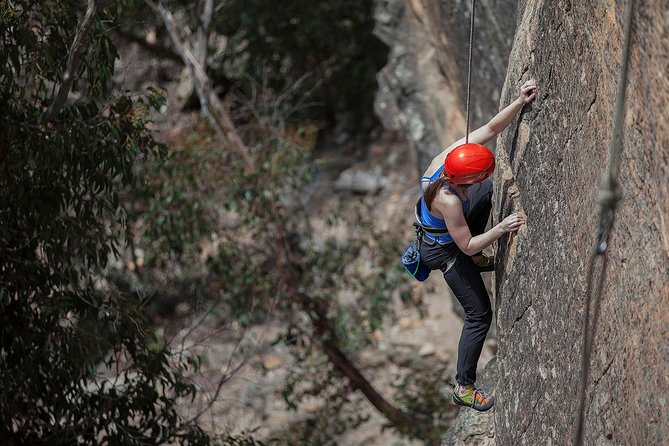
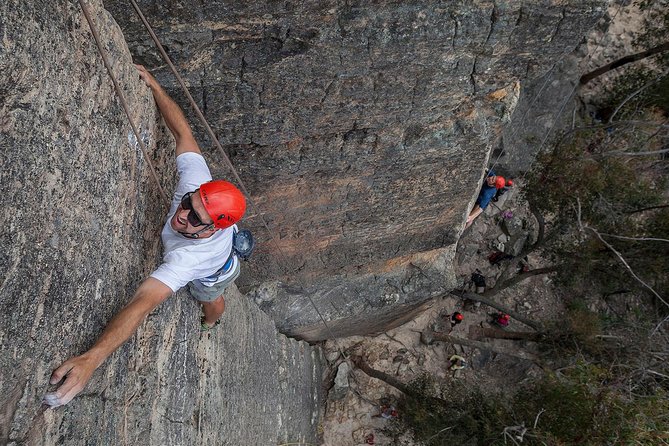
- Real outdoor climbing, not a demo: you’ll be on rock throughout the course, using equipment the whole time.
- Modern safety and technique focus: you learn how to select and use current abseiling and rock equipment.
- Instructors adapt to your level: climbing is designed to match what you can handle, not a one-size-fits-all route plan.
Setting Off From Katoomba, And Why This Course Works

Katoomba is a smart launch point for a beginner rock course. You meet at 166 Katoomba St and start at 8:45am, then you head out to begin that day’s climbing training. The timing matters because you’re not just “there for the view,” you’re there to practice while you still have full energy and daylight.
This course is run by the Australian School Of Mountaineering, and it’s designed for people with little or no prior outdoor climbing experience. That goal shows in how they structure the weekend: first safety competence, then lots of time on rock.
The small group size, max 15 travelers, is another big plus. It usually means you won’t spend the day waiting your turn, and it makes it more realistic for instructors to notice what you need to fix, like rope position, stance, or belay technique.
You can also read our reviews of more tours and experiences in Blue Mountains.

Day One: Belaying, Knots, and Abseiling Fundamentals
Day one starts with safety awareness and belaying skills, then moves straight to rock climbing so you can apply what you just practiced. You begin with core movement and gear skills: using climbing equipment correctly, learning efficient use of holds, and rope handling basics. If you’ve only climbed indoors, this is the moment where outdoor climbing stops feeling mysterious and starts feeling manageable.
You’ll work through practical topics like tying knots, understanding belay anchors, and using correct belay technique. This is also where abseiling comes in, with training in the art of safe movement on rock and controlled descent skills. You’re not just being told what to do, you’re building a repeatable routine you can trust.
What I like about this part is that the training isn’t only theoretical. It’s geared for hands-on competence, with instructors accompanying you on a special selection of graduated climbs. You progress step-by-step, instead of being thrown onto a hard line and hoping for the best.
You might notice that many beginner courses over-focus on climbing and under-invest in rope basics. Here, the order is different. It helps you climb with a calmer brain because the safety mechanics feel under control.
Day Two: “Just Climb,” With Instructor Support
The second day is devoted mainly to the joy of climbing. Instead of spending the whole day repeating fundamentals, the instructor aims to take you on as many varied climbs as possible. That matters because repetition on real routes is how you turn skills into instincts.
The objective is straightforward: learn and develop skills and technique as you climb. In other words, you keep building on what you did day one, but you also get time to enjoy the movement, the problem solving, and the sense of improvement that comes from trying multiple routes at your level.
The course is designed so that after two days you can competently climb with experienced leaders on short, moderately graded rock climbs. That’s a meaningful transition. It’s not a “come try this one thing” experience. It’s a foundation you can build on with future outdoor adventures.
The Blue Mountains Angle: Why Outdoor Rock Changes Everything
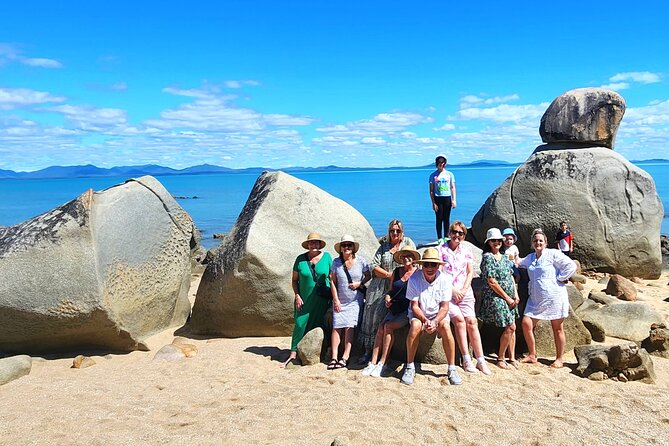
Climbing on Blue Mountains rock is not just about scenery. Outdoor rock demands more attention to movement, traction, and how you handle your rope system in a real setting. Even when the routes are beginner-friendly, the environment makes you more aware of your body position and your safety steps.
This course is also a bridge from indoor climbing to outdoors. Indoor gyms teach you technique in a controlled setting, often with consistent holds and reliable surfaces. Outdoors, you still learn technique, but you also practice reading the rock with your feet and managing your pace.
That is why the structure of this course matters: you don’t just get a taste of climbing. You get world-standard technical rock and rope skills training paired with real climbing practice.
If you’ve ever been frustrated by feeling confident on a gym wall but unsure outdoors, this weekend format is a solid fit. You build the skills that help you translate indoor ability into outdoor confidence.
Guides and the Kind of Teaching That Builds Confidence

One of the best signs of quality is how instructors handle different comfort levels within the same group. In the feedback I’ve read, guides like Liam, Pedro, and Scott were praised for patience and for choosing routes to match the group’s grade and abilities. That is exactly what you want in a beginner course.
People also highlighted how instructors keep safety front-and-center while still making the day fun and engaging. In one example, a 13-year-old was able to manage all aspects of climbing independently, which speaks to teaching that is both clear and structured.
You can also see the same theme with different instructors, including Zuza and Lewis, described as friendly and focused on safety and learning. That consistency across different guide personalities is a good sign. It suggests the course has a real system, not just “good vibes.”
What’s Included, And What You’ll Still Need to Plan

The included items make this course easier to budget for because most of the expensive “extras” are handled for you. Your fee includes national park fees, a professional guide, and all technical equipment. That means ropes, helmets, harnesses, technical hardware, and climbing shoes are supplied.
Lunch is included each day, and you also picnic in the bush with tasty lunch provided. If you have dietary requirements, you should inform the team when booking so they can plan appropriately.
What is not included is accommodation. You’ll need to arrange your own place for the night between days, unless you’re already local. Hotel pickup and drop-off also aren’t included, and drinks are not included unless specified.
Also, bring a mindset that fits a physical skills weekend. You will tie knots, handle rope systems, and practice controlled rope tasks like abseiling. Even if you’re not “sporty,” you should be prepared to work your way through the basics with effort and focus.
Price and Value: What You’re Really Paying For
At $394.48 per person for approximately 2 days, you’re paying for a guided, safety-intensive skill course, not just sightseeing. The value comes from three areas.
First, you get instruction from certified climbing instructors who are actively teaching safety skills like belaying anchors and rope handling, plus teaching abseiling. Second, the fee covers your equipment and national park access. Third, you get small-group attention, max 15 travelers, which helps beginners progress instead of getting lost in a crowd.
If you’ve ever tried outdoor climbing without formal coaching, you know how expensive and risky it can become quickly. Here, your biggest risks are reduced by training and supervision, and your biggest costs like gear are handled. For a beginner, that’s often the difference between a fun first attempt and a stressful one.
Timing, Location, and How to Prepare

You start at 8:45am at 166 Katoomba St, Katoomba NSW 2780. The experience ends back at the meeting point, so you’re not left guessing where to be dropped off or how to get home.
Because the course runs on real weather, plan for changes. Good weather is required, and if conditions are poor, you’ll be offered a different date or a full refund. It’s a reminder that this is an outdoor training weekend, not a guaranteed indoor activity.
For preparation, think practical. Wear clothing that you can climb in, and be ready for sun and brief exposure to the outdoors environment. You don’t need to bring climbing gear since it’s supplied, but you should show up mentally ready to practice safety skills and repeat movements until they feel right.
If you’re coming from an indoor gym background, tell the instructor what you can already do. That helps them fine-tune the routes and rope work so you keep improving without feeling stalled.
Who This Course Suits Best
This weekend is ideal if you are:
- A beginner with little or no previous outdoor climbing experience
- Moving from indoor climbing to real rock and want structure
- Looking for a guided way to learn abseiling and core rope systems safely
- Traveling with a group and want a small-group vibe, max 15
It can also work well for teens who are comfortable taking instructions and practicing hands-on skills, with the minimum age 14 and children required to be accompanied by an adult. The course is built for learning competence, and the teaching style seems to support independence once skills are in place.
What might not suit you is if you dislike controlled rope work, or if your fitness is below moderate. Rope tasks and climbing movement require energy, and abseiling requires calm, careful attention.
Should You Book This Two-Day Katoomba Beginner Climbing Course?
I think you should book it if you want a real beginner foundation on outdoor rock, not a quick taste. The strongest reasons are the safety-focused structure day one, the lots-of-climbing practice day two, and the fact that equipment and lunch are included.
You’ll also likely enjoy it if you appreciate small-group learning and instructor support that matches your grade. With guides like Scott, Liam, Pedro, Zuza, and Lewis mentioned in feedback, the teaching style seems consistent: safety first, then technique, then confidence.
If you’re the kind of person who learns best by doing, and you want a course that helps you climb with experienced leaders afterward, this is a smart choice.
FAQ
What is the duration of the rock climbing course?
It’s a 2 day course (approx.). You start at 8:45am and the activity ends back at the meeting point.
Where do I meet for the tour?
You meet at 166 Katoomba St, Katoomba NSW 2780, Australia.
How many people are in the group?
The course has a maximum of 15 travelers.
Is this course only for experienced climbers?
No. It’s designed for participants with little or no previous outdoor climbing experience, and it also works well as a transition from indoor climbing.
What skills will I learn over the weekend?
You’ll learn fundamentals such as safe movement on rock, using climbing equipment, rope handling, tying knots, belay anchors, correct belay technique, and abseiling basics, plus other climbing techniques.
Is equipment provided?
Yes. The fee includes supply and use of all technical equipment, including ropes, helmets, harnesses, technical hardware, and climbing shoes.
Is lunch included?
Yes. Lunch is included each day, and you’ll also picnic amid the bush.
What’s not included in the price?
Accommodation is not included, hotel pickup and drop-off are not included, and drinks are not included unless specified.
What fitness level do I need?
You should have a moderate physical fitness level. The course involves climbing movement and rope skills practice.
More Tour Reviews in Blue Mountains
Not for you? Here's more nearby things to do in Blue Mountains we have reviewed




More Katoomba Tours
 ★ 4.6Katoomba: Lyrebird Hop-On Hop-Off and Scenic World PassFrom $82553 reviews
 ★ 4.3Katoomba: Scenic World 1-Day Unlimited Discovery PassFrom $43284 reviews
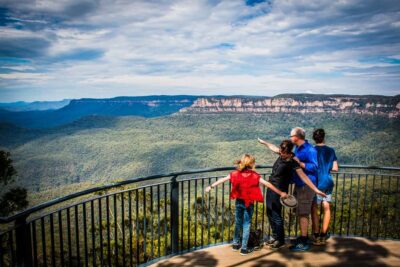 ★ 4.5Katoomba: Blue Mountains Full-Day Hop-On Hop-Off Bus TourFrom $38274 reviews
 ★ 5.0Small-Group Full-Day Rock Climbing Adventure from KatoombaFrom $17914 reviews
Explore related Sydney days