
REVIEW · JERVIS BAY TOURS
Vincentia: Jervis Bay Beach Stargazing with an Expert
If you think you know the stars, this changes your view fast. Vincentia’s night sky over Jervis Bay is the real show, guided by a pro who uses laser-guided stories and telescope time to make space feel personal. You get the sky as a map, then you get it up close.
I especially like the mix of naked-eye guidance with constellation storytelling, plus the hands-on Q&A. It is not just looking up, it is learning how to find things and what you are actually seeing. The only real catch is weather, if clouds roll in, your session can be cancelled, even though you will get options afterward.
Plan for an easy, comfortable evening, and you will get a lot from the 90 minutes. Just note it is not dog-friendly and it is not wheelchair-accessible, and children need to be over 6 years old.
Key points worth planning for
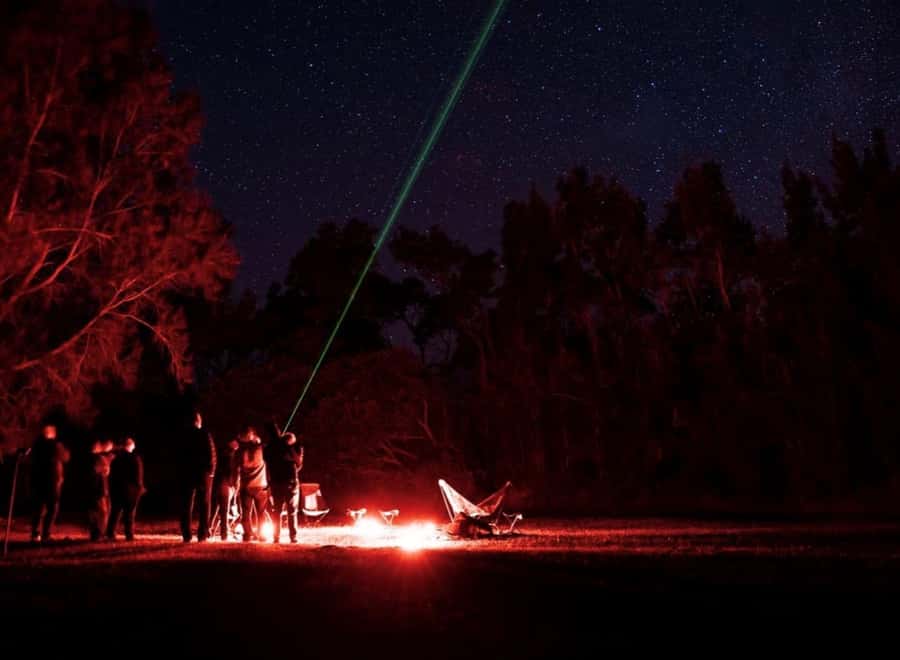
- Laser-guided constellation stories that help you navigate the sky quickly
- State-of-the-art telescope views that change with the season, like Saturn’s rings or Jupiter’s moons
- Naked-eye astronomy with waves sounds, plus tips for spotting Milky Way, satellites, and the ISS
- Astrophysicist-led Q&A, so you can ask your specific questions instead of guessing
- Complimentary night-sky digital photo you keep after the tour
Why Jervis Bay in Vincentia is the star attraction
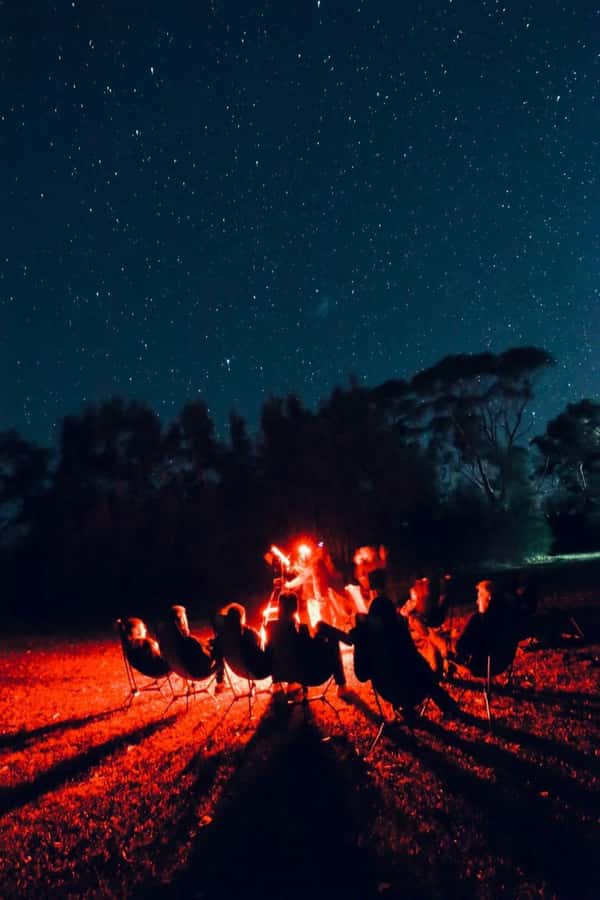
Jervis Bay is built for night skies. Away from big-city glare, you can actually see the difference between a random patch of darkness and a structured sky. That matters, because most people stare at the stars without a plan, then they lose the thread when the clouds drift in or their eyes take too long to adjust.
Here you get a clear “what to look at first” approach. The tour combines two sight lines: naked-eye viewing for the big, sweeping patterns, and a telescope for the crisp, dramatic stuff. I like that the guide does not treat these as separate experiences. You move between them, so the sky stays connected instead of turning into two unrelated activities.
You also get extra visual cues that make the night easier to read. The naked-eye part includes waves sounds, which might seem like a small touch, but it helps the evening feel calm and focused, not rushed. If you want a night where your attention stays on the sky, this setup helps.
The 90-minute flow: what happens when the lights go down
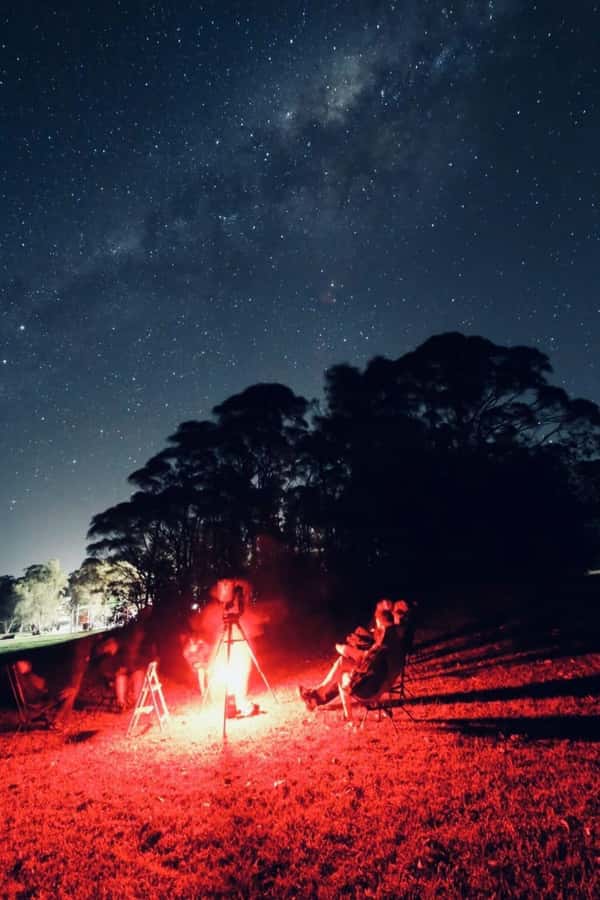
This is a 90-minute guided session, and the pacing is designed for real darkness adaptation. You start with a laser-guided session for the story of what you are seeing, then you move into telescope viewing when the sky and season line up for the best targets.
The naked-eye portion is not just pointing. You get navigation tips using stars as reference points. That is practical because it means you will understand where things are, even if you do not remember every constellation name later. You will also learn how to spot highlights like the Milky Way (season dependent), satellites, the International Space Station, the Tiangong space station, and possible shooting stars.
Then the tour shifts into telescope time, which is where the “wow” often lands for first-timers. Depending on the time of year, you might see:
- the Moon with craters and seas
- Saturn’s rings
- the moons of Jupiter
- Mars or Venus
- the Orion Nebula
- star clusters
- double and triple stars
- deeper objects like galaxies
I like the way this avoids the common problem of stargazing tours that only show one planet for a few minutes and call it a night. Here, the guide looks at what the sky offers, then uses the telescope to match it.
Laser-guided constellation storytelling you can actually use
The constellation segment is where you start thinking like a sky mapper, not just a sky watcher. You get constellation storytelling paired with star signs and guidance that works with what you see in front of you tonight. If Orion is up in your season, that is typically part of the program, but the bigger value is learning how stories attach to real shapes.
You also cover antique constellations and how different cultures viewed the same sky. That is more than trivia. It helps you understand why some star patterns have names that sound ancient and why the sky looks familiar in one place and totally different in another. When your brain has a few reference stories, the sky becomes easier to remember.
A practical bonus: you are not left guessing at the end. You get to ask questions during the Q&A with the astrophysicist. That is useful because people often want answers that are personal, like how satellites differ from stars, why the Milky Way looks like it does, or what makes certain nebulae hard to spot with the naked eye.
Telescope time, what you might see, and how to maximize it
Telescope viewing is included, and the exact targets depend on the season, which is exactly what you want. Night skies are not a static museum. A tour that promises the same list every night would be less honest and less useful.
So instead, you get a menu that can include:
- The Moon: craters and dark seas, ideal for seeing texture and contrast
- Saturn’s rings: usually one of the top highlights when conditions are good
- Jupiter’s moons: a classic “yes, that dot is real” moment
- Mars and Venus: bright planets that often look different from what people expect
- Orion Nebula: a deep-sky target that connects the sky story to real physics
- Star clusters and double or triple stars: great for training your eye
- Galaxies: if visible, these are for the patient look, not the quick stare
Here is how you get the most out of it. When the telescope points at something, resist the urge to rush. Let your eyes settle, especially if you have been staring at darker areas of sky for a while. Also, be ready for the guide to explain what you are looking at in plain terms. You will do better when you know the difference between a planet, a star, and a fuzzy deep-sky object.
One extra real-world note from past sessions: the seating can be something you need to handle carefully. Bring your patience, sit in a stable way, and avoid grabbing or bumping chairs while people are viewing.
Naked-eye highlights: Milky Way, satellites, and quick sky wins
Even if you never touch the telescope, you can still leave with a sky full of memories. The tour is built around naked-eye astronomy with star navigation tips, and it includes real potential targets.
Depending on the time of year, you may see:
- the Milky Way
- satellites
- the International Space Station
- the Tiangong space station
- possible shooting stars
These are the kinds of things you can miss on your own, not because they are rare, but because you do not know when and where to look. The guided element reduces that frustration. You spend time watching, not scanning wildly.
You also learn a key mindset shift: you are not just looking up. You are looking with reference points. If the guide shows you how to anchor your view using a familiar constellation, the rest of the sky makes more sense. That is what turns a one-time night into a skill you can reuse on future trips.
The beach setting: comfort, timing, and what to bring
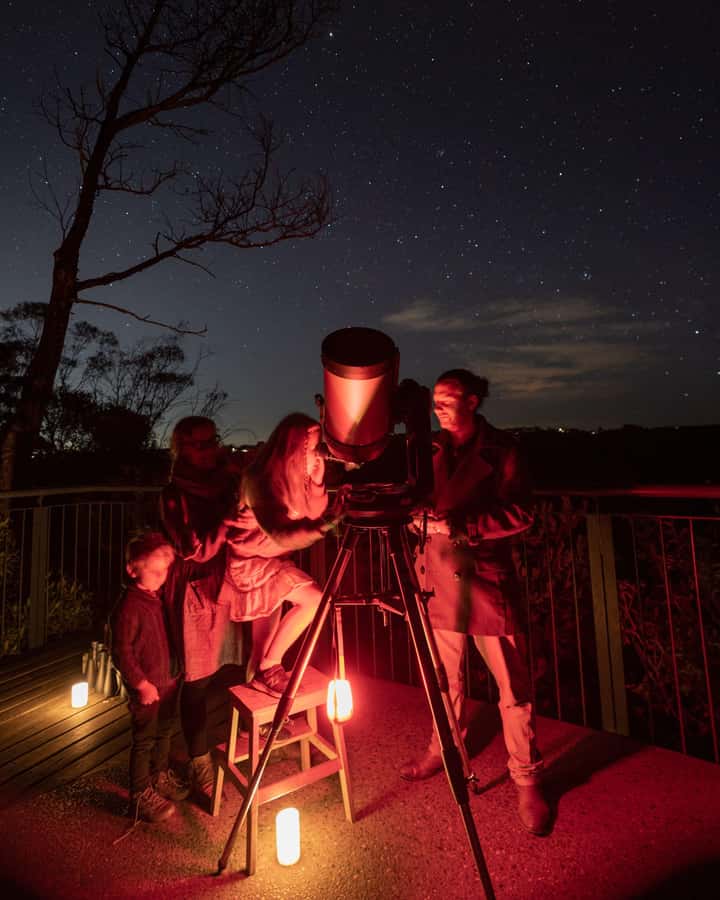
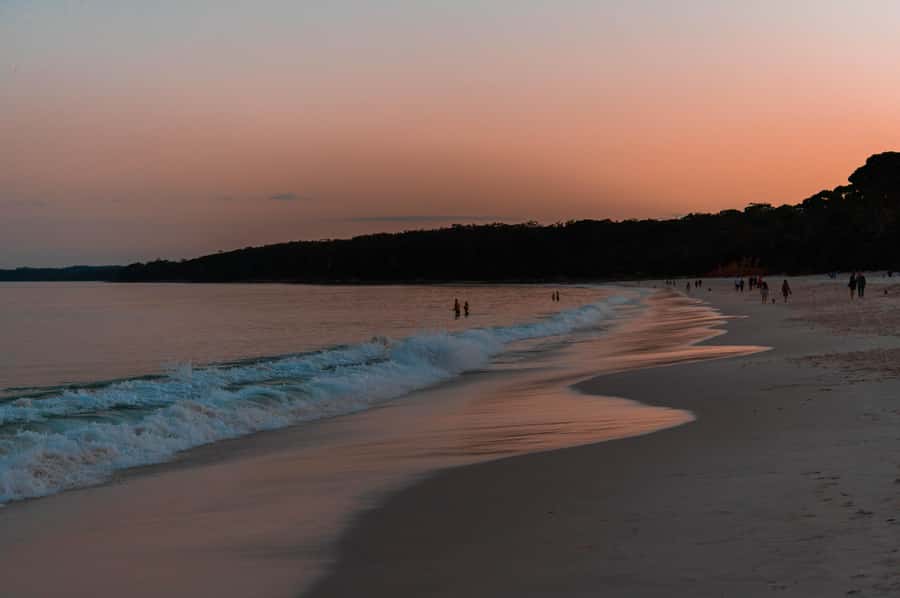
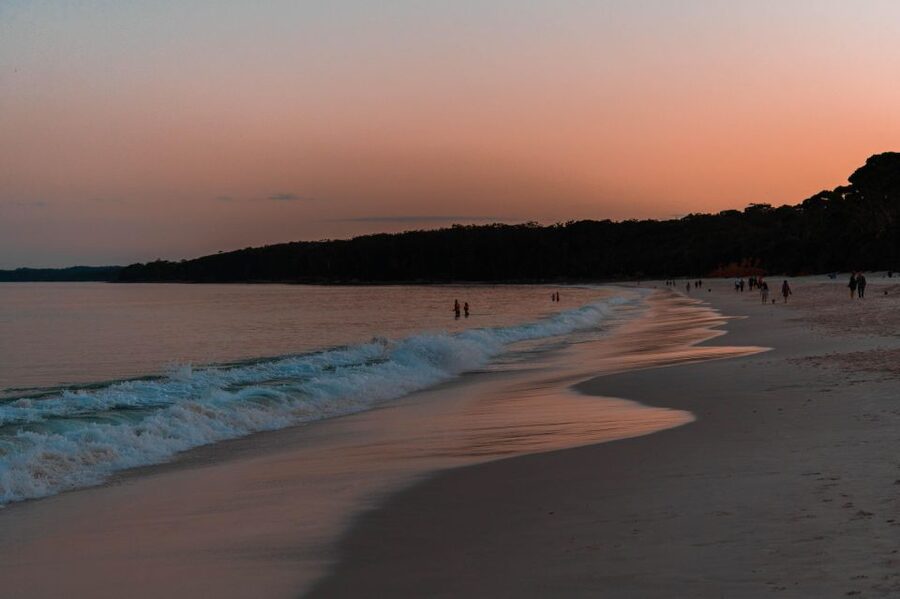
You meet at a beach in Vincentia, and you receive the exact location after booking. Expect a dark, open outdoor setting where you will likely be seated for parts of the night. It is 90 minutes, but night temperatures near the coast can turn chilly faster than you think, especially after sunset.
Bring layers. Even if the day was warm, you are spending time standing or sitting in cooler night air. Also, plan for your eyes to adjust. Give yourself a moment before you decide something is too dark to see.
A small but important comfort detail: you will be looking up for long stretches. If your neck gets sore, bring a way to support yourself comfortably, like a compact layer you can fold for sitting. You do not want discomfort to kick you out of the moment.
And yes, handle the chairs carefully. Past experiences have flagged that the seating needs care, so treat it like something you do not want to topple while shifting positions.
Who this is for, and who should think twice
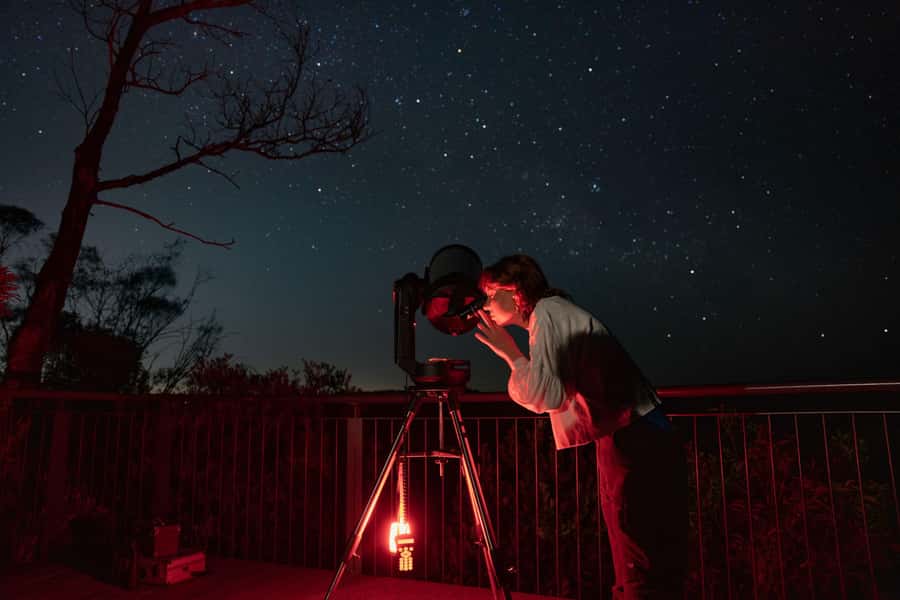
This tour fits best for people who want structure in a night activity. If you like learning, asking questions, and leaving with a few “I can find that again” skills, you will enjoy it. If you are hoping for a quiet, solo stargazing night with no talking, this is less your style, because it is built around guided storytelling and Q&A.
Age-wise, it is for children above 6 years old. There is a child ticket for ages 6 to 15, and it is not suitable for babies under 1. It is also not dog-friendly, and it is not wheelchair-accessible.
If you are traveling with kids, this can still be a great family-style education experience, but you should expect a focused group setting rather than a casual walk. The payoff comes from the guide’s ability to make the sky feel understandable, and that often lands well with kids who are curious rather than tired.
Price and value: is $65 worth 90 minutes of night sky?
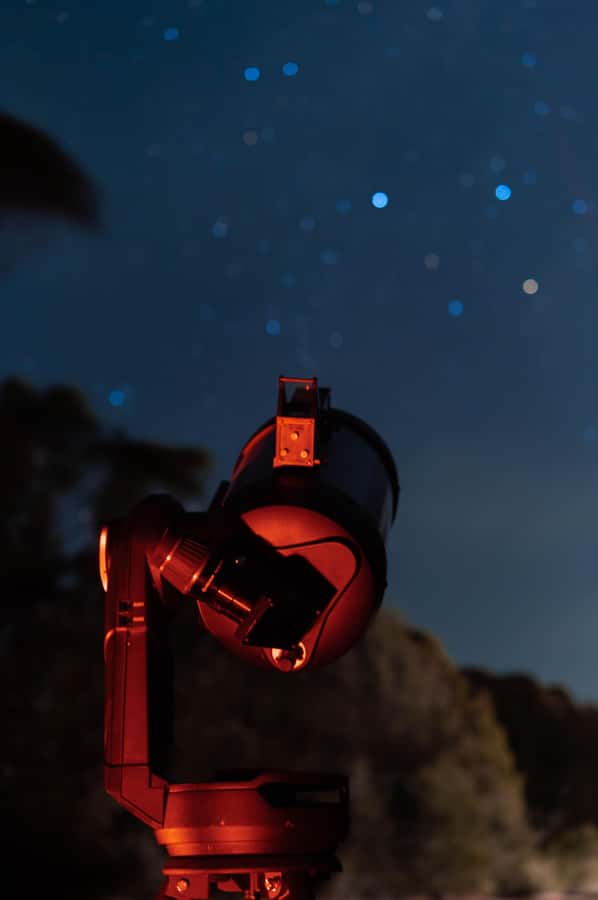
At $65 per person for a 90-minute session, the value depends on how you like to travel. If you go to see space tech, this tour keeps the time practical: you get telescope viewing that changes by season, plus a laser-guided program that helps you interpret what you are seeing.
You are not only paying for equipment. You are paying for a pro who can point, explain, and adjust in real time to the sky conditions and what is visible. You also get included items that matter for the experience:
- state-of-the-art telescope viewing (season dependent)
- astronomy binoculars
- laser-guided constellation storytelling
- Q&A with an astrophysicist
- a complimentary night digital photography souvenir
That last item is a sneaky value booster. A decent night-sky photo is hard to make on your own without planning and the right gear. Even if you bring a camera, you cannot guarantee you will capture something shareable. Here you get a keepable digital photo as part of the experience.
Also consider group size. There is a minimum of 8 participants to run the tour, with a maximum capacity of 20. That tends to keep it personal enough for Q&A without turning into a crowd you cannot hear.
Weather reality: when clouds change the plan
Outdoor stargazing is at the mercy of the sky. If you show up to overcast conditions, the tour can be cancelled. The operator emails a cancellation notification at 3 pm on the day of the tour.
You are offered a choice: a credit that is valid for 3 years and transferable to other people as a gift voucher valid in Jervis Bay or the Blue Mountains, or a refund with a note that 5% service fees are non-refundable. If you cancel as a guest, the booking is non-refundable, and no-shows are also non-refundable.
The practical takeaway: keep your flexibility if you book this. If your schedule is tight and the forecast looks iffy, you might still book, but plan to treat the day as weather-dependent rather than guaranteed.
Should you book Vincentia Jervis Bay stargazing with an expert?
I would book this if you want a guided night sky you can understand, not just a dark field with a vague pointing stick. The best reasons are the pairing of laser-guided storytelling with telescope targets that match the season, plus the chance to ask real questions. If you care about learning where things are, this is one of the more efficient ways to do it in a short time.
I would think twice if you are very sensitive to disappointment from weather. Clouds can shut the session down, even though the operator gives options. Also, if you rely on wheelchair access or want to bring a dog, this is not the right fit based on what is offered.
If you are in the area and your timing allows flexibility, this tour is a strong use of an evening in Jervis Bay. You come for the stars, but you leave with a map, a photo souvenir, and a sky that makes sense.
FAQ
How long is the stargazing tour?
The tour runs for 90 minutes.
How much does it cost?
It is $65 per person.
Where is the meeting point?
You meet at a beach in Vincentia. The exact location is sent to you after booking.
What is included in the tour?
It includes a 90-minute stargazing experience with an astrophysicist, state-of-the-art telescope viewing, astronomy binoculars, laser-guided constellation storytelling, Q&A, and a complimentary night digital photography souvenir.
What can we see during the tour?
Depending on the time of year, you may see the Milky Way, satellites, the International Space Station, the Tiangong space station, shooting stars, and constellations including Orion. Telescope viewing may include the Moon, Saturn’s rings, Jupiter’s moons, Mars, Venus, the Orion Nebula, star clusters, double and triple stars, and deep space objects such as galaxies.
Is the tour suitable for young children?
Children must be over 6 years old. Child tickets are for ages 6 to 15. It is not suitable for babies under 1 year.
Is the tour dog-friendly or wheelchair-accessible?
It is not dog-friendly, and it is not wheelchair-accessible.
What happens if the sky is overcast?
If it is overcast, you will get a cancellation notification by email at 3 pm on the day of the tour. You can choose a credit valid for 3 years that can be transferred as a gift voucher for Jervis Bay or the Blue Mountains, or a refund (5% service fees non-refundable).
More Jervis Bay Tours
 ★ 4.4From Sydney: Jervis Bay Day Tour and Dolphin Watching CruiseFrom $94374 reviews
 ★ 4.5Jervis Bay Whale Watching Tour353 reviews
 ★ 4.0Jervis Bay Dolphin CruiseFrom $37294 reviews
 ★ 5.0Half-Day Jervis Bay Sea Kayak TourFrom $104275 reviews
 ★ 4.3Huskisson: Dolphin Cruise & Boom Netting Experience112 reviews
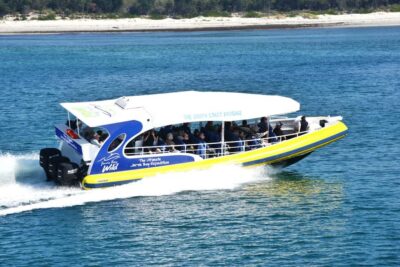 ★ 4.5Jervis Bay: 2-Hour Cruise of Jervis Bay PassageFrom $6397 reviews
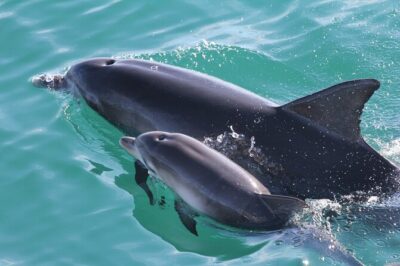 ★ 4.5Jervis Bay Passage TourFrom $6494 reviews
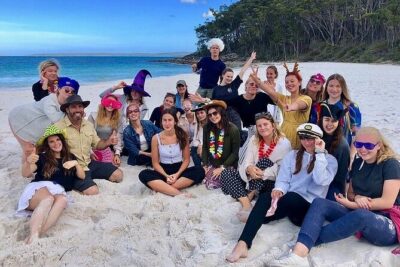 ★ 4.5Jervis Bay Tour with Dolphins, Kangaroos & World’s Whitest BeachFrom $12876 reviews
Explore related Sydney days