
REVIEW · PORT STEPHENS TOURS
Anna Bay: Irukandji Entry Pass with Shallows Encounter
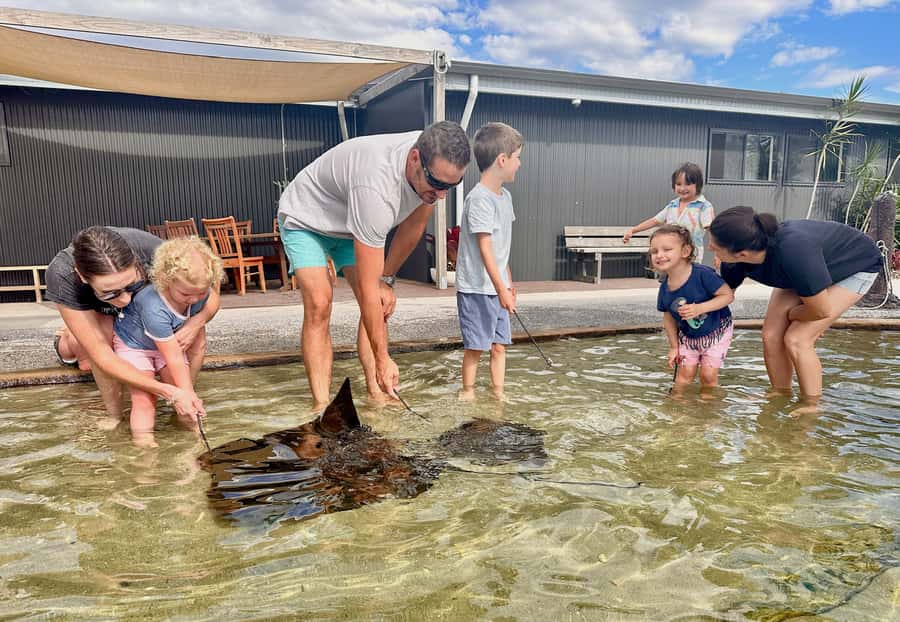
Shallow water, big heart, lots of hands-on action. Irukandji Shark and Ray Encounters in Anna Bay lets you skip the glass and spend time in two lagoon zones with sharks and rays close enough to feel their presence. What I like most is the simple rhythm of the experience, guided feeding sticks, short talks, then a calm walk from pool to pool.
The second thing I really love is the focus on safe interaction. You can stay mostly dry with the Entry Pass, or go further with a wetsuit option for deeper water. It makes the whole trip feel accessible for families, not just fearless adults.
One drawback to plan for: this is wading only (no swimming), and the lagoon can only be entered without shoes. If you hate wet sand, or if your kids need lots of movement time, you may want to start thinking early about the wetsuit option and warm layers.
Key Points You’ll Actually Care About
- Two natural-style lagoons in shallow water, with different species in each zone
- Feeding sticks and shark food provided at guided feeding points
- Petting and close contact in controlled areas, not random roaming
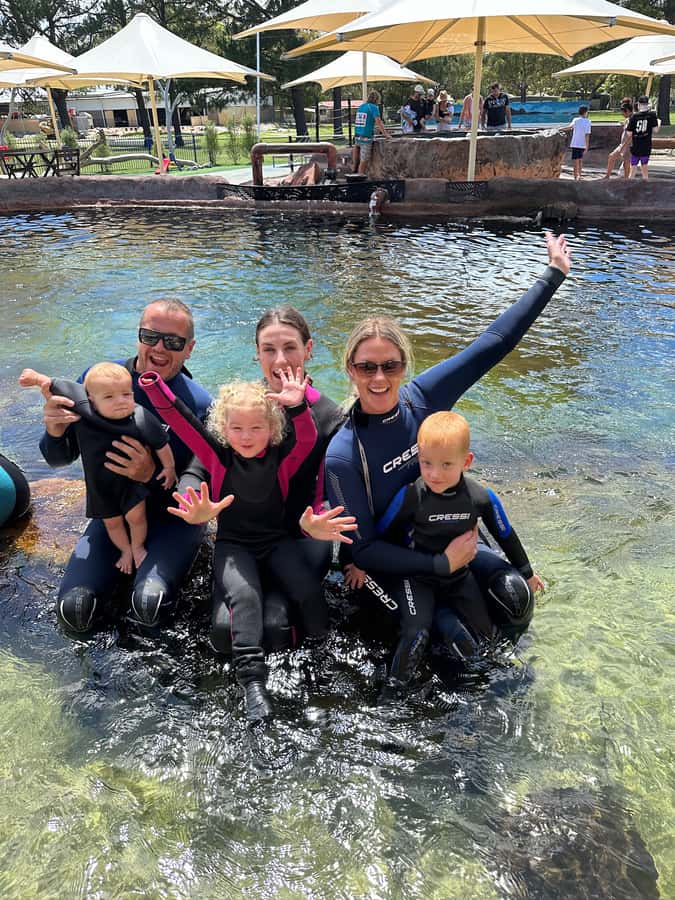
- Optional wetsuit route if you want more time under the water
- Warm showers after so you can leave feeling human again
A Shallows-Only Shark and Ray Encounter in Anna Bay
Anna Bay is not what most people picture when they think of a “shark day.” No muddy boat ride. No long hike to a cliff. Instead, you get a guided, hands-on wildlife experience built around shallow lagoons and clear rules.
Irukandji’s big idea is simple: you meet sharks and rays in their water, not behind glass. That shift changes the whole vibe. It is calmer than you’d expect, because the keepers control the flow, and the interactions happen at specific pools with specific feeding moments.
If you want something educational but not lecture-heavy, this is one of the few places where the learning happens while you’re actively doing the activity. You’ll listen to talks, but the real memory is the moment a ray glides over your feet and takes food from the stick you’re holding.
You can also read our reviews of more tours and experiences in Irukandji Shark Ray Encounters.
What the Irukandji Entry Pass Really Includes for $29
At $29 per person for the Irukandji Entry Pass with Shallows Encounter, you’re paying for more than entry. You’re buying a guided sequence: access to the lagoon shallows, food for shark and ray feedings, and structured time with fish keepers.
Here’s what your ticket covers:
- Admission to the aquarium as a spectator
- Entry into the lagoon shallows
- Shark food at various feeding locations
- Interaction time (petting and feeding)
- Informative animal talks
- Hot shower facilities after
That package matters because the main event is not just viewing. The feeding sticks and guided movement through different pools are part of the value. Without those elements, you’d have a much less satisfying experience, more like standing around and hoping the animals come to you.
The other value angle is control. The keepers are always present, which reduces the “chaos” factor you can get at some animal experiences. You still get freedom to reach in and interact, but it happens in an organized way.
Your Arrival Window and How the Two Lagoons Work
Tours run all day from 9 AM to 5 PM. For the full experience, aim to arrive by 3:30 PM. That recommendation is important because you are not just dropping into one pool and leaving. You’ll move through the lagoon areas, take part in feeding points, and catch the bigger talk moments.
When you arrive, staff guide you through the interaction process and help you with the equipment. This is where the experience can make or break for families, because you’re learning the “how” before you’re in the water.
Then you choose your comfort level:
- Entry Pass: stay mostly dry, with your feet and ankles getting wet
- Wetsuit option (mentioned as an upgrade): go deeper with more immersion
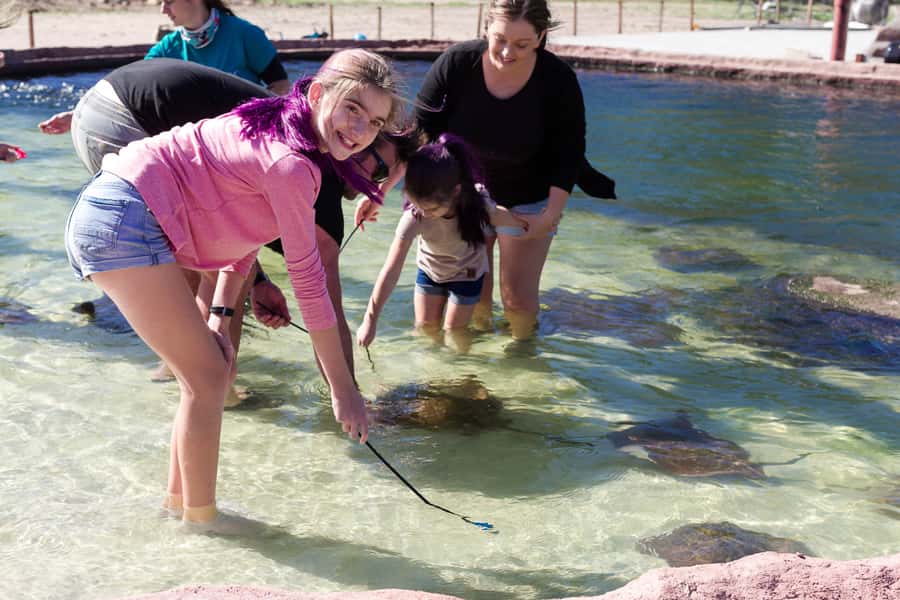
In the lagoons, you’ll be given a feeding stick and food. After that, a knowledgeable fish keeper guides you from pool to pool. Each pool has its own species group and its own small set of facts and feeding moments.
The two lagoon zones are:
- Fingill lagoon, known for lots of friendly curious rays
- Tropical lagoon, with rays plus several shark species
Fingill Lagoon: Friendly Rays That Glide Over Your Feet
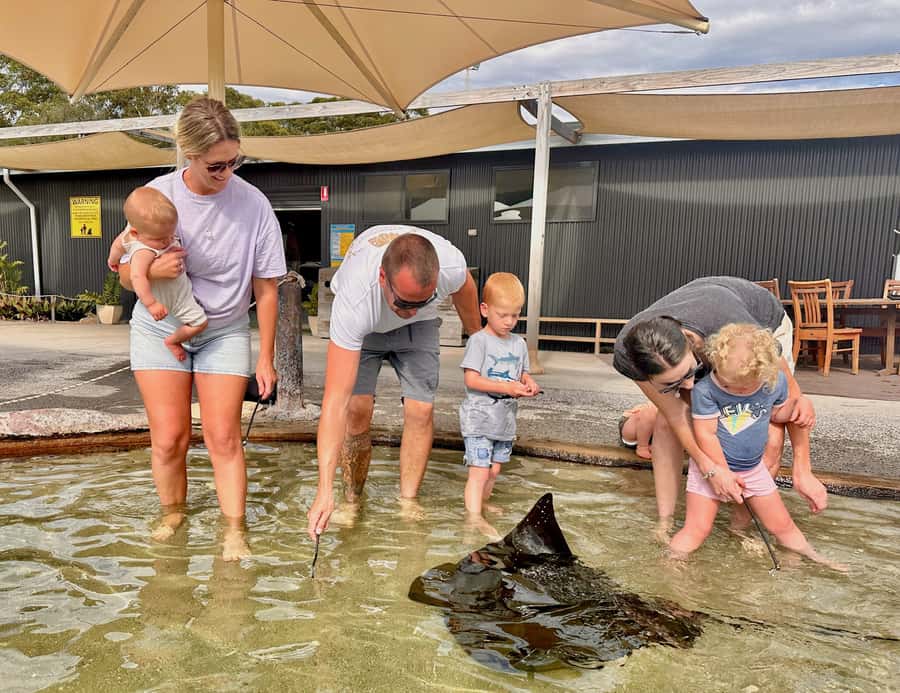
Fingill lagoon is your “eyes down, hands ready” zone. This is where you get a lot of the playful ray action, with rays gliding over your feet and snatching food from the sticks.
Because the Entry Pass focuses on shallows, you can experience close contact without being fully in the water. That suits kids who are excited but not ready for a big cold-water commitment. You can keep things comfortable by wearing clothes on top of swimwear, because that is the required setup.
One detail I think matters more than people expect: the lagoon can only be entered without shoes. So even if you’re not going deep, your comfort plan should start with what you can tolerate underfoot. Some sand and textures are part of the deal, and you’ll feel it.
You’ll also get a chance to reach down and pet the rays. The experience is designed so your “touch moment” feels natural, not forced. You’re not trying to catch them. You’re learning to move slowly and extend your hand when the keeper positions you near feeding activity.
Tropical Lagoon and the Big Shark Talk in the Shallows
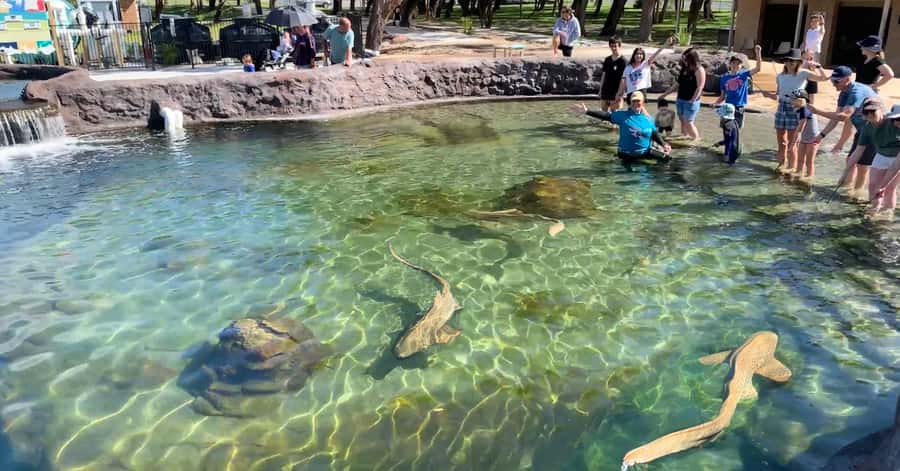
The Tropical lagoon is where the experience broadens. You’ll still see rays, but you’ll also meet shark species including zebra sharks and brown-banded bamboo sharks.
This zone is also where the educational rhythm ramps up. Keepers give talks about marine conservation and explain what you’re seeing while you’re in the shallows. You’re not just getting entertainment. You’re getting context on the animals and why they matter.
The biggest moment here is the Big Shark Talk. During it, keepers invite you into the shallows as they bring large Tawny Nurse Sharks and Whitetip Reef Sharks into the interaction area. That’s a key difference from feeding just small animals. These are bigger, more impressive sharks, and seeing them up close changes your understanding fast.
Practical tip: if you’re choosing between Entry Pass and a deeper wetsuit option, this is the part that may persuade you. More water depth can mean more comfortable positioning, especially if you want a longer “reach, feed, watch” sequence during the shark talk.
Safety Rules That Change the Mood, From Bare Feet to Wading
This experience has a clear safety framework, and it’s not just fine print. It shapes how you move, what you wear, and what you can expect in the water.
Here are the big rules you should plan around:
- Clothes must be worn on top of swimwear
- Reef-friendly sunscreen only
- Swimming is not permitted, wading only
- The lagoon can only be entered without shoes
- Keepers are always present with the animals
Wading only sounds simple until you’re standing at the edge and realizing you cannot float or swim to chase a better view. Instead, you adjust by following the keeper’s guidance and positioning yourself at feeding points.
If your group includes kids, the rules become even more important. Children under 12 must be accompanied by an adult in the water at all times. That means you should think about adult-to-child supervision before you arrive, so you’re not stuck scrambling once you’re in the lagoon.
Also note that unaccompanied minors are not allowed. If you’re traveling as a parent and want an easier hands-off experience, plan to stay involved during the water time.
What It Feels Like for Families, From Tiny Kids to Adults
Irukandji works well as a family outing because it offers two “levels” of comfort. You can go barefoot in shallows and keep the interaction focused and short. Or, with a wetsuit option, you can be in deeper water for a more complete experience.
From a family perspective, the experience is built around “stay engaged” moments:
- you hold a feeding stick
- you watch animals respond
- you get a guided explanation at each pool
That pacing is why it tends to land well across mixed-age groups. It is not only for kids who want action. Adults who prefer a structured activity also tend to enjoy the keeper-led talks and the controlled environment.
One caution: some parts of the experience involve talks that can run longer than kids expect. If you have toddlers or restless preschoolers, think about how you’ll keep them focused during explanations. A little patience helps, and the interaction time still does most of the emotional work.
If it’s cold, you’re not stuck. Wetsuit hire is offered, and it can make a big difference to comfort. Even with an Entry Pass, you should expect cool water and sand underfoot, especially outside peak weather.
Value Check and How to Plan Your Best Visit
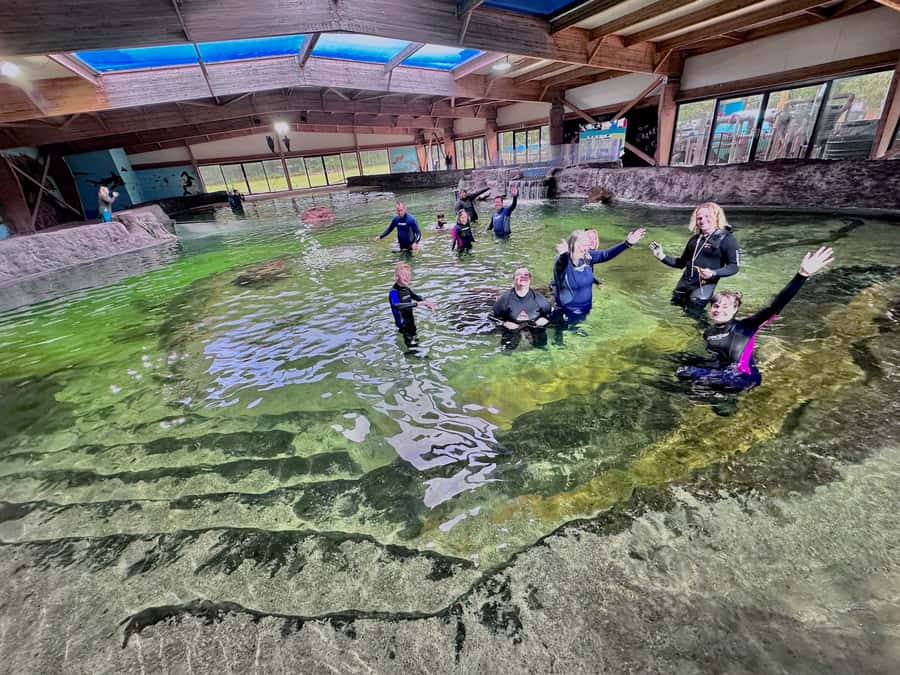
For $29, the value is strongest when you treat this as a guided wildlife interaction, not a quick photo stop. The included feeding, interaction time, and talks are what justify the ticket.
To get the most from your visit:
- Go in ready for shallow wet time, even with the Entry Pass
- Pack reef-friendly sunscreen, because it’s required
- Wear clothes that can handle getting damp and sandy
- If you get cold easily, strongly consider wetsuit hire early
Timing also matters. Arrive by 3:30 PM to experience the day fully. If you arrive late, you risk losing some of the flow between lagoon zones and the bigger talk moments.
A rinse plan matters too. After your lagoon time, you can rinse off under a warm shower and towel down. Then you’ll have time to stroll through the gift shop for sustainable gifts, fluffy toys, snacks, and cold drinks.
That end-of-trip routine is part of why the visit feels complete. You get a strong animal encounter, then a practical reset before you head back into your day around Anna Bay.
Should You Book the Irukandji Shallows Entry Pass?
Book it if you want a hands-on shark and ray experience that feels family-friendly, guided, and grounded in conservation education. The shallow water setup is a real advantage, especially if you want interaction without going fully in.
I’d choose the wetsuit option if:
- you’re visiting in cooler weather
- you or your kids get cold fast
- you want more comfort for longer interaction during shark talk moments
Skip this style of experience if:
- you hate wet sand underfoot
- your group expects swimming or free-roaming in the water
- you need a fully shoes-on facility (because the lagoon requires bare entry)
If you’re on the fence, here’s the decision shortcut: if your kids get excited by animals that respond to feeding and if you want the story behind sharks and rays, you’re going to love Irukandji. The price feels fair because the main event is interactive, not passive.
FAQ
Do I need a wetsuit for the Entry Pass?
No. With the Entry Pass, you can stay mostly dry while wading in the lagoon shallows, with your feet getting wet. There is also a wetsuit option available as an upgrade if you want to go deeper.
Is swimming allowed in the lagoons?
No. Swimming is not permitted. You can wade in the water only.
Can I wear shoes in the lagoon?
No. The lagoon can only be entered without shoes.
What kind of interaction happens at the lagoons?
You’ll be guided to feeding locations, given a feeding stick and food, and you can feed and pet sharks and rays in the shallows while fish keepers provide talks at different pools.
Are there age rules for kids?
Yes. Children under 12 must be accompanied by an adult in the water at all times. Unaccompanied minors are not allowed.
How long is the experience and when should I arrive?
The duration is listed as 2 hours. Tours run from 9 AM to 5 PM, and for the full experience you should arrive by 3:30 PM.
More Tour Reviews in Irukandji Shark Ray Encounters
Not for you? Here's more nearby things to do in Irukandji Shark Ray Encounters we have reviewed
More Port Stephens Tours
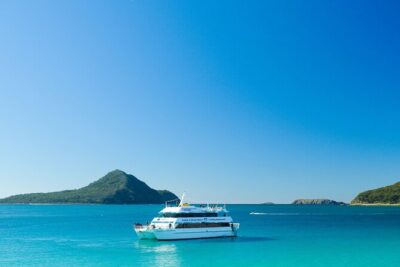 ★ 4.4Port Stephens: Dolphin Discovery CruiseFrom $28926 reviews
 ★ 4.5Port Stephens: Unlimited Sandboarding & 4WD Sand Dune TourFrom $30540 reviews
★ 4.5Port Stephens: Dolphin Discovery CruiseFrom $32401 reviews
★ 4.5Port Stephens: Unlimited Sandboarding & 4WD Sand Dune TourFrom $30540 reviews
★ 4.5Port Stephens: Dolphin Discovery CruiseFrom $32401 reviews
 ★ 4.5Port Stephens Dolphin Cruise & Sandboarding Day TripFrom $145219 reviews
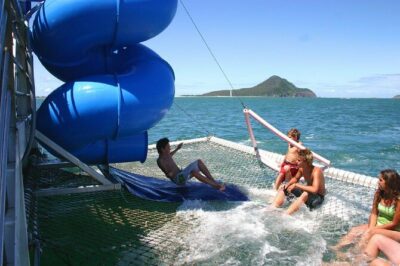 ★ 5.0From Sydney: Port Stephens Dolphin, Koalas, Lunch & SandboardingFrom $142211 reviews
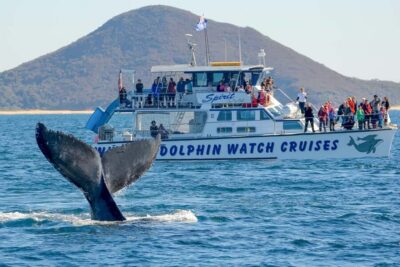 ★ 4.6Port Stephens: 2.5-Hour Whale Watching & Outer Island CruiseFrom $53156 reviews
 ★ 4.7Port Stephens: Unlimited Sandboarding with 4WD Dune TransferFrom $28155 reviews
 ★ 5.0Port Stephens 4WD Beach Sand Dune AdventureFrom $39113 reviews
Explore related Sydney days