
REVIEW · BLUE MOUNTAINS TOURS
Blue Mountains: Stargazing with a Telescope and Astronomer
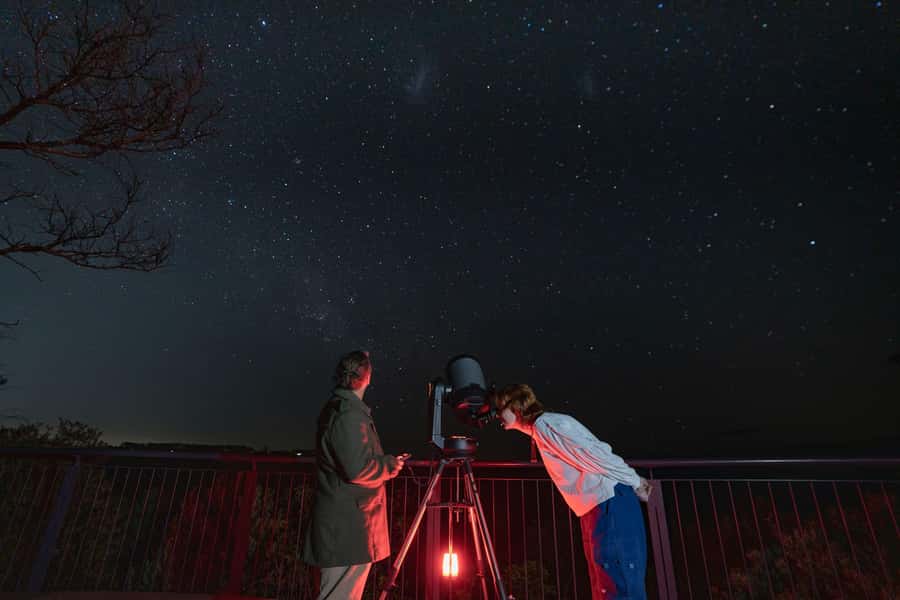
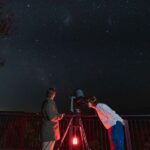
Saturn up close beats any app. On this Blue Mountains night tour, you use a computerized telescope with an astronomer while the sky above Wentworth Falls does its quiet show. I like that you get both the big wow moments and the practical how-to, so the stars start feeling like friends instead of dots.
I also really value the naked-eye astronomy time, where you learn how to identify constellations without needing equipment in your hands. The main drawback is that clouds can cut down what you can see, and while you can reschedule or switch to the Leura planetarium, there is strictly no refund for weather cancellations.
Key things I’d plan around
- Saturn rings and other targets are real telescope moments, not just a sky lecture
- You learn star and constellation spotting tricks before the big views
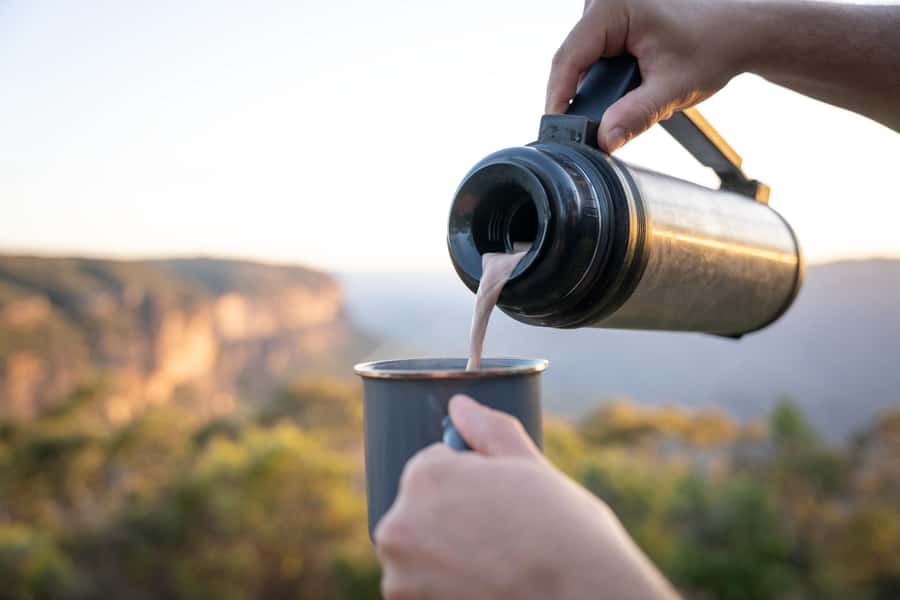
- Hot chocolate and winter blankets make a short, chilly night feel comfortable
- Crowd dynamics can affect telescope time, so expect a share-a-scope setup
- Weather is handled with a Leura indoor option, but set your expectations for the sky
Why Wentworth Falls Makes an Easy Stargazing Stop
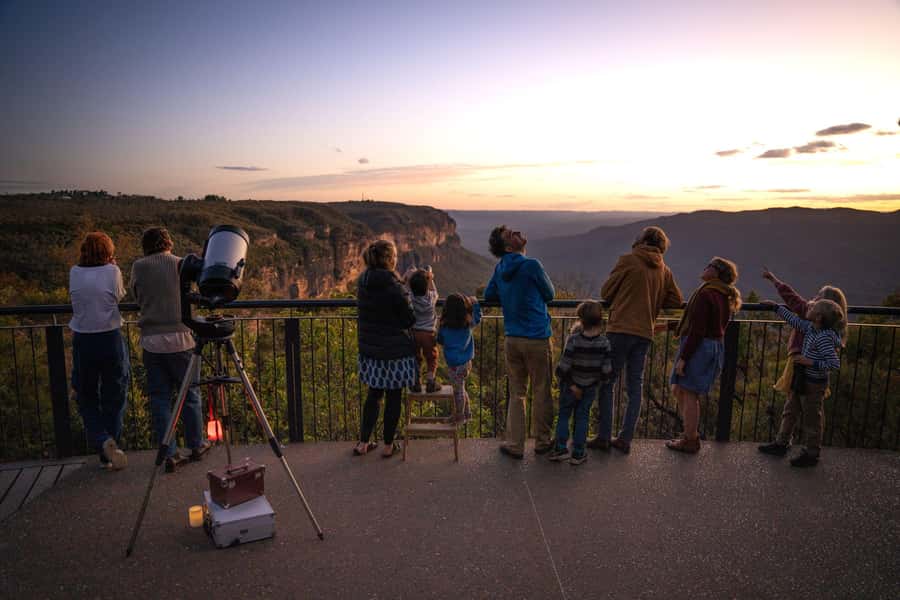
Wentworth Falls is a practical choice because it’s close to town bases like Katoomba, yet it still feels removed once you’re at the lookout. The meeting point is at the Wentworth Falls Picnic area, at the Wentworth Falls Lookout, and it is a second lookout after Jamison Lookout. That matters because you can plan a simple pre-dinner drive, then walk a short distance to settle in.
The walk from the carpark is about 5 minutes, which sounds small until you add winter coats and late-night footing. If you arrive early, you’ll have time to get your spot, get warm, and focus on the sky when the session starts.
One more practical thing: transportation is not included. If you do not have a rental car, it helps to line up a ride in advance, since you will be ending in the same area where you started.
You can also read our reviews of more tours and experiences in Wentworth Falls.
What Happens During the 90 Minutes, Step by Step
This is a tight, focused 90-minute tour, and it works best if you treat it like a small class plus a live viewing session. You meet your guide at the Wentworth Falls Picnic area, then you start with an introduction to the Blue Mountains, including history through time. After that, the astronomer shifts to the night sky, with stories about constellations to help you build a mental map.
Next comes the hands-on part: you try naked-eye astronomy. You’ll get tips and tricks for identifying stars and constellations with your eyes, which is the key to enjoying the sky even when the telescope is waiting for better conditions. Then you move into a planet-and-satellite overview, so you know what you are likely to notice as the night progresses.
Once the guide starts selecting targets, you look through a computerized telescope at objects that fit the conditions. The session is built around what is visible that night, so the “what you’ll see” can shift depending on cloud cover and clarity. Throughout the viewing, you can ask questions, and you do not feel like you are just being talked at.
The tour wraps with comfort and downtime, including hot chocolate. In winter, the blankets help a lot, and the session rhythm is nice because you are not stuck shivering while waiting for each target.
Telescope Viewing Targets You Can Actually Picture
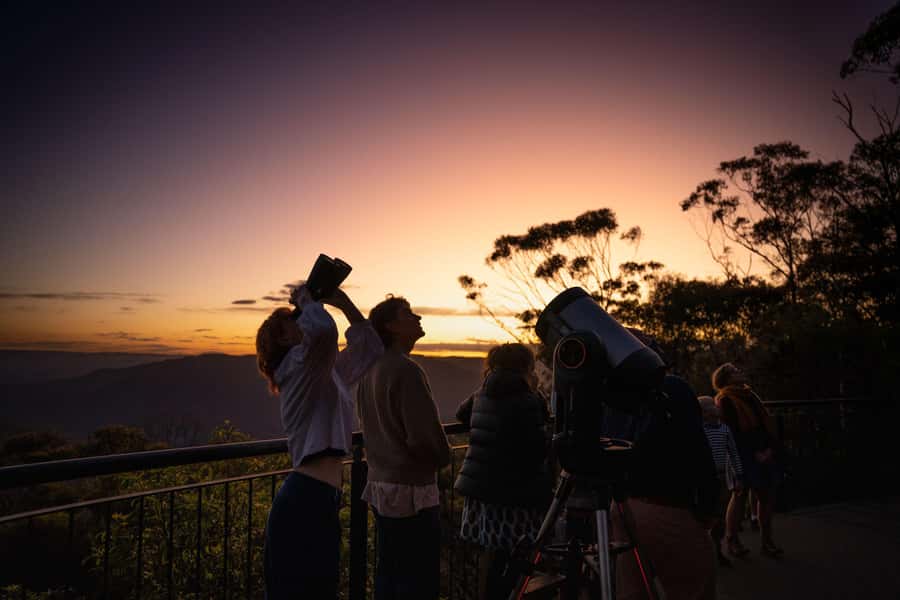
The highlight of the tour is real telescope time, with a guide helping you connect what you see to what it means. Some nights you will focus on brighter, easier targets first, and on clearer nights you can reach for more detail.
The Moon is often a prime target, and you are looking for features like craters and the darker maria, described as seas. This is a great “starter” object because it immediately teaches you how distance and scale translate into what you see in a telescope view.
Saturn is the star of many sessions, and the reason is simple: Saturn’s rings can be visible depending on conditions. If you want one thing to plan your whole night around, make it Saturn, because it is repeatedly described as the moment people remember.
You might also see Jupiter, including its moons. The tour can also include classic planets like Mars and Venus when visibility supports it, plus the Orion Nebula and star clusters. Double and triple stars are on the list too, which is a fun category because the guide can show you how multiple stars can look like a “single point” until you use the right magnification.
The sky can also offer quick surprises like shooting stars, and the tour may cover deep space objects such as galaxies. Just keep in mind that these are condition-dependent, so clear skies help, but the guide still aims to give you meaningful views when the night is imperfect.
How the Naked-Eye Constellations Make the Rest of the Night Click
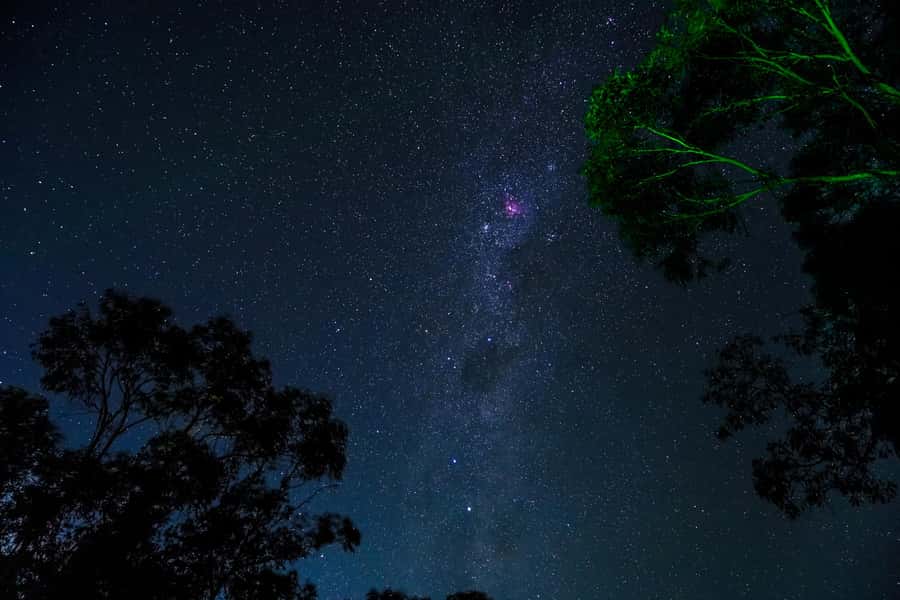
I love when a stargazing tour teaches you what you can do without a telescope, because that turns one night into a skill you can use anywhere. On this tour, you get that start right away with constellation identification tips. You learn how to pick out reference points in the sky, then how to interpret what you are seeing in relation to familiar shapes.
The astronomer also explains why stars look different colors, which is one of those small lessons that makes a big difference. Once you understand that the tint is tied to temperature and atmosphere effects, you stop thinking of “blue dots versus white dots” and start seeing patterns with meaning.
Another helpful piece is the explanation of planets and satellites. It is easy to spot something that moves across the sky and wonder what it is, but this tour is designed to help you understand the basics of what you are tracking. That is why you are not only watching, you are building a simple model of the night sky in your head.
And yes, the stories about constellations help you remember what you learned. When the guide names a pattern and connects it to a target you will look for later, you feel like the telescope session has a purpose beyond the view itself.
Weather, Rescheduling, and the Leura Planetarium Backup
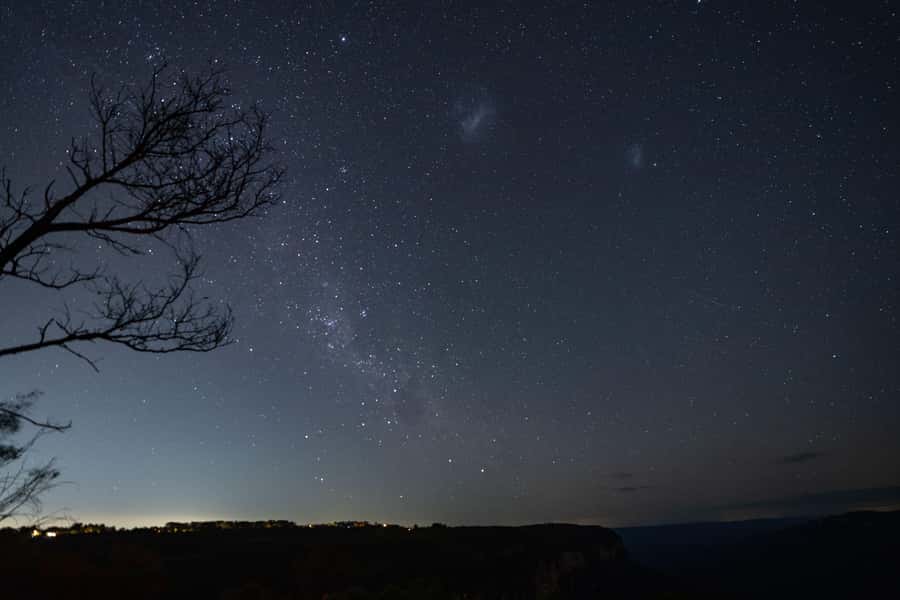
The Blue Mountains are gorgeous, but they can also be stubborn about cloud cover. If skies look overcast, you get an email by 1:00 pm on the day of the tour, so you can make a decision based on what Mother Nature is doing.
If weather cancels your outdoor session, you can choose between a voucher to reschedule, or attending an alternative 90-minute indoor astronomy tour in Leura. The indoor option is run inside a dome with an astrophysicist and a powerful projector, which means you still get the astronomy experience even when the sky is not cooperating.
One important detail to plan around: there is strictly no refund issued for cancellations due to bad weather. If you are the type who wants “pay and forget,” this is a key point to understand before you book.
To reduce stress, I recommend booking with realistic flexibility and aiming to have warm layers ready either way. If you are traveling from far away and only have a tiny window, it is smart to plan for multiple nights in the area if possible, so you are not stuck relying on one perfect sky.
Comfort and Hygiene Details That Make Winter Nights Work
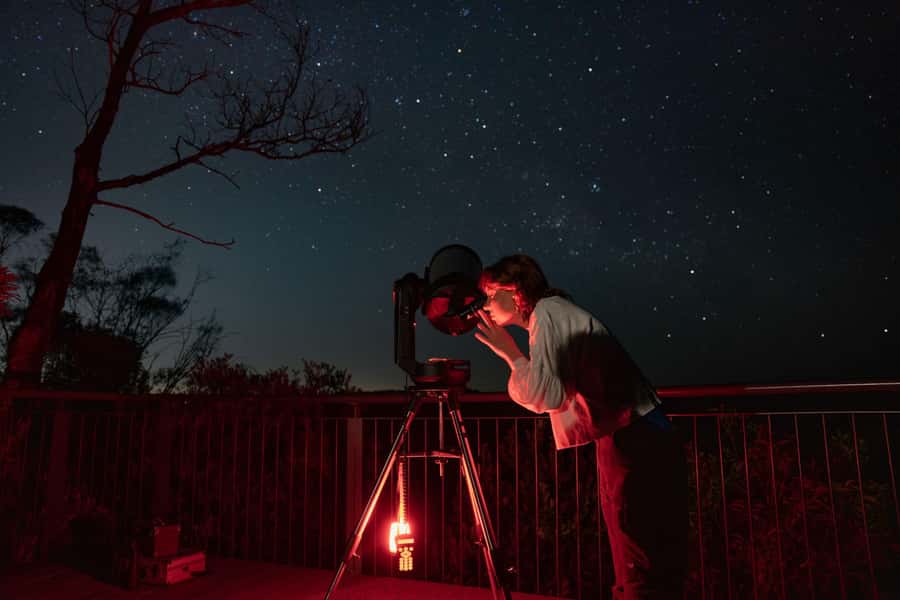
This is an evening tour in a cooler season, and the company has built comfort into the plan. You get blankets in winter, and hot chocolate is served to keep you warm while you listen and watch.
The hot chocolate is served with dairy-free, nut-free, and soy-free Barista Oat milk. That is a thoughtful inclusion if you have common dietary restrictions, and it means you are less likely to arrive needing to find a separate snack somewhere nearby.
The equipment is also handled with hygiene in mind. The telescope and binoculars are regularly sanitized between use, so you can feel more comfortable during a shared experience.
You should still do your part. Bring warm clothing, since the experience runs outdoors and you will likely be waiting between telescope views. If you hate cold hands, consider bringing gloves too, since you will want to adjust gear and sometimes look at your notes or phone screen for sky maps.
Accessibility is supported too. The tour is wheelchair accessible, and the meeting area is designed for easy arrival from the carpark and picnic space.
Price and Value: Is $65 Worth One Night of Stargazing?
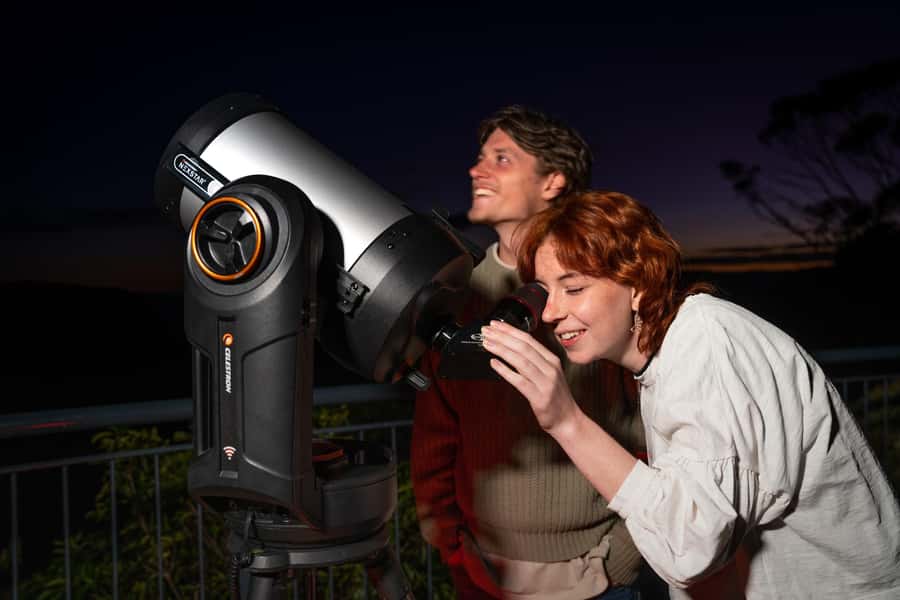
At $65 per person for 90 minutes, you are paying for more than “a look through a telescope.” This cost includes an astronomer guide, a computerized telescope, binoculars, blankets in winter, hot chocolate, and Blue Mountains National Park fees.
That combination is what makes the price feel fair. If you have ever tried to plan stargazing solo, you know the real costs are not just the gear, it is the know-how and the timing. Here, your guide helps you pick targets, explain what you are seeing, and teach you how to spot constellations yourself.
The telescope time is also a big part of the value. Many stargazing experiences rely heavily on narration, but this one is structured around actual viewing of objects like Saturn, the Moon, and other deep-sky targets depending on conditions. When that works well, it feels like you are buying a guided experience with an instrument, not just buying access to a dark spot.
Crowd size can affect the vibe. One downside to consider is that there can be more people than you might expect for the telescope setup, so your viewing time might involve waiting your turn or sharing the moment rather than getting private access.
If you go in with the right expectations, the price matches what you receive: a guided astronomy lesson plus a hands-on telescope session in a World Heritage area.
Who Should Book This Tour, and Who Might Skip It
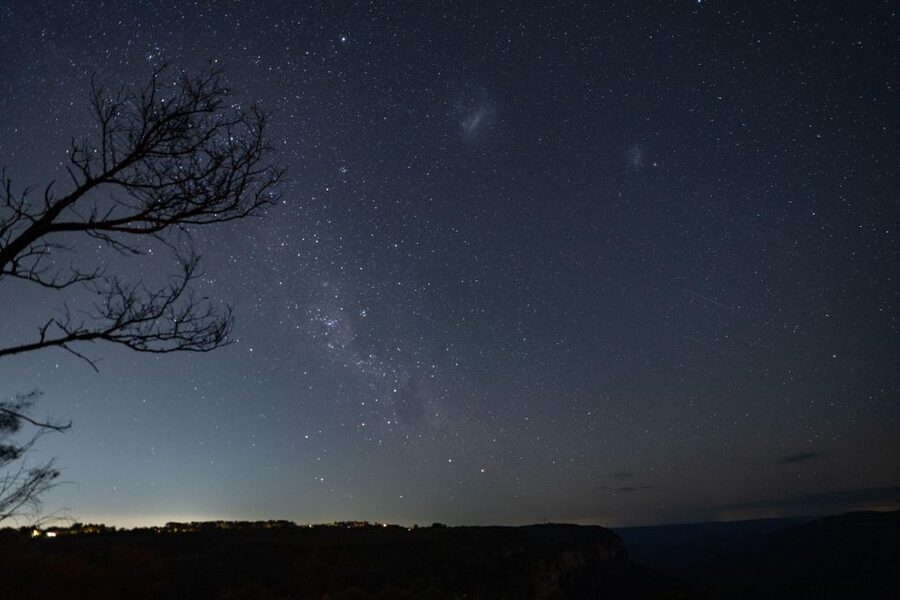
This tour is a great fit if you want to understand the night sky and not just stare at it. If you enjoy learning why things look the way they do, like star colors, and you like the idea of matching constellations to telescope targets, you will likely enjoy the structure.
It also works well for couples, solo travelers, and small groups who want a simple night plan. You do not need to bring your own binoculars or figure out what to look for, since you will get both identification tips and telescope guidance.
It is not suitable for children under 6. If you are traveling with younger kids, you will need a different option. The tour is wheelchair accessible, but you should still plan for a chilly outdoor experience.
If you absolutely need guaranteed clear skies, this might frustrate you. The tour does a good job with the indoor Leura backup, but the weather reality stays real. That said, the guide’s goal is still to make the night meaningful, even when visibility is reduced.
Should You Book This Blue Mountains Stargazing Tour?
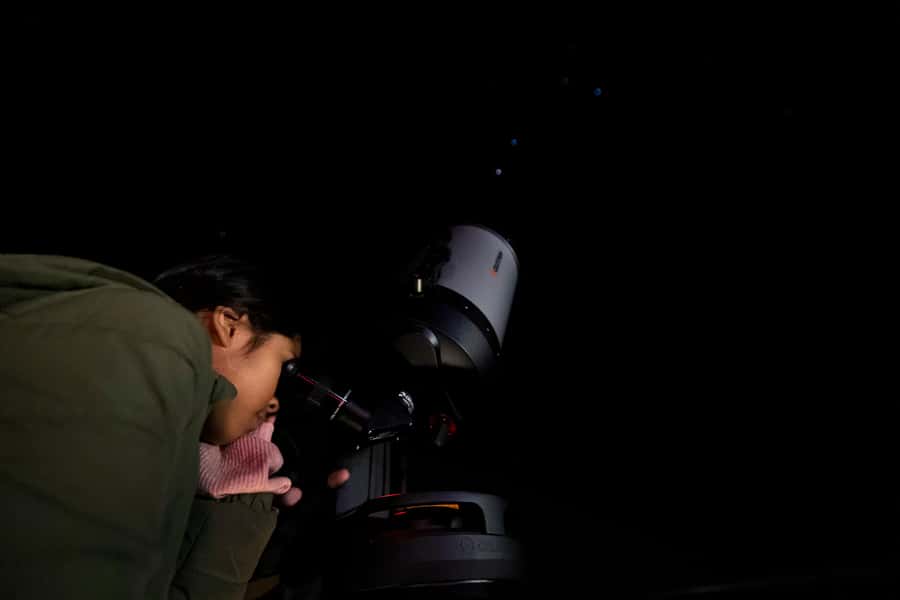
I would book it if your priority is a guided telescope experience in the Blue Mountains, paired with practical sky spotting tips. The repeated emphasis on Saturn views, plus the guide-led explanations, is exactly the kind of combo that makes stargazing feel rewarding instead of random.
Book it with the weather plan in mind. If clouds roll in, you may switch to the Leura planetarium dome experience, and the indoor option is designed to keep your astronomy night on track. Also remember the strict no-refund rule for weather cancellations, so plan with flexibility.
Finally, think about transport. Since transportation is not included, arrange your ride ahead of time, and if you are in the area for a few nights, it can be smart to spread your plans so you are not relying on one single evening.
If that sounds like you, then this is a solid, value-rich way to spend 90 minutes under Greater Blue Mountains skies, learning constellations and seeing planets and nebulae with a real astronomer in your corner.
FAQ
How long is the Blue Mountains stargazing tour?
The tour lasts 90 minutes.
What is included in the ticket price?
The ticket includes a 90-minute stargazing tour, an astronomer guide, a computerized telescope, binoculars, blankets in winter, and Blue Mountains National Park fees.
Where do I meet the guide?
Meet your Blue Mountains Stargazing guide at the Wentworth Falls Picnic area at Wentworth Falls lookout, which is a 10-minute drive from Katoomba and about a 5-minute walk from the carpark.
Is transportation included?
No, transportation is not included.
What happens if the weather is cloudy or poor?
If skies are overcast, you will receive an email by 1:00 pm on the day of the tour. If the outdoor tour is cancelled due to poor weather, you can choose a voucher to reschedule or attend an alternative 90-minute indoor planetarium astronomy tour in Leura. There is strictly no refund issued in the event of cancellation due to bad weather.
Is the tour suitable for children?
No, the tour is not suitable for children under 6. It is wheelchair accessible.
More Tour Reviews in Wentworth Falls
Not for you? Here's more nearby things to do in Wentworth Falls we have reviewed
More Blue Mountains Tours
 ★ 5.0All Inclusive Blue Mountain,Scenic World,Lunch,Koalas,ferryFrom $2047,832 reviews
 ★ 4.5From Sydney: Blue Mountains Full-Day TripFrom $1484,471 reviews
 ★ 5.0Blue Mountains Small-Group Tour from Sydney with Scenic World,Sydney Zoo & FerryFrom $1613,709 reviews
 ★ 4.8Blue Mountain: Small-Group Tour with Lunch & Scenic WorldFrom $1373,009 reviews
 ★ 4.5Blue Mountains Day Trip from Sydney Including Scenic WorldFrom $1502,420 reviews
 ★ 4.8From Sydney: Blue Mountains Tour with Waterfall Walk & LunchFrom $852,400 reviews
 ★ 4.7Blue Mountains Adventure: Scenic World, Zoo & Koala PhotoFrom $1442,062 reviews
 ★ 4.5Blue Mountains Day Tour Including Parramatta River CruiseFrom $681,585 reviews
Explore related Sydney days