
REVIEW · WILDLIFE
From Sydney: Australian Wildlife Safari with Lunch & Dinner
One afternoon can change how you see Australia. This small-group Sydney wildlife safari heads into the Southern Highlands for day sightings, then comes alive at night with red spotlights, and my favorite part was learning the tracking tricks with Emma as our guide. You get a real feel for how wildlife shows up when you slow down and look closely.
I love that you’re not just driving past animals, you’re given time to watch birds, kangaroos, and wallabies in their own spaces, then search for nocturnal marsupials after dusk. The main thing to keep in mind is the walking, you should be able to handle about 1 km at a time on sometimes steep, rough, and slippery trails and river banks.
Key highlights you should care about
- Small group of up to 8 people, so your guide can focus on sightings and questions
- Day and night wildlife searching, including spotlighting for wombats and possums
- Wildlife tracking coaching, so you’re not guessing where to look
- Historic pub dinner plus a simple gourmet lunch, included in the price
- Binoculars, handheld spotlights, and reference guides provided, so you travel light
From Circular Quay To the Southern Highlands: The Wildlife Hunt Starts Early
The meeting point is convenient if you’re staying central: out the front of the Sydney Harbour Marriott Hotel at Circular Quay, 30 Pitt St. It’s a short walk from the Circular Quay rail and bus area and also easy if you arrive by ferry.
From there, you’re in a comfortable air-conditioned vehicle headed to the Southern Highlands, with about 90 minutes of travel to get you into better habitat. This timing matters because wildlife activity follows a rhythm. In the morning and afternoon, birds and wallabies tend to be out and moving, while late afternoon and evening bring out larger grazers, and the night search is when marsupials can be your main attraction.
Once you’re on the move, you’re not just sightseeing from a window. Your guide talks about what you’re likely to encounter and, just as important, how to spot the evidence wildlife leaves behind. That puts you in a better position than people who rely on luck alone.
More Sydney harbour days, city walks, coastal outings, and regional escapes worth considering
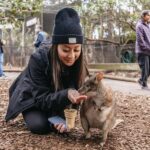
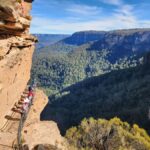
Daylight Tracking, Birds, and Conservation Lessons That Actually Help You Spot Wildlife
After you arrive, you start with a light lunch: gourmet wraps, plus juice and water. This is a nice setup because it keeps the day relaxed. You’re fueled, not stuffed, which helps when you’ll be walking on uneven ground later.
Then comes the part that turns the whole experience from a car ride into a skill. You learn about local conservation projects and the art of wildlife tracking. The goal is simple: wildlife doesn’t line up neatly for photos. Instead, you look for signs, you read the terrain, and you learn how animals use the area.
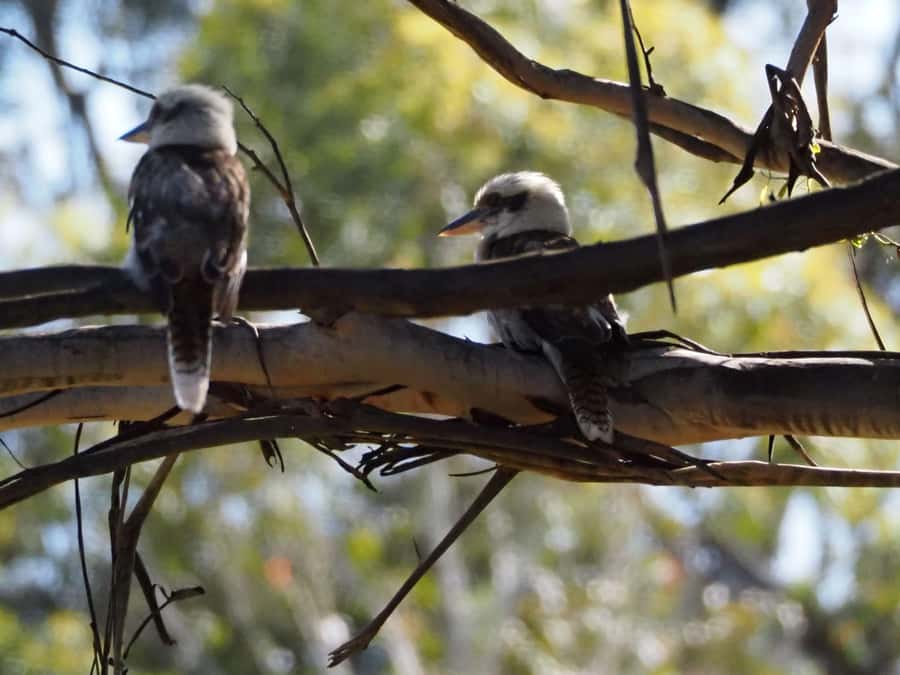
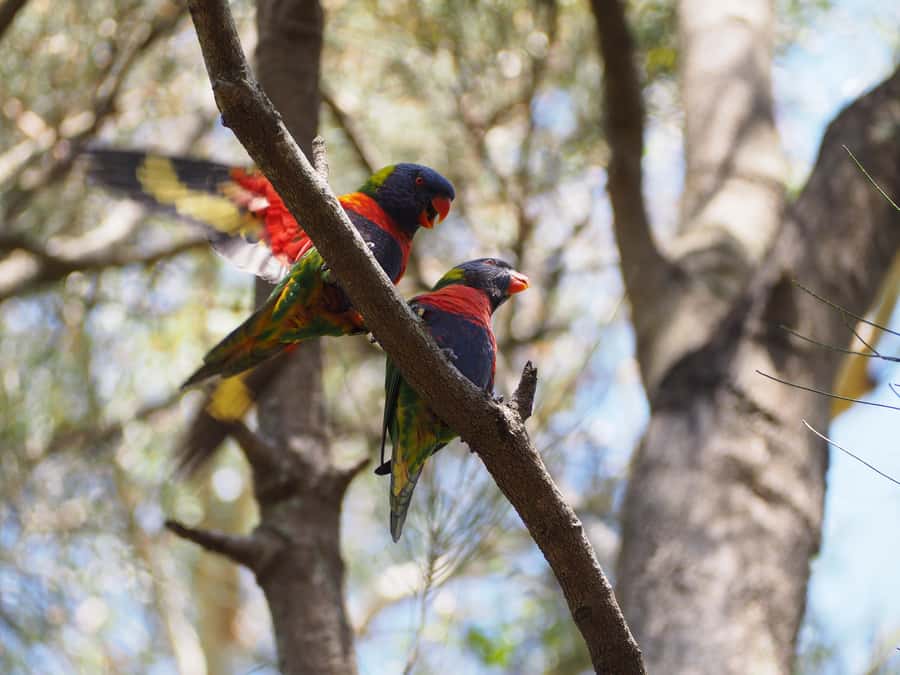
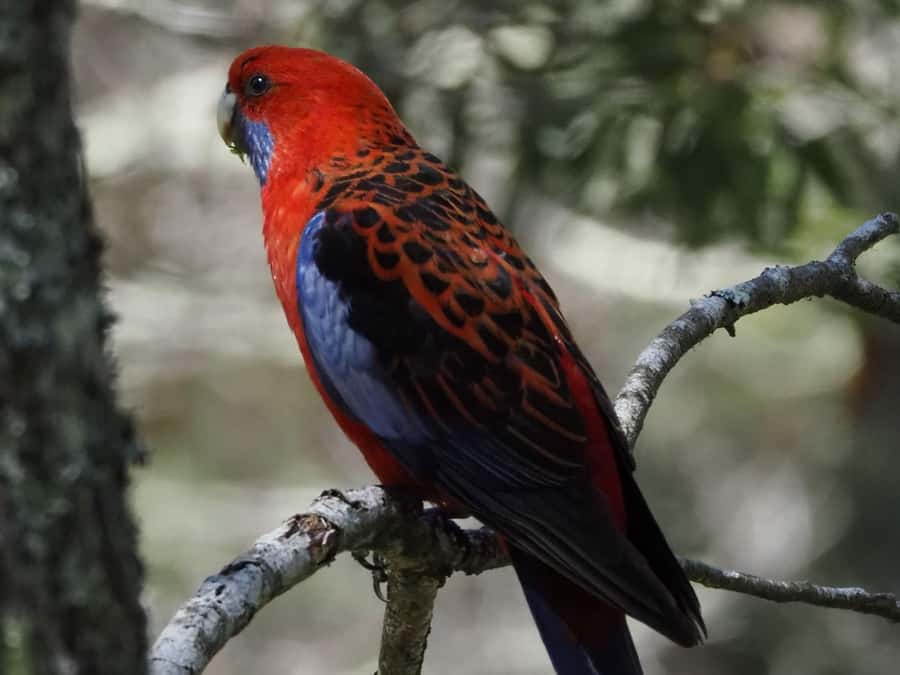
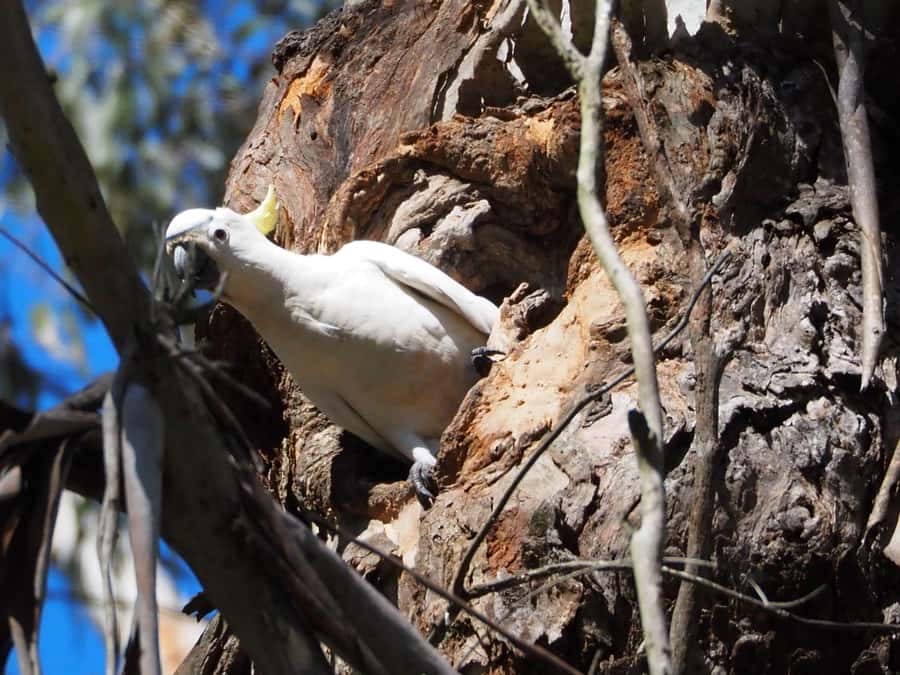
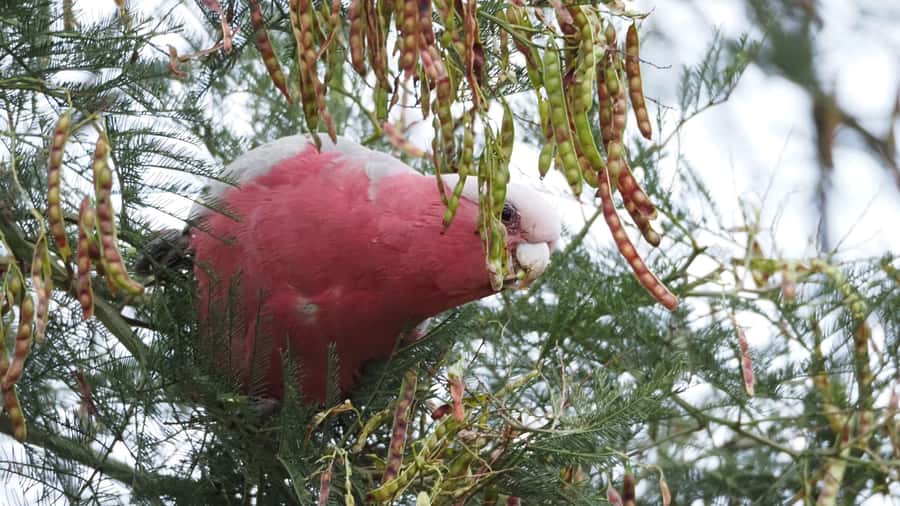
In the afternoon, your walk shifts into open country and bushland where birdlife is active. This is where the sounds and colors hit first. Expect the laughter of kookaburras, and keep your eyes up for flashes of reds and yellows from rosellas and movement from cockatoos. Birds also give you clues. If the area is busy with birds, it often means there’s food nearby, and that same food chain can attract other animals later.
You’ll also be scanning the ground and edges of brush for bigger movement. Emus can appear in the open, and wallabies can slip through undergrowth quickly. Watching for stillness is key. Sometimes the animal is there, it’s just frozen and blending in with the landscape.
Practical tip: bring your binoculars up early. The more you use them during bird hour, the more likely you are to pick up the smaller shapes that make the rest of the day click.
Kangaroos, Wallabies, and the Platypus Question at Golden Hour
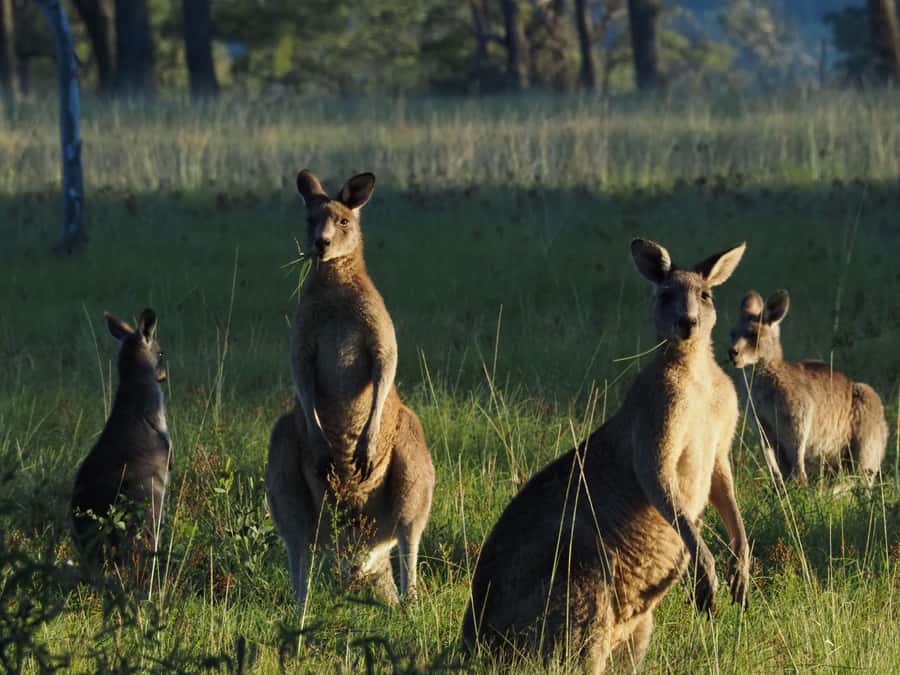
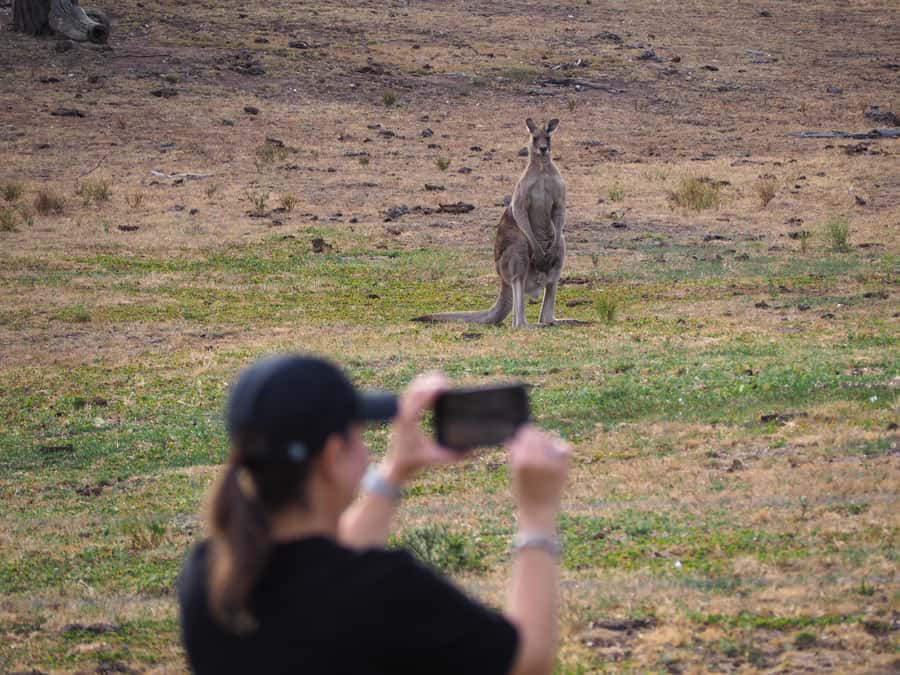
Late afternoon is your classic Australian wildlife window. This is when you start seeing kangaroos grazing and wallabies darting through the undergrowth. The best moments often come when you stop chasing a distant shape and instead watch how the animals use space. Grazers tend to move slowly between feeding spots, while wallabies show up as quick bursts of motion along the edges.
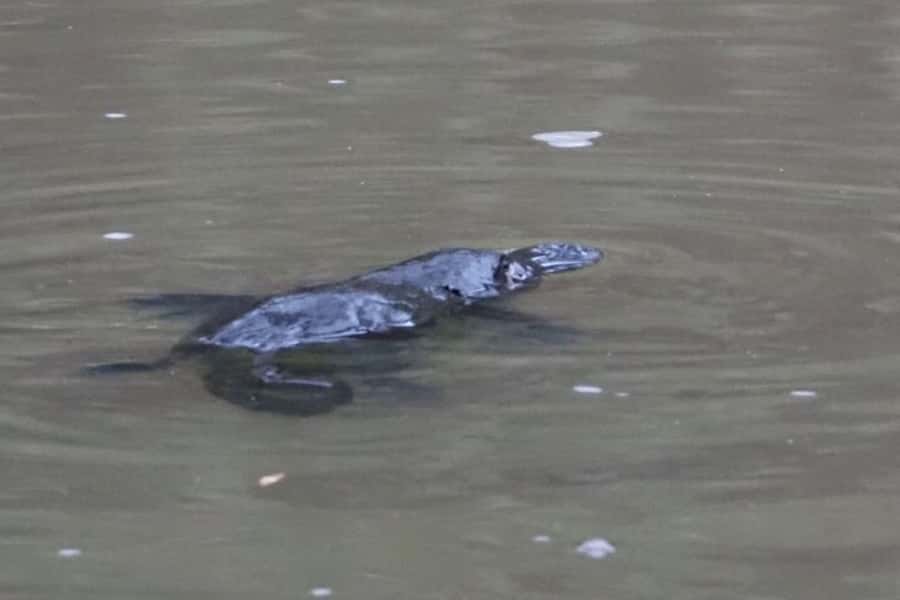
You also learn the patience side of wildlife spotting. The elusive platypus is possible, and the best chance described for this experience is when they’re feeding in still waters. That means you’re not guaranteed a sighting, but you are guided to the right kind of water and you get the benefit of the guide’s knowledge about where animals may show up.
The platypus hunt changes your behavior. You settle in, keep movements small, and focus on subtle signs on the water surface. If you’re serious about photos, this is when a steady posture beats a frantic camera swing. Even without a perfect shot, you’re gaining a deeper experience, because you’re watching wildlife on its terms.
If you do spot platypus, it tends to be the kind of moment you remember for years. Not because it’s rare in general, but because the experience teaches you how hard it is and how worth it that is.
Dinner at a Historic Country Pub, Then the Night Moves With Red Spotlights
As dusk settles, the day turns into something warmer and easier: dinner at a historic country pub. You’ll have a hearty country-style meal, and a drink from the bar is included. This is a smart break. After hours of scanning and walking, you want a place to reset and recharge before the night search.
What I like about this structure is the pacing. You’re not starving during the spotlight portion, and you’re not stuffed either. That makes it easier to stay alert when you head back out.
Then you get ready for the night with the tools that make a huge difference. You have handheld spotlights and binoculars, plus wildlife reference guides. The spotlights are specifically used at night, and the approach is about seeing without blasting the habitat with harsh white light. You’re searching for nocturnal marsupials like wombats and possum activity, and the group heads out under the stars for a more focused look.
Your guide also helps you understand what you’re seeing. That’s important at night because a quick glimpse can look like nothing if you don’t know what it should look like.
What You Can Expect After Dark: Wombats, Possums, and Feathertail Gliders
Night wildlife spotting is a different game. The animals you’re hunting are active in the dark, and your job is to stay calm, watch carefully, and let the habitat come to you.
Expect the possibility of wombats ambling across moonlit clearings. These can be surprisingly bold once you’ve stopped moving and you’re quiet enough to let the area settle. You might also spot possum activity in treetops, where movement is smaller and more subtle than daytime birds. Glancing up and scanning in slow patterns helps.
There’s also a chance for tiny feathertail gliders. Gliders can be challenging because they’re small, and the time frame for a sighting can be quick. Again, this is where the guide’s tracking and observation skills matter. If the habitat is right and you’re placed well, the odds improve.
The experience ends with the return to Sydney under the stars, giving you time to shift from wildlife mode back into travel mode. If you like the outdoors, this is the point where the day feels complete, because you experienced both sides of the day cycle instead of only one.
More Sydney harbour days, city walks, coastal outings, and regional escapes worth considering






Price and Value: Why $300 Makes Sense for What’s Included
At $300 per person, this is not a budget impulse buy. But the value adds up when you consider what’s included and what it costs to run an operation like this properly.
You get:
- Comfortable air-conditioned transport from Sydney to the Southern Highlands and back
- A friendly live guide who helps with wildlife spotting and tracking
- Binoculars, handheld spotlights, and wildlife reference guides
- Lunch of gourmet wraps, juice, and water
- A pub dinner plus a drink from the bar
Those items matter because they lower your prep and reduce the chance you arrive with the wrong gear. Spotlights and binoculars are the kind of equipment that makes night spotting more realistic, not just more fun in theory.
Also, the small group size, capped at 8 participants, is part of the value. It’s easier for a guide to place you, teach you where to look, and keep the group moving safely on uneven ground.
Who This Safari Fits Best (And Who Might Want to Skip)
This tour is a great match for you if you:
- Want a day-to-night wildlife experience without needing to plan routes or equipment
- Enjoy nature learning, especially tracking skills and conservation context
- Like the challenge of spotting animals in the wild, including species that are not guaranteed
It’s not a good match if your body needs a smoother day. You should be prepared to walk about 1 km at a time, including steep, rough, and sometimes slippery trails and river banks. That’s manageable for many adults, but it’s not a stroll.
It also isn’t suitable for children under 12. And if you plan to drink during dinner, remember the minimum age is 18, with photo ID possibly requested.
One more practical point: you’ll get the best experience by checking the weather forecast for the Southern Highlands on the day you go. Conditions can change how the ground feels and how wildlife behaves.
How to Prepare for Better Wildlife Sightings and More Comfort
You can’t control the animals, but you can control how comfortable you are while waiting. Come ready.
Bring:
- A hat and sunscreen
- Insect repellent
- Comfortable clothes and closed-toe shoes
- A reusable water bottle
And wear layers if the day feels warm but the evening cools down. Night spotting can feel colder, and your comfort affects your patience. You’re out there for a reason, and wildlife watching is easier when you’re not distracted by discomfort.
If photography matters to you, plan for long pauses. Many of the best moments happen when you stop trying to force action and instead let the animal behavior arrive naturally.
Should You Book This Wildlife Safari from Sydney?
If you want one day in Australia that mixes real wildlife time with guided learning, this is an excellent choice. The combination of Southern Highlands wildlife in daylight, the historic pub dinner, and then the red spotlight search for nocturnal marsupials is a strong blend. Plus, the small group limit of 8 makes it feel like a real experience, not a crowd shuffle.
I’d book it if you’re comfortable with moderate walking on uneven terrain and you’re excited by the possibility, not the promise, of seeing elusive animals like platypus and small gliders. It’s for people who enjoy nature as a slow skill, where watching closely pays off.
If you want, tell me your travel dates and whether you’re aiming for platypus specifically. I can help you decide if the timing and your comfort level match what this day is built to deliver.
FAQ
Where is the meeting point for the Sydney wildlife safari?
Meet out the front of the Sydney Harbour Marriott Hotel at Circular Quay, 30 Pitt St, Sydney. It is a short walk from the Circular Quay light rail stop, train station, bus stops, and ferry wharves.
How long does the tour last?
The experience runs for 10 hours.
How many people are in the group?
This is a small-group tour capped at 8 participants.
What animals might I see during the day and at night?
In daylight, you may see kangaroos, wallabies, emu, and many birds such as kookaburras, rosellas, and cockatoos. At night, the spotlight search targets nocturnal marsupials, including wombats and possums, and there is a chance of feathertail gliders. Platypus sightings are possible if you’re lucky, during still water feeding times.
What meals are included?
You get a light lunch of gourmet wraps, juice, and water. You also get a hearty dinner at a historic country pub, with a drink from the bar included.
What should I bring?
Bring a hat, sunscreen, comfortable clothes, insect repellent, closed-toe shoes, and a reusable water bottle.
Is this tour suitable for kids and can I drink alcohol?
It is not suitable for children under 12. The minimum age to consume alcohol is 18, and photo ID may be requested.
More Dinner Experiences in Sydney
More Lunch Experiences in Sydney

More Tour Reviews in Sydney
- Blue Mountains Small-Group Tour from Sydney with Scenic World,Sydney Zoo & Ferry
★ 5.0 · 3,709 reviews

Not for you? Here's more nearby things to do in Sydney we have reviewed






More Wildlife
 ★ 5.0Blue Mountains: Three Sisters, Scenic World and Wildlife parkFrom $1821,481 reviews
 ★ 4.5Exclusive Blue Mountains Wildlife and Bushwalk Tour From SydneyFrom $1351,087 reviews
 ★ 4.5Small Group Blue Mountains, Wildlife & Scenic World Day TourFrom $147932 reviews
 ★ 4.7Blue Mountains Sunset Waterfalls Wildlife Tour From SydneyFrom $102897 reviews
 ★ 4.6Blue Mountains Wildlife & Bushwalk Small-Group TourFrom $133822 reviews
 ★ 5.0Luxury Hunter Valley Wildlife & Wine Tasting Tour from SydneyFrom $89652 reviews
 ★ 5.0Wildlife, Waterfalls and Wine Day Tour from SydneyFrom $268541 reviews
 ★ 4.8#1 Blue Mountains Tour Scenic World Waterfalls Wildlife ParkFrom $161445 reviews
Explore related Sydney days