
REVIEW · THE ROCKS TOURS
Sydney Origin Story Walk in The Rocks
The Rocks hits different when someone narrates it like drama. This Sydney origin-story walk uses storytelling to bring convict-era corners to life, and you also get native tastings like wattleseed ANZAC cookies and lemon myrtle tea. One thing to consider is that it depends on good weather, so if you hate being outside or you want a low-walking, low-smile experience, this may not match your style.
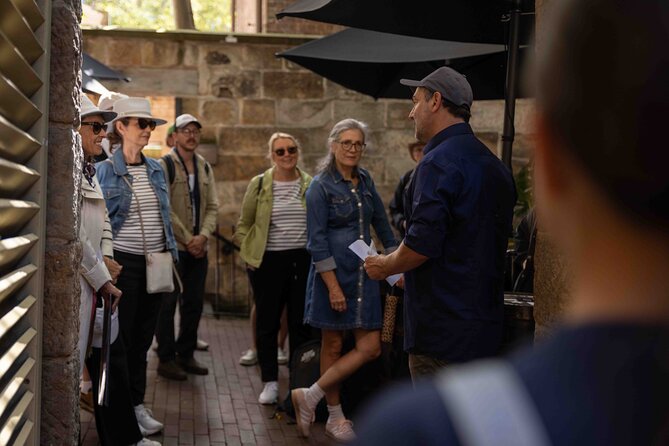
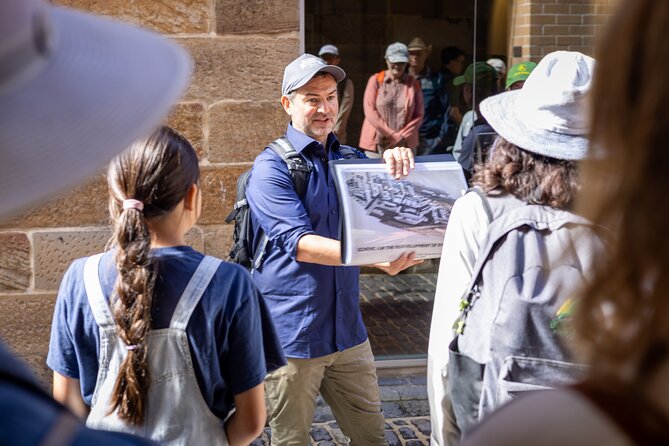
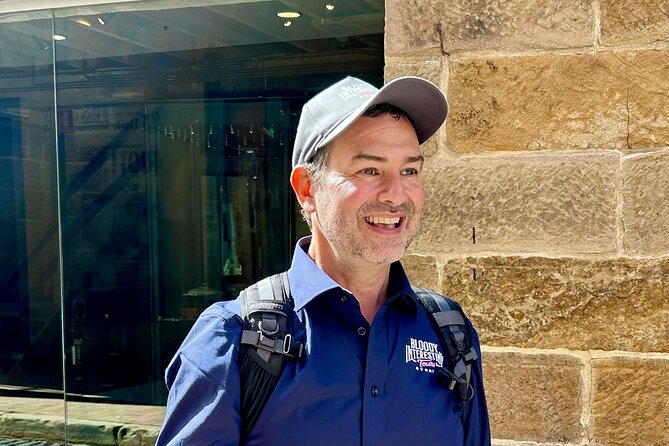
Led by Ed, a professional guide and former TV director, the pace feels manageable and the group stays small, with a maximum of 10 people. You start at 107 George St in The Rocks around 9:30 am, then spend about 2 hours 30 minutes moving through the kind of places you usually walk past without noticing the stories attached.
Key takeaways before you go
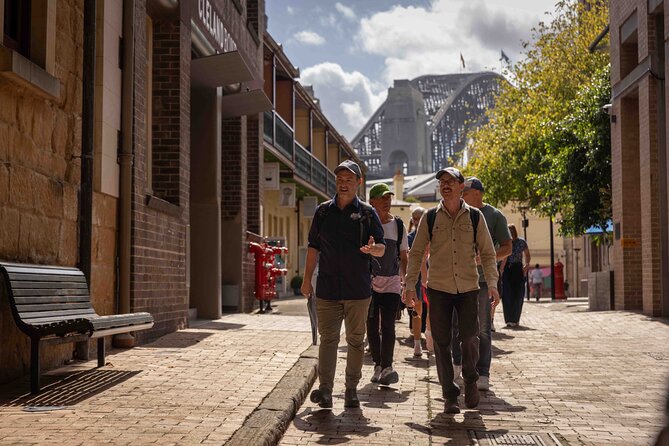
- Ed’s story-driven guiding style turns street-level history into something you can actually picture.
- Convict-era stops you can see, including an underground tunnel and surviving residential buildings.
- Sandstone ruins and harbour viewpoints that make the timeline feel real, not textbooky.
- Native food and tea tastings (wattleseed ANZAC cookies and lemon myrtle tea) that add a fresh layer to the tour.
- A small group cap of 10, which makes it easier to hear, ask questions, and stay on track.
- Dark humour and scandal talk, so expect the lighter side of a tough past.
Where Ed leads, the Rocks becomes a stage
Good walking tours don’t just point, they set a scene. That’s exactly the vibe here. Ed, who comes from TV direction as well as professional guiding, knows how to shape a route so you feel the shift from everyday street to colony-era survival stories.
What I like most is how the tour balances entertainment with actual place-based detail. You are not speeding through blurbs. You slow down where the architecture tells the truth, like at convict-built structures and sandstone remnants that still show the strain of early settlement. The humour also helps, especially when the subject matter is heavy. It keeps the tour from turning into a lecture.
You also get an easy social rhythm. With a maximum group size of 10, you are not stuck listening from the back while someone else asks the questions. You can keep up and still enjoy the views when you pause.
You can also read our reviews of more walking tours in Sydney


Cadman’s Cottage and The Argyle: living proof of the convict era
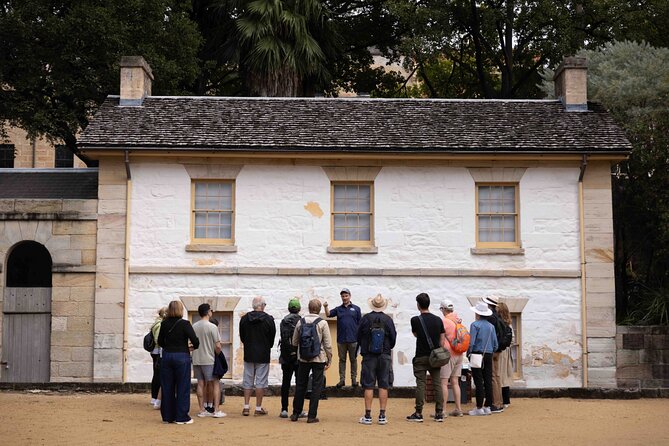
The tour kicks off at Cadman’s Cottage, which you can think of as the Rocks’ early residential base. It matters because it’s Sydney’s oldest surviving residential building, so you are not just hearing about the past. You are seeing a structure that carried real people through real pressure.
This stop is short, but it sets the tone. The guide frames what it meant to live in a convict-connected community and how those early years shaped the layout around you. If you’re the type who likes history you can touch, this is a strong opener.
Then you move on to The Argyle, where the story gets physical. There’s a dramatic convict-hewn tunnel linking Millers Point and The Rocks, and it’s one of those places where your brain immediately connects geography to survival. Why build a tunnel here? What routes did people need when the world outside was dangerous or controlled? Those questions make the whole area snap into focus.
One practical note: tunnels and narrow areas can feel cooler and busier than open streets. So if you run hot, you might want to keep a light layer handy.
Foundation Park: sandstone ruins that show a slum, not a postcard
Next comes Foundation Park, where you’ll see sandstone ruins of a former slum. I love this stop because it resists the urge to romanticize. You’re not looking at a clean historical facade. You’re looking at the leftover form of hardship, and that changes how you understand the Rocks.
The guide uses the ruins to explain how dense and difficult life could be in early Sydney. The key value here is perspective. When you connect convict-era arrivals, limited resources, and overcrowding, the story behind the streets becomes clearer. You start to see why certain buildings existed where they did, and why the harbour area played such a central role.
If you like visuals, this is the moment to stop trying to multitask. Take a moment to look slowly, not just for photos, but for shape and texture. Even when you don’t know every detail, you can feel the difference between a planned, official building and a place built under strain.
Campbells Cove and Playfair Street: harbour trade and surviving streets
After the ruins, the tour gives you a change of pace with harbour context at Campbells Cove. This is where the viewpoint does real work. Colonial shipping history sits right where you can look out, which makes it easier to grasp why The Rocks mattered beyond just convict stories.
You’ll get a sense of how movement and trade shaped daily life. The harbour isn’t background here. It’s part of the plot. When you understand shipping, you understand why the streets filled, why certain jobs existed, and why the area became a magnet for both order and trouble.
Then you head to Playfair Street, with preserved colonial buildings lining one of the Rocks’ iconic thoroughfares. This is one of those stretches where the architecture almost argues with you. It’s easy to assume the past was neat and official, but the tour’s commentary pulls you back to the reality that these buildings were part of a working, sometimes chaotic system.
The best way to enjoy Playfair Street is to slow down and watch what the guide points at. If you just walk through it, it can become a nice street. If you pause when prompted, it becomes a map of how people built, adjusted, and survived.
Dawes Point Park under the Harbour Bridge: Gadigal presence plus military history
The walk then turns toward Dawes Point Park, right under the Harbour Bridge. It’s peaceful now, but the site was once where the colony’s first gun battery stood. That contrast is the whole point.
This stop is also where the tour brings in Gadigal history alongside military context. I like that balance, because it keeps the story from being only about machinery of control. It gives you a broader sense of who belonged here, who used these spaces, and how the same ground held different meanings across time.
As a viewing stop, it’s worth it even if you’re not obsessed with military history. The harbour viewpoint helps you anchor the timeline. You can look outward and understand how strategic the area was, without needing a textbook explanation.
If you’re sensitive to stairs or uneven ground, this is a good idea to pace yourself. Look for footing when you pause for photos, and keep a steady rhythm so the group does not stretch out too far.
- Blue Mountains Small-Group Tour from Sydney with Scenic World,Sydney Zoo & Ferry
★ 5.0 · 3,709 reviews




Suez Canal’s alleys and the pub finale
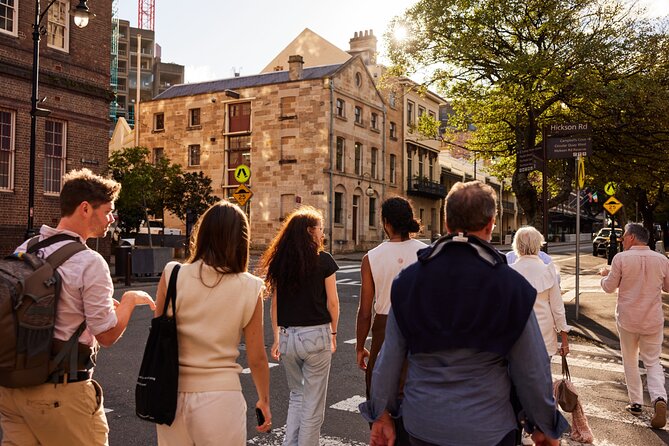
By the time you reach Suez Canal, the tour leans fully into the gritty side. This infamous alleyway is known for sly grog, brothels, and push gangs. That’s not light subject matter, but the way it’s framed comes with a dark humour edge that makes it easier to take in.
This is one of the most “you had to be there” areas because it’s easy to miss how much danger and commerce can exist in tiny spaces. Narrow lanes like this helped shape informal economies, and the guide’s storytelling connects the dots so you understand why the rules in colonial cities were often enforced unevenly.
It also helps that you’re already oriented by earlier stops. The tunnel, the ruins, the harbour viewpoints, and the preserved streets all become pieces of the same puzzle. Suez Canal is where the puzzle turns from survival and shipping into street-level scandal and power plays.
Then, there’s the pub finale. That part matters more than it sounds. It gives you a chance to reset after the darker stories and compare notes with your small group while the last details are still fresh.
Price, timing, and who this fits best
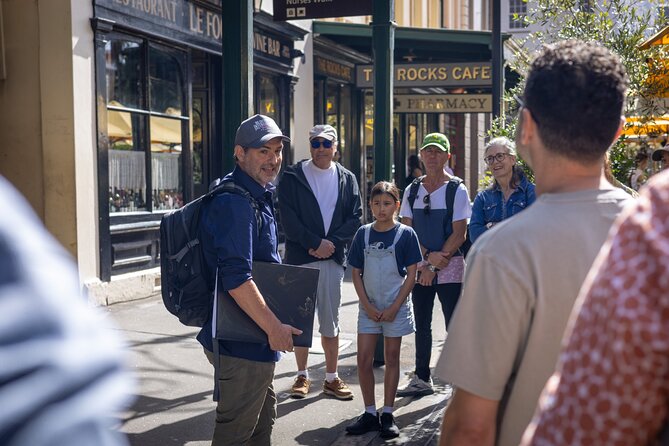
At $48.77 per person for about 2 hours 30 minutes, you’re paying for more than walking. You’re paying for storycraft, small group attention, and added value like tastings. Native flavours such as wattleseed ANZAC cookies and lemon myrtle tea aren’t a throwaway extra. They make the tour feel more layered than a classic read-the-plaques route.
The small group size, up to 10 travelers, is also part of the value. When the guide is telling tight stories in tight spaces, you benefit from not having a crowd.
This is a strong fit if you want:
- Convict-era Sydney that feels real, not sanitized
- A guide who tells stories with dark humour without ignoring the facts tied to places
- A walk that mixes “look at this” stops with short pauses for explanation
It might be less ideal if you want a strictly quiet, museum-style experience, or if you struggle with longer outdoor segments. Also, because the tour requires good weather, you should be ready for plan changes if conditions are poor.
How to get the most out of the Rocks Origin Story Walk
Here’s how you make this tour work for you on the day.
First, show up ready to stop. This is not a power-walk. You’ll want to pause at each major point long enough to absorb what the guide points out, especially at the tunnel and the ruins.
Second, treat the tastings as part of the story, not a snack break. Wattleseed ANZAC cookies and lemon myrtle tea fit the theme of local ingredients and place-based context. If you eat quickly and move on, you miss that extra layer.
Third, ask questions if something clicks for you. With a maximum of 10, you’re more likely to get a useful answer than a polite brush-off. Ed’s background in TV direction shows in how he frames stories, and questions help him tie the next stop to what you care about.
Finally, bring the basics: comfortable shoes and a weather-ready layer. The Rocks can change quickly, and since the tour runs in good weather, you will be outside for most of it.
Should you book this Sydney Rocks walking tour?
I think you should book if you want a Rocks experience that feels like street-level history with momentum. This tour is built around dramatic storytelling, convict-era sites you can actually stand inside or beside, and a guide like Ed who makes the whole place feel alive.
Skip it only if you need a quiet, strictly academic history format, or if you know weather and outdoor walking are dealbreakers for you. If you’re flexible and you enjoy clever, slightly dark storytelling that still points to real locations, this one is a great way to understand Sydney’s origin story without getting lost in facts that don’t stick.
FAQ
Where does the tour start and end?
The tour starts at 107 George St, The Rocks NSW 2000, Australia. It ends in The Rocks NSW 2000, Australia.
What time does the Sydney Origin Story Walk begin?
The start time is 9:30 am.
How long is the tour?
The tour lasts about 2 hours 30 minutes.
How many people are on the tour?
The tour has a maximum of 10 travelers.
Do I get a mobile ticket?
Yes, the tour uses a mobile ticket.
What happens if the weather is poor or I need to cancel?
The tour requires good weather. If it is canceled due to poor weather, you’ll be offered a different date or a full refund. You can cancel for free up to 24 hours in advance for a full refund.
More Walking Tours in Sydney


More Tour Reviews in Sydney
- Blue Mountains Small-Group Tour from Sydney with Scenic World,Sydney Zoo & Ferry
★ 5.0 · 3,709 reviews
Not for you? Here's more nearby things to do in Sydney we have reviewed







More The Rocks Tours
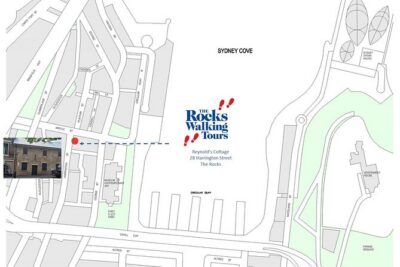 ★ 5.0Sydney The Rocks Guided Walking TourFrom $321,546 reviews
 ★ 4.7The Rocks 90-Minute History Walking TourFrom $321,092 reviews
 ★ 4.5The Rocks Ghost Tours with Guide in SydneyFrom $39482 reviews
 ★ 5.0The Rocks Pub Walking TourFrom $82447 reviews
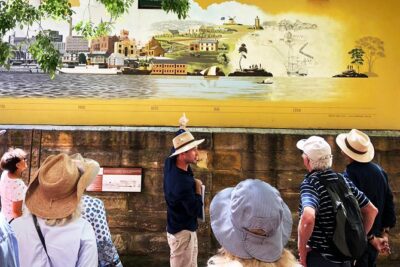 ★ 5.0Convicts and The Rocks: Sydney’s Walking Tour Led by HistorianFrom $37304 reviews
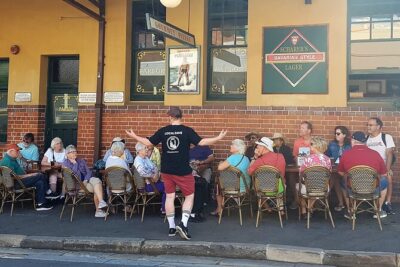 ★ 5.0Sydney The Rocks Historical Pub TourFrom $82251 reviews
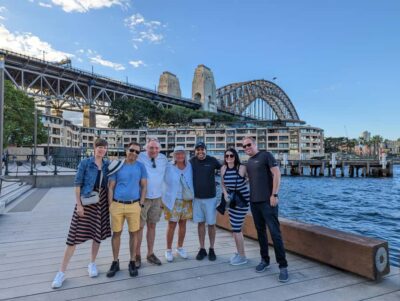 ★ 4.9City & The Rocks 3.5-Hour Walking Tour with a DrinkFrom $53234 reviews
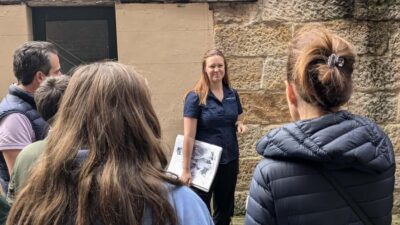 ★ 4.9Sydney Convicts, History & The Rocks 2.5-Hour Walking TourFrom $36181 reviews
Explore related Sydney days