
REVIEW · FOOD & DRINK
Sydney: Chinatown Street Food & Culture Guided Walking Tour
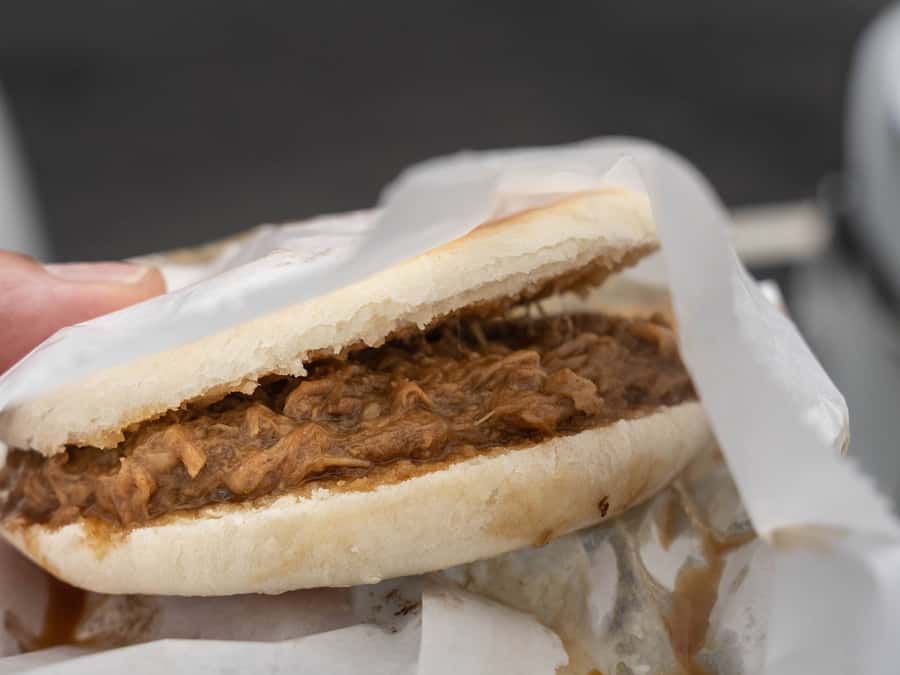
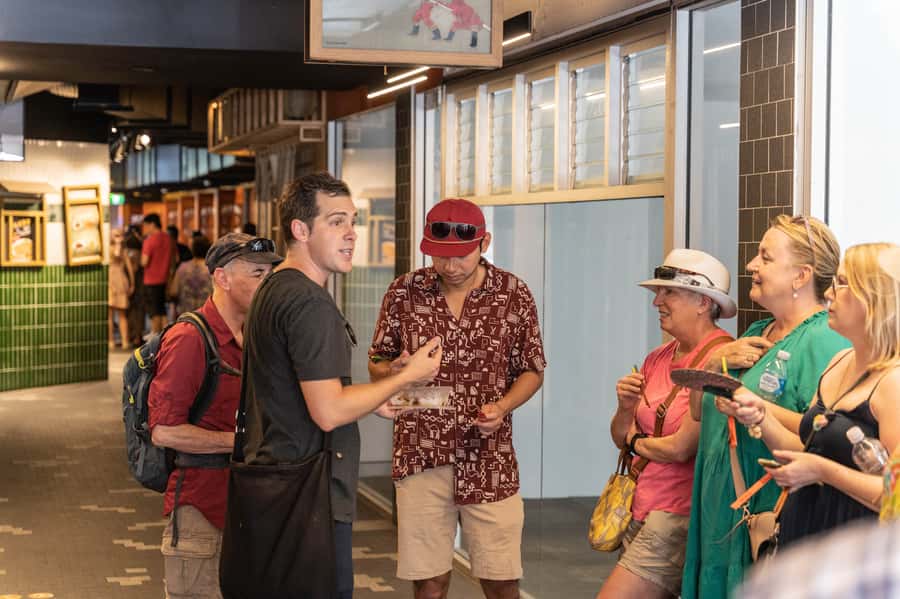
Food and history meet on Chinatown streets. On this 150-minute guided walk from Paddy’s Markets, you’ll sample Chinese street food while learning how Chinese-Australians shaped this neighborhood, with guides such as Justin and Bunny making the stories feel personal and fun.
I especially like two things. First, you get at least 4 food samples (often 4 or 5) designed to be eaten on the move, so lunch comes to you in manageable bites. Second, the Chinatown Bingo Card gives you a handy list of restaurant picks and what to order after the tour, which makes the experience keep paying off.
One consideration: it’s an outdoor walking tour, so on a hot Sydney day you can end up standing while your guide talks. Bring your hat and sunscreen, and plan for the fact that bottled water is not included.
Key takeaways before you go
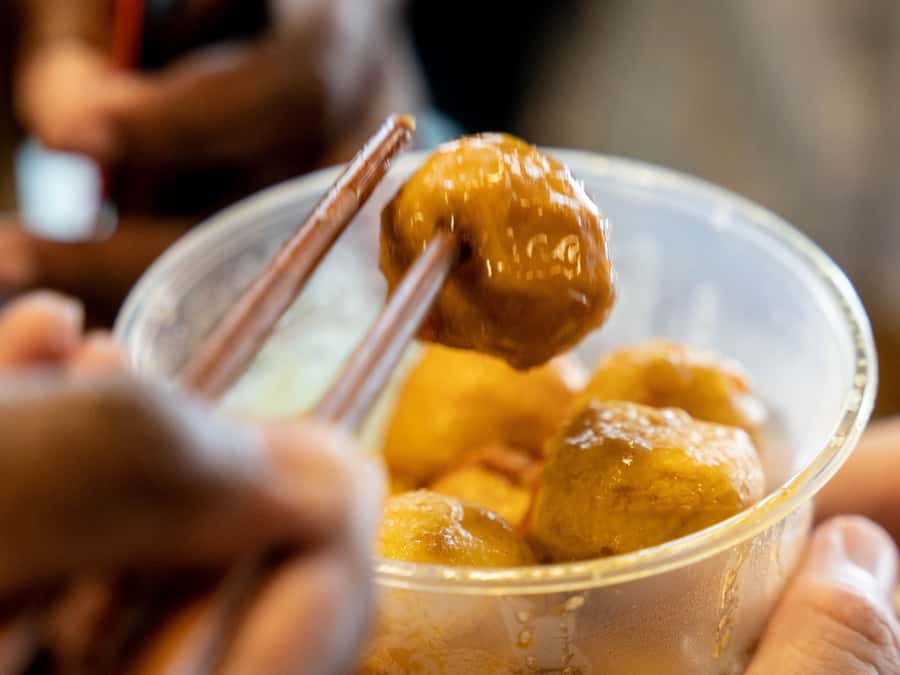
- At least 4 regional street foods, portioned for eating on the move (not a heavy food crawl)
- Chinatown Bingo Card with restaurant recommendations and ordering tips after the tour
- Famous sights on the route, including the Friendship Garden and the Chinatown red gates
- Chinese-Australian community history, told in a fun, interactive way
- Dietary accommodations available if you contact the operator in advance (with a specific limit for vegan plus gluten intolerance)
Where the tour starts: Paddy’s Markets, Dixon St, and the red gates
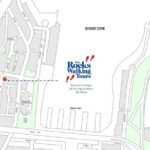
This tour’s starting point is outside Paddy’s Markets, across from the southern end of the Dixon St mall. Your job is simple, but it’s also easy to mess up, so I suggest you take 30 seconds to get oriented before you join the group.
Here’s the landmark check: look across the light rail tracks, and you should be able to see Emperor’s Garden (not Emperor’s Garden BBQ), the Covent Garden hotel, and the Chinatown red gates. If you can’t see that cluster clearly, stop and find the right side of the road. Being a few meters off can mean you end up waiting for a different group to pass.
Why this matters: Chinatown is packed with signs, lanes, and storefronts, so your first minute sets the tone. When you start in the right place, you’ll spend the rest of the 150 minutes actually walking and eating, instead of playing catch-up.
Also, this is a good tour to wear shoes you trust. The route is a street-walking format, and the foods are meant to be grabbed quickly and eaten while you go. If you expect a stroller-level shuffle, you’ll be happier if you think “comfortable walking pace.”
You can also read our reviews of more walking tours in Sydney

How the street-food tastings really work (and how much you’ll eat)
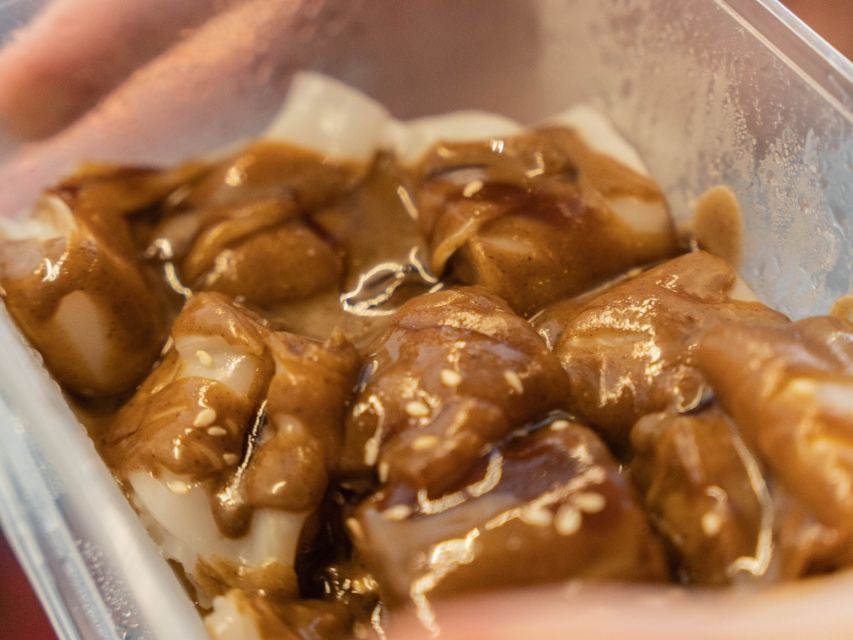
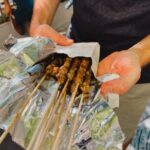
This experience is built around 4 or 5 regional Chinese street foods, which are snacks and street-style bites meant for moving. That design is important, because it explains the tour’s feel: you’re not stuck in one restaurant with plate after plate, and you’re not sprinting either.
For most people, the total amount of food lands around a lunch meal, but it’s still not heavy. That pricing makes sense when you think about what you get per sample: multiple tastings plus a guide who also explains what you’re eating and where Chinatown fits into the bigger Chinese-Australian story.
A practical mindset helps here. If you show up hungry, you’ll have a smoother time. If you arrive already full, the snacks may feel smaller than you expected, even if the amount is designed to match lunch.
Diet matters too. Vegetarians and vegans are welcome, and people with other dietary requirements can be accommodated as long as you contact the operator in advance. The one limit they call out is specific: they cannot do vegan guests who also have a gluten intolerance (they can handle one of those, but not both). So if that describes you, it’s worth handling the details early rather than hoping for a last-minute swap.
One more tip from the way the tour is paced: there may be stops where you’re offered a beverage tied to the food stop. I’d keep it simple, but also bring a little flexibility in your budget for anything beyond the included tastings, especially if you’re touring on a hot day.
The Chinatown sights you’ll notice, Friendship Garden and the red gates
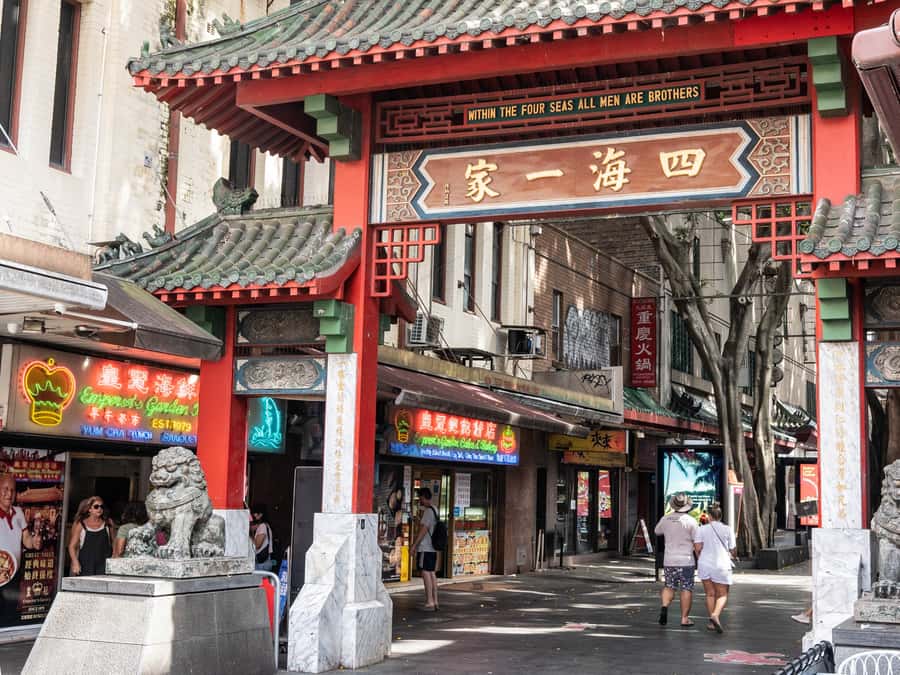
Food draws you in, but the tour also uses Chinatown’s landmarks to anchor the story. Two highlights are explicitly on the route: the Friendship Garden and the Chinatown red gates.
The red gates do more than look good in photos. They’re a visual marker that helps you understand how Chinatown presents identity in public space, and your guide uses them as a starting point to talk about the neighborhood’s evolution. Even if you’ve walked through Chinatown before, standing near the gates with context makes it easier to see the area as something built over time, not just a cluster of restaurants.
Then there’s the Friendship Garden, which adds a calmer feel to the walking schedule. It’s a place that helps break up the snack-and-stand rhythm, and it gives you a moment to slow down and actually take in the symbolism your guide points out.
What I like about this approach is that it prevents the tour from becoming only a list of food stops. You’re eating, yes. But you’re also building a mental map of what’s where and why it matters, which makes you more independent the next day when you decide where to eat.
Bring a camera if you like, but more importantly, bring your attention. These sights are the landmarks your brain will use to remember the tastings. Once you connect a bite to a place, the experience sticks longer than a food memory alone.
The Chinese-Australian story behind the snacks
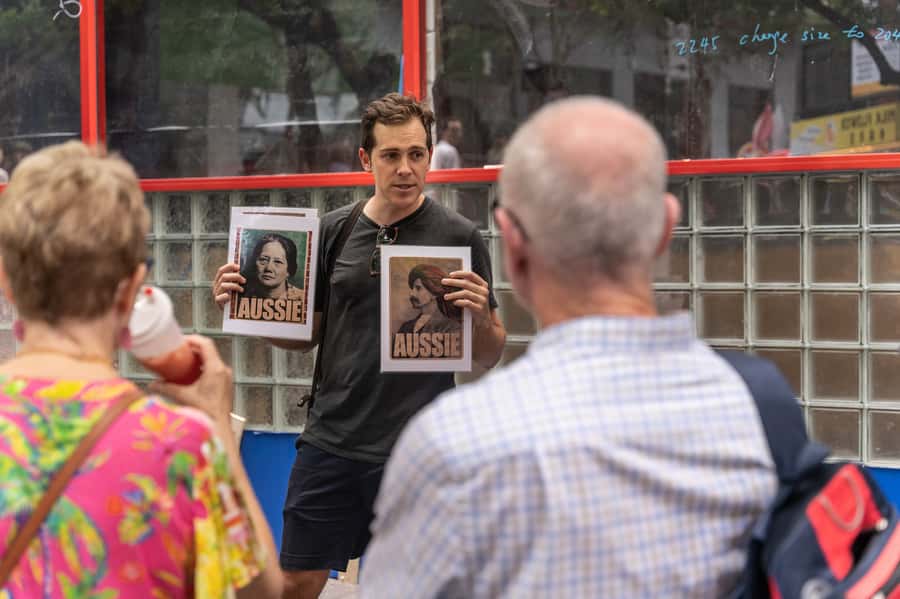
The strongest through-line here is history told through everyday life. Your guide focuses on how Australia’s Chinese community began in Chinatown, and how the area has changed and continues to evolve.
This is where guides like Justin and Bunny have gotten especially strong marks in the feedback. The style that seems to work best is the mix of food and story, so you’re not hearing a lecture while holding a small dumpling. Instead, you get a reason for why a dish fits the neighborhood, and why Chinese-Australian contributions are part of the wider Sydney picture.
Some guides also share printed materials and photos after the tour. That’s a sneaky value add. You get something you can look at later, so you keep learning after the walk ends.
Also, the tour is designed to be interactive. That matters because Chinatown history can feel abstract if it’s presented only as dates and facts. When your guide asks questions or prompts you to notice details, the information lands faster and feels more human.
This tour doesn’t aim to overwhelm you with background reading. It uses a street format, so you learn what you need in the moment, then you walk away with a stronger sense of the area beyond restaurants.
The Chinatown Bingo Card, and how it helps you eat better after
By the end, you’ll receive a Chinatown Bingo Card packed with restaurant recommendations and what to order. This is one of the most practical “I can use this right now” parts of the experience.
Here’s why that matters for value: lots of food tours leave you with memories, but not a plan. This one gives you an immediate next step. After the tour, you can use the bingo card like a personal shortlist. It also helps you avoid the classic problem of walking into a restaurant and freezing because everything sounds great.
Your guide also shares photo recap material after the walk. Even if you’re not the type who studies food photos, it’s useful for remembering the order and presentation. It helps you recreate the experience later, especially if you were focused on eating and listening in the moment.
If you’re the kind of traveler who likes to eat your way through a city, this card turns Chinatown into an organized mission instead of wandering. If you’re more casual, it still helps you pick a safer choice on your first try, then branch out once you know what you like.
You can also read our reviews of more food & drink experiences in Sydney


Pacing, timing, and what to do on a hot Sydney day
The tour runs 150 minutes, which is long enough to cover multiple stops, but short enough that it doesn’t feel like a half-day endurance event. The design also matters: tastings are snacks built for the move, so you don’t spend every minute waiting at the table.
Still, the outdoor nature is real. A few people have noted that on hot days you can end up spending time standing in the sun while the guide delivers history and context. That’s not a dealbreaker, but it’s a reason to plan better than you would for an indoor meal.
So here’s what I recommend you do:
- Wear a hat and sunscreen, especially if your afternoon starts late morning or earlier afternoon.
- Bring a reusable water bottle, and sip even if you do not feel thirsty yet.
- Wear comfortable shoes because you’re walking and stopping in streets that don’t exactly reward slow movement.
One more small practical note: bottled water is not included. So don’t assume you’ll be topped up mid-route. If hydration matters to you, bring your own.
Finally, keep expectations aligned with the format. This is a guided tasting plus context, not a heavy, sit-down feast. If you want to stuff yourself, you’ll likely need a second meal plan after the tour. Good news: the bingo card and restaurant guidance are built for that.
Pricing and value: what $56 buys you in real terms
At $56 per person for 150 minutes, this tour is priced like a smart city snack experience, not a high-end restaurant crawl.
What you’re paying for includes:
- 4 or 5 regional street-food tastings
- A live English-speaking guide
- Chinatown history and culture explanation tied directly to the neighborhood
- The Chinatown Bingo Card you can use to keep eating after the walk
- Photos shared after the tour
When you break it down, the food alone is only half the equation. The other half is the guide’s ability to translate what you see into context: why Chinatown looks the way it does, how Chinese-Australians built community here, and how the area keeps changing. That’s the kind of value you can’t replicate by walking around on your own in the same time window.
Could it feel expensive if you’re expecting a lot more food? Yes, and some people have mentioned wanting a bit more volume for the price. But the tour is clear about its design: it’s a lunch-equivalent, not a heavy food marathon.
To get your money’s worth, show up hungry, follow the pacing, and use the bingo card at night. That’s the difference between “nice snacks” and “I planned my Chinatown meals.”
Who should book this Chinatown street-food walk
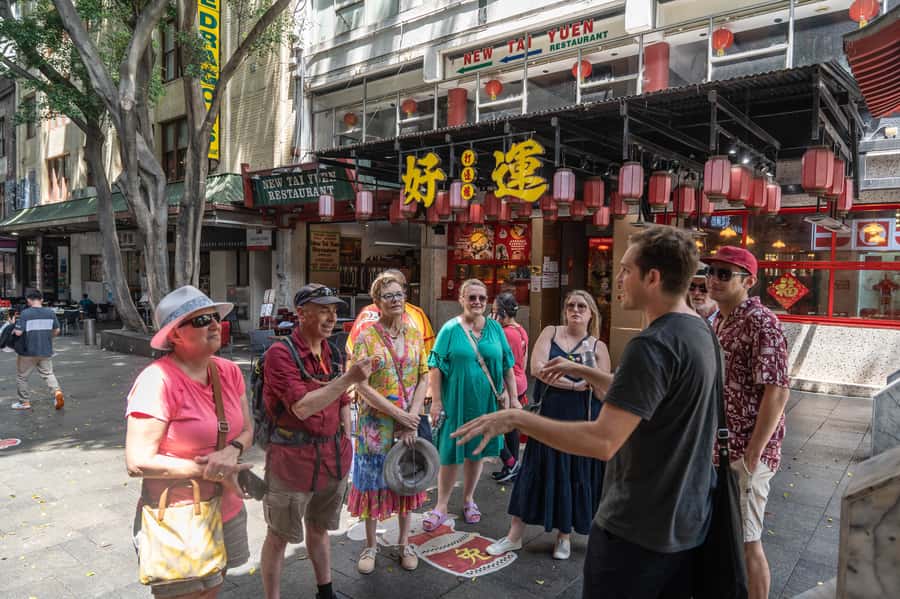
This is a great fit if you want Chinatown to feel like more than a food stop. You’ll enjoy it if you like the mix of tastings plus street-level history, and if you want a guide to point you to places to return to.
It also works well if you’re cautious about food variety. The tour includes multiple regional street foods and handles vegetarian and vegan needs with advance notice, so it’s not a one-note meal.
Pick this tour if you:
- Like walking tours that move at a comfortable pace
- Want a structured way to try Chinatown food without guessing
- Care about Chinese-Australian history and how the neighborhood evolved
- Value practical take-home tips, like where to eat and what to order
If you dislike standing in the sun for long stretches, go prepared. The tour is built for walking and stopping outdoors.
Should you book it
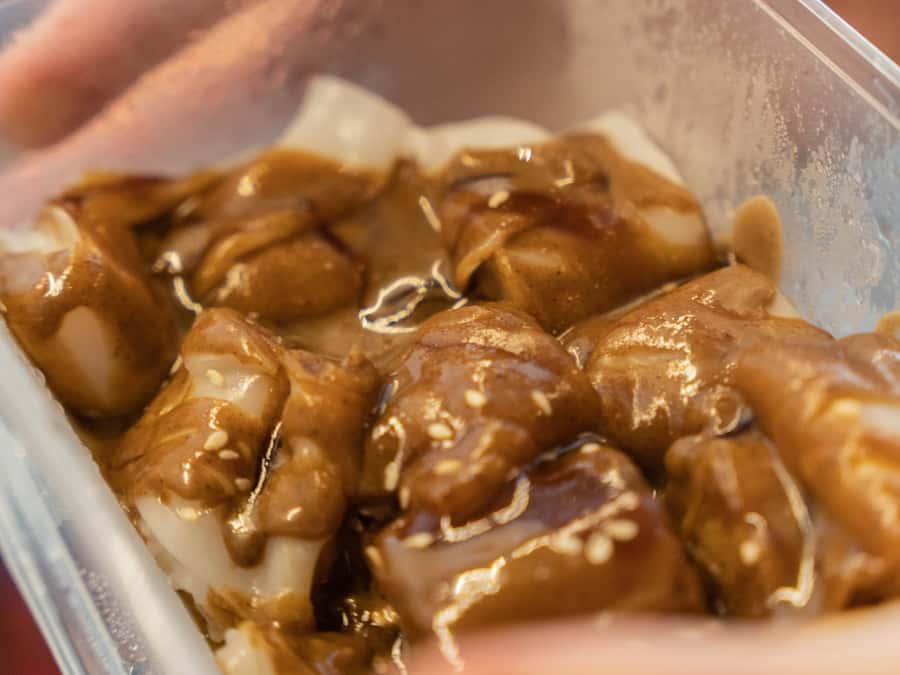
Yes, I think you should book this Sydney: Chinatown Street Food & Culture Guided Walking Tour if you want a smart, time-efficient way to get oriented in Chinatown and to eat in a guided, confidence-boosting way. The Chinatown Bingo Card plus the street-food tastings make it feel like a two-part win: you eat well during the tour, then you have a plan for the next meal.
I would book with extra care if you’re very sensitive to heat or if you want a maximum amount of food. If you’re expecting a heavy feast, this isn’t that. If you want a lunch-equivalent snack experience with meaningful context, you’re in the right place.
FAQ
How long is the Sydney Chinatown Street Food & Culture Guided Walking Tour?
The tour duration is 150 minutes.
How many food samples are included?
The tour includes 4 or 5 regional Chinese street foods, with a minimum of 4 food samples.
Where does the tour meet?
The tour starts outside Paddy’s Markets, directly across from the southern end of Dixon St mall.
Is the tour wheelchair accessible?
Yes, the tour is wheelchair accessible.
What dietary needs can you accommodate?
Vegetarians, vegans, and other dietary requirements are welcome if you contact the operator in advance. The only requirement they cannot do is vegan plus gluten intolerance together.
Are bottled water and drinks included?
Bottled water is not included.
Will I receive photos or recommendations after the tour?
Yes. You’ll receive photos shared after the tour, and you’ll also get a Chinatown Bingo Card with restaurant recommendations and what to order.
What should I bring with me?
Bring comfortable shoes, a hat, sunscreen, and a reusable water bottle.
What is the cancellation policy and payment option?
There is free cancellation up to 24 hours in advance for a full refund. You can reserve now and pay later to keep plans flexible.
More Walking Tours in Sydney
More Tours in Sydney
- Blue Mountains Small-Group Tour from Sydney with Scenic World,Sydney Zoo & Ferry
★ 5.0 · 3,709 reviews


More Tour Reviews in Sydney
- Blue Mountains Small-Group Tour from Sydney with Scenic World,Sydney Zoo & Ferry
★ 5.0 · 3,709 reviews

Not for you? Here's more nearby things to do in Sydney we have reviewed








More Food & Drink
 ★ 5.0Chef-Led Hunter Valley Gourmet Food and Wine Day Tour from SydneyFrom $198728 reviews
 ★ 5.0Luxury Hunter Valley Wildlife & Wine Tasting Tour from SydneyFrom $89652 reviews
 ★ 5.0Sydney Beer and Brewery TourFrom $110394 reviews
 ★ 5.0Audrey Wilkinson Vineyard: Picnic with Wine Masterclass TastingFrom $68361 reviews
 ★ 4.5Hunter Valley Wine Tasting Tour from SydneyFrom $157279 reviews
 ★ 5.0Sydney Food Tour with 8 Authentic Tastings by Secret Food ToursFrom $116267 reviews
 ★ 4.8From Sydney: Hunter Valley Wine, Gin & Food Tastings TourFrom $159221 reviews
 ★ 5.0Ivanhoe Wines: Trip Advisor Premium Wine TastingFrom $28186 reviews
Explore related Sydney days