
REVIEW · CITY TOURS
Sydney: Half-Day City Tour
Sydney is too big to figure out fast.
This half-day tour is interesting because it strings together Sydney Harbour views, beach viewpoints, and neighborhood stories into one tight route. I like that it stays in a small group (max 10) so you get real guide talk, not just background noise. You’ll also see the city’s “beyond the postcards” side, with stops that connect places to moments like the Gadigal occupation, the First Fleet, and the Olympic Games. One thing to consider: this is a lot of lookouts and quick breaks, so you will not get long beach hang time.
My favorite part is how the guide turns scenery into context. From Mrs Macquarie’s Chair to the coastal views around Bondi, the commentary helps you understand what you are looking at and where to go next on your own. It is also a practical way to spot where you want to spend more time, whether that means a harbor walk or a meal in a specific district. The trade-off is pace, especially if parking or weather limits longer stops, because the day is designed to cover many areas.
Key takeaways before you book
- Small-group vibe (up to 10) keeps the tour personal and makes questions feel easy.
- Harbor viewpoints first, including Mrs Macquarie’s Chair for bridge and Opera House framing.
- Bondi without the full-day grind, with photo stops along Tamarama and Bronte.
- Neighborhood contrast, from Paddington terraces to Surry Hills and Chinatown markets.
- Route built for orientation, so you finish with a map in your head, not just photos.
- Guides like Katja, Ben, Jelle, Kyle, and Carlos are frequently praised for clear storytelling and smart stops.
A half-day Sydney route that gives you bearings fast
If you only have a day or two in Sydney, you need orientation more than entertainment. This tour is set up like a fast, guided walk through “where everything is,” with just enough history and food talk to help you make smarter choices later. In a city where the neighborhoods feel separate, that matters.
The biggest win is that you are not stuck doing one district over and over. You start on the harbor side, then swing through bays and eastern suburbs, then hit the Bondi coastline, and finally wrap into inner-city areas like Paddington, Darlinghurst, Surry Hills, Chinatown, and Darling Harbour. By the end, you can tell the difference between where locals swim, where families roam, where you find shopping, and where nightlife clusters.
For me, that is the point of a half-day tour: it should shorten your search time. You should leave thinking, I know what fits my day tomorrow.
You can also read our reviews of more city tours in Sydney

Small-group comfort, pickup, and how 4 hours usually feels
The tour runs about four hours, with options to start at 08:00 or 13:00. Pickup is included from your hotel in Sydney if you are in the city area, which is a quiet lifesaver when you are juggling jet lag, heat, or just not wanting to navigate trains and buses right away.
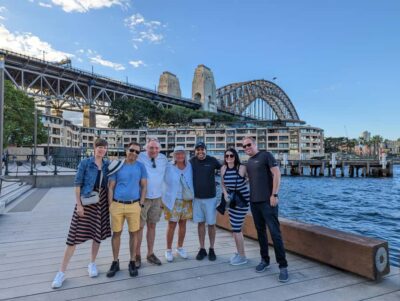
It is also designed for small groups, with a stated maximum of 10 people. That size makes a difference when the guide is answering questions or adjusting the plan for comfort. Several guides get mentioned for being patient and adapting on the fly, including support for mobility needs and taking extra time at photo stops so everyone can get clear angles.
Now the honest part. Four hours means the tour is built around quick photo stops and short stretches on foot, not long, slow wandering. The schedule is packed, so you may feel like you are moving a lot even when the driving segments are scenic. If you want hours on one beach or a deep museum visit, plan that separately.
The Rocks and Mrs Macquarie’s Chair, where the city’s timeline clicks
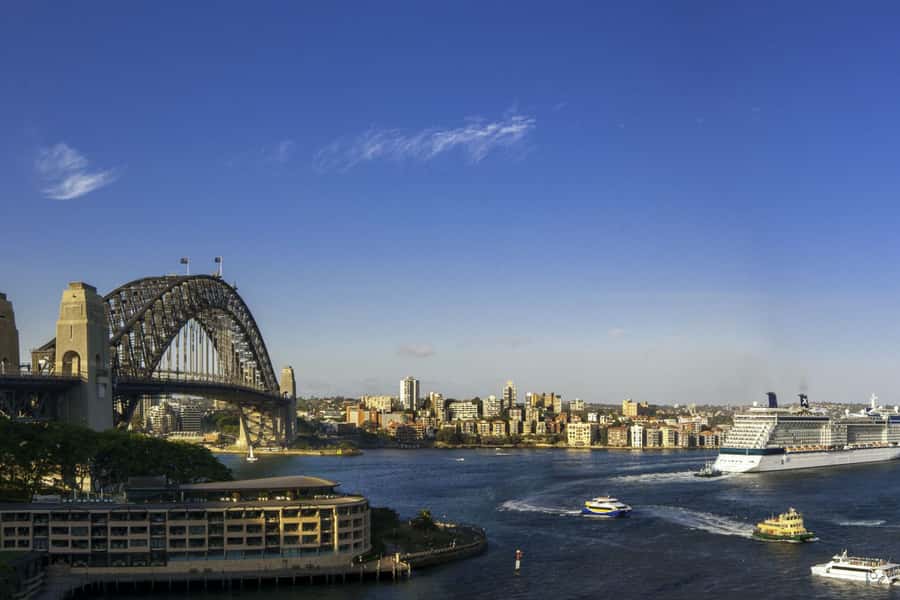
You typically begin in the harbor area, starting with The Rocks, known as the oldest part of Sydney tied to the First Fleet landing. This is a strong opening because it gives you a “before the skyline” frame. The Rocks also works as a photo zone, and a short walking moment here helps your brain lock onto the harbor shape early.
Next comes Millers Point along the way back through the harbor area later. It is famous for older pubs and hotels, and it makes Sydney feel more layered than just modern water views. If you like neighborhoods with character, this is where you’ll start noticing that Sydney has more than one “center.”
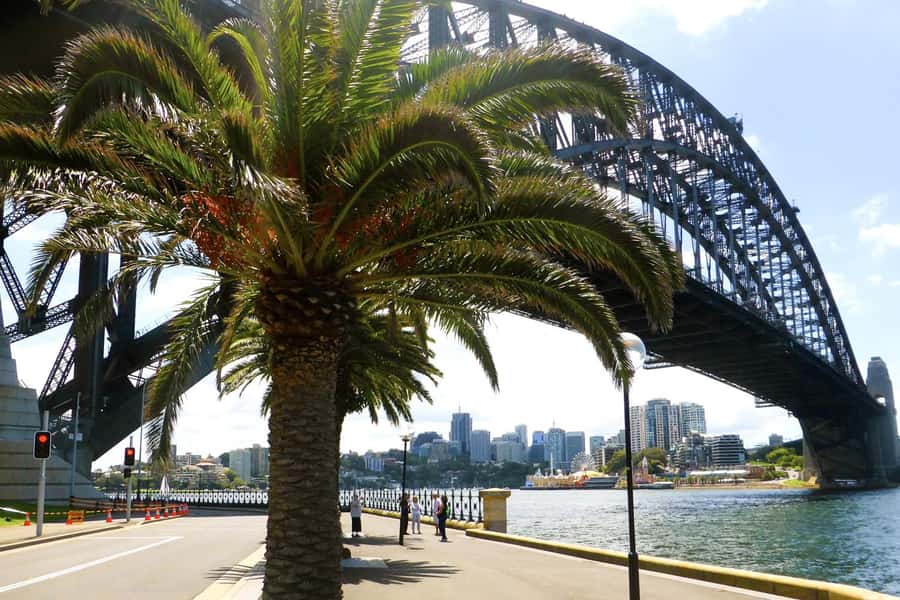
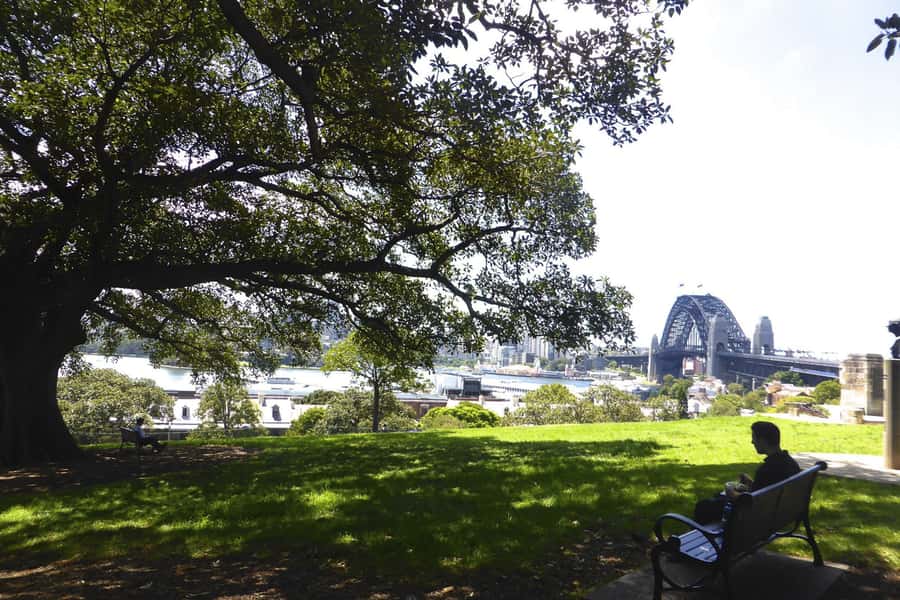
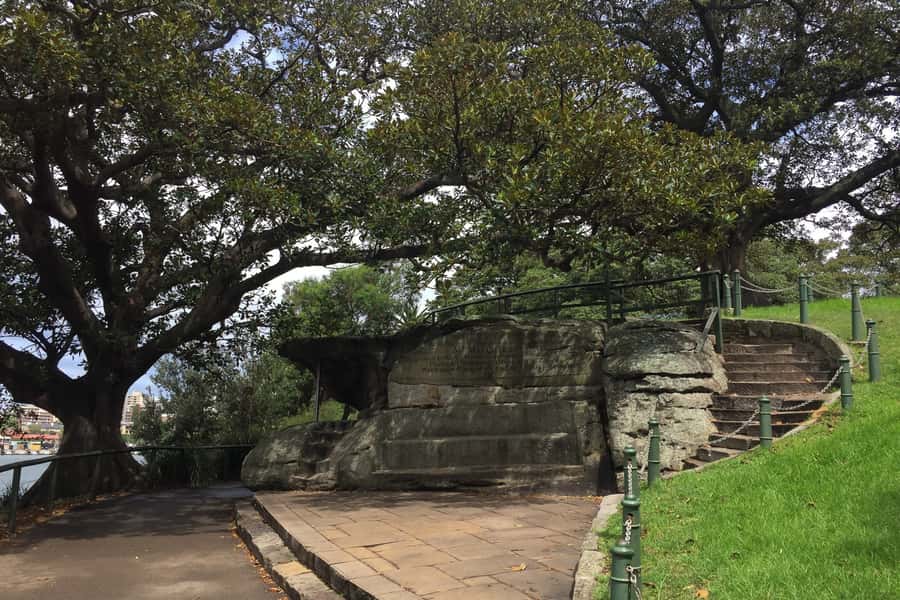
Then the day’s view-piece often lands at Mrs Macquarie’s Chair. This is the spot for panoramic framing of Sydney Harbour, the Opera House, and the Harbour Bridge. If you get just one “wow” shot without hunting for it yourself, this is where it usually comes from. It also helps you understand how the harbor functions as the city’s main stage, from ferries to cliffs to beaches.
What I like about this sequence is the way it teaches you direction. After these stops, you can look at maps and recognize the coastline, not just see names.
Eastern suburbs and harbor bays: Woolloomooloo to Kings Cross
After the harbor landmarks, the tour starts showing you how diverse the city gets as you move outward. Woolloomooloo is a great example. The area is tied to the famous pie cart at Harry’s Cafe de Wheels, and it is also known for the long Finger Wharf, noted as the longest timber-piled wharf in the world. Even if you are not eating right there, these details help you picture what this place actually feels like.
From there, you head into areas like Potts Point and Kings Cross, and the contrast is part of the lesson. Potts Point is associated with eclectic architecture, so you get a quick snapshot of how Sydney styles itself from neighborhood to neighborhood. Kings Cross is introduced as the infamous Red Light District, which gives you a reality check that Sydney’s story includes all kinds of eras and attitudes, not only glamour.
Then the tour threads through smaller harbor pockets tied to sport, wealth, and sailing culture. Rushcutters Bay is linked with the start of the Sydney to Hobart Yacht Race, which gives the water a different personality than the beach zones. You also pass Darling Point, described as the first set of posh harborside suburbs, plus Double Bay, with an emphasis on its more exclusive shopping identity.
If you are a “walk first, look later” person, these stops are good for grabbing names and locations. They also help you decide whether you want to spend your own time on a quieter bay walk later, or if you prefer the energy of downtown.
Point Piper, Rose Bay, Vaucluse, Watsons Bay: the coastline mindset
One of the smartest things this tour does is move you along the coast while keeping the commentary focused. Areas like Point Piper are framed as some of the most expensive real estate, and even that short context helps you read the landscape differently. You notice the scale of homes and the way viewpoints are used.
Then Rose Bay comes in with a distinctive historical note, described as the site of Australia’s first international airport for flying ships. That kind of detail is exactly what makes the coastal driving feel like more than scenery. It turns a drive into a timeline.
From there, Vaucluse is presented with early 19th-century mansions, and then you move toward Watsons Bay. Watsons Bay gets described through heritage trails and nudie beaches, which tells you this place has a mix of classic walkable history and beach culture. It is not a random stop, it is a clue to how different Sydney beaches serve different kinds of visitors.
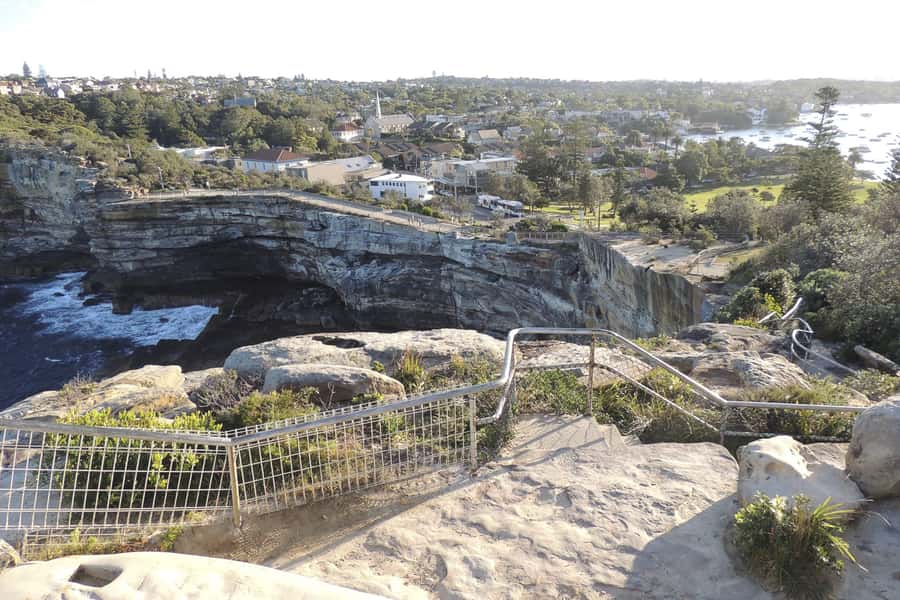
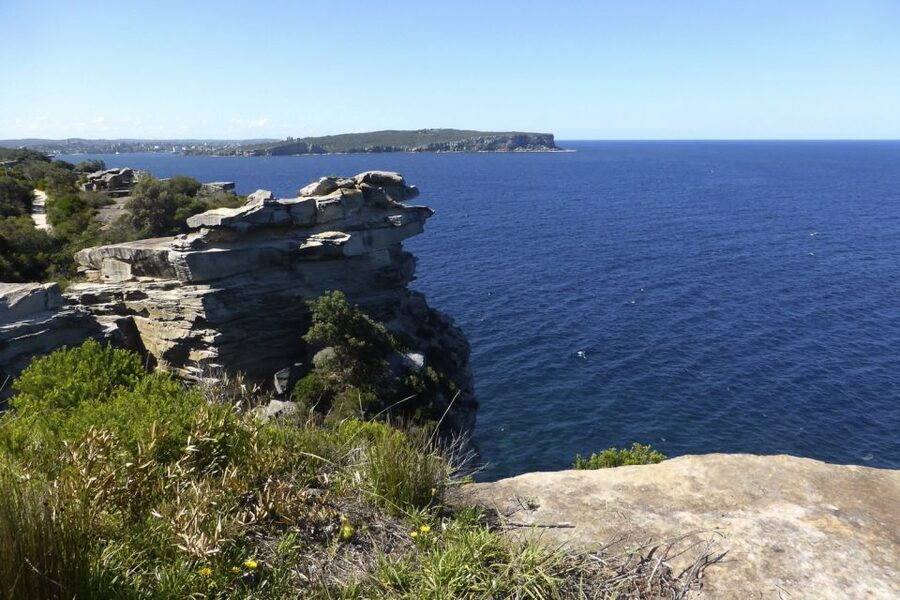
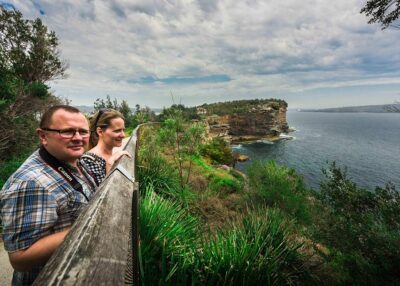
A highlight around this stretch is the series of viewpoints that lead toward The Gap and Dover Heights. Camp Cove is flagged as the spot of Captain Philip’s first footprint, while Dover Heights is where you get spectacular city and ocean views. If you like cliffs and edges, this is where you’ll feel the harbor opening into the Tasman Sea and Pacific Ocean.
A practical note: these lookouts are photo-friendly, but they also depend on weather and wind. When conditions are less cooperative, your photos might look flatter, so give your camera time and don’t expect every shot to be perfect.
More Sydney harbour days, city walks, coastal outings, and regional escapes worth considering


Bondi and the coastal stops: seeing the beach culture without overstaying
The Bondi portion is the part most people talk about, and it is built to give you a clear sense of the coastline. You do not just “arrive at Bondi and leave.” You get the flow of beaches along the way.
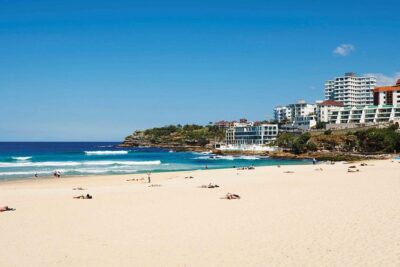
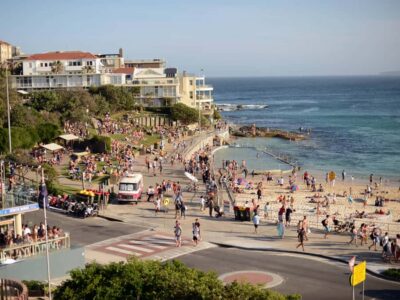
North Bondi is noted as a zone for golf, whales, and sea-eagles, which gives Bondi a broader natural-life feel than just surf culture. Then the tour hits Bondi Beach, framed as the birthplace of freestyle swimming and professional lifesaving. That matters because Bondi is not only a pretty beach, it is tied to safety culture and sports tradition.
You also stop at Tamarama Beach, sometimes called Glamorama, and then Bronte Beach, known for barbecues and dog walking, plus access through the Bronte Gully area. This sequence helps you choose which beach matches your style. Some people want the famous energy of Bondi. Others prefer the more laid-back feel of Bronte. You can figure that out fast from a quick route like this.
Even if you are not doing a long coastal walk, the tour usually gives you enough of the coastal geometry to plan your own route later. If your schedule is tight, you can simply come back for the walk segments you care about most.
Paddington, Surry Hills, Chinatown, and Darling Harbour: modern Sydney you can act on
After the coastal and harbor viewpoints, the tour shifts back toward inner neighborhoods where you can eat and shop. This is where orientation becomes useful beyond photos.
Paddington is introduced with Victorian terraces and boutique shopping and fashion. Woollahra sits near this zone too, associated with consulates, mansions, and art traders. The message is clear: Sydney’s style sections exist, and they are not all in one area.
Then you hit Darlinghurst and Surry Hills. Darlinghurst is described as a gay and lesbian entertainment district, while Surry Hills is presented as trendy and multicultural. These are big cultural tags, and they help you decide where your night might feel right, even if you are not looking for something specific.
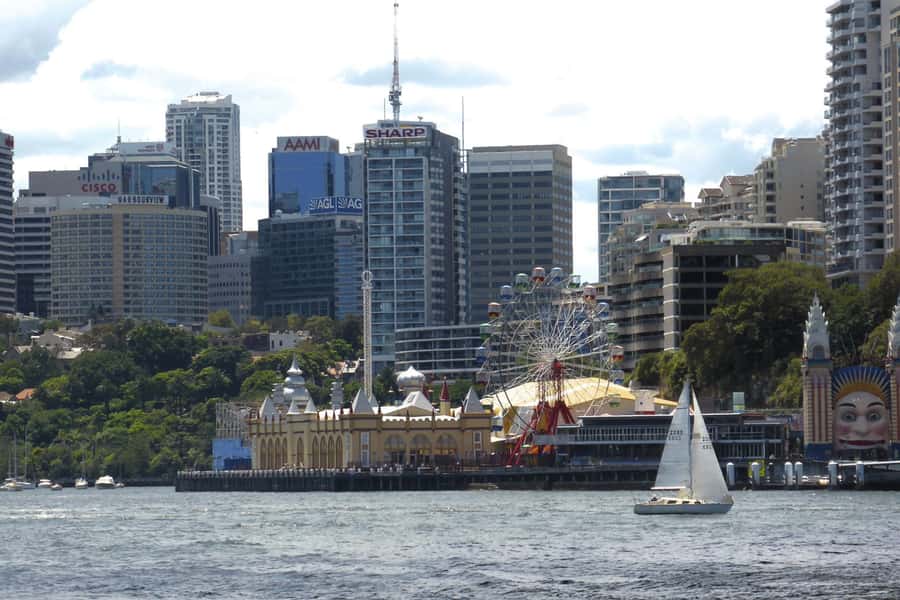
Chinatown is described with Paddy’s Markets, which is useful if you want a practical souvenir hunt or a snack stop during your own free time later. Finally, you finish around Darling Harbour, described as a modern, purpose-built entertainment center. That ending helps you understand where the tourist-facing energy is concentrated, so you do not accidentally drift into it when you wanted something calmer.
If food and casual browsing are your main priorities, this section is the payoff. You come away with a list of neighborhoods to revisit, plus an idea of what kind of vibe each one has.
The guides make or break it: Katja, Ben, Jelle, and more
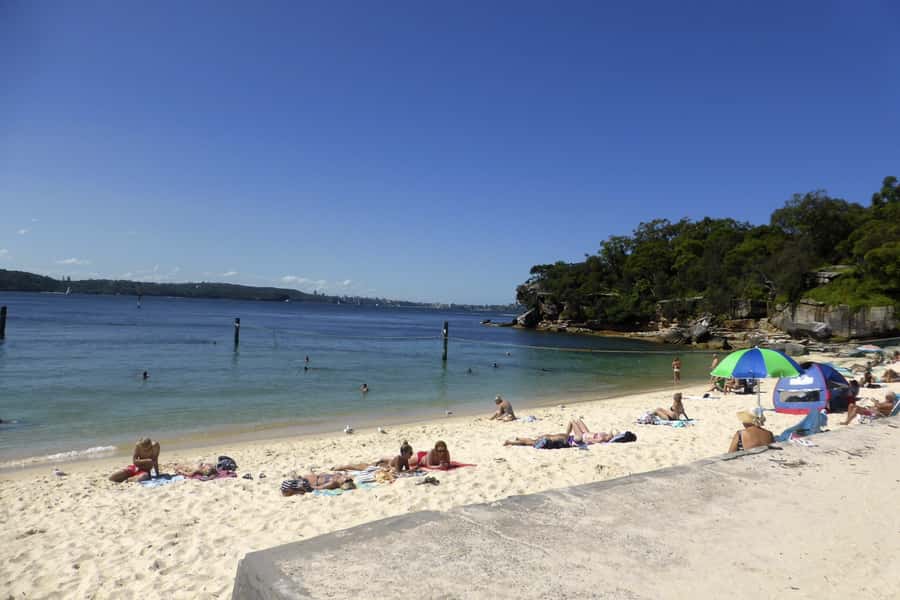
The tour experience often comes down to the guide, and the names attached to the highest ratings show a pattern. People repeatedly mention guides like Katja, Ben, Jelle, Vic, Kyle, Carlos, Andrew, and Dune for staying friendly while packing in clear explanations. You also see praise for how guides handle questions and keep the group moving efficiently.
Some guides are praised for being amusing, others for being very practical about where to stop for photos. One standout theme is care. If you have mobility challenges, you want a guide who helps you get in and out comfortably and points out where a short walk is optional. In general, this tour aims to balance driving with just enough walking to feel like you saw more than a window view.
You also get water included, which sounds small until you are touring in warm weather. It helps you stay steady on stops like Bondi and the cliff viewpoints where you might otherwise slow down.
What this tour costs, and if it is good value for your trip
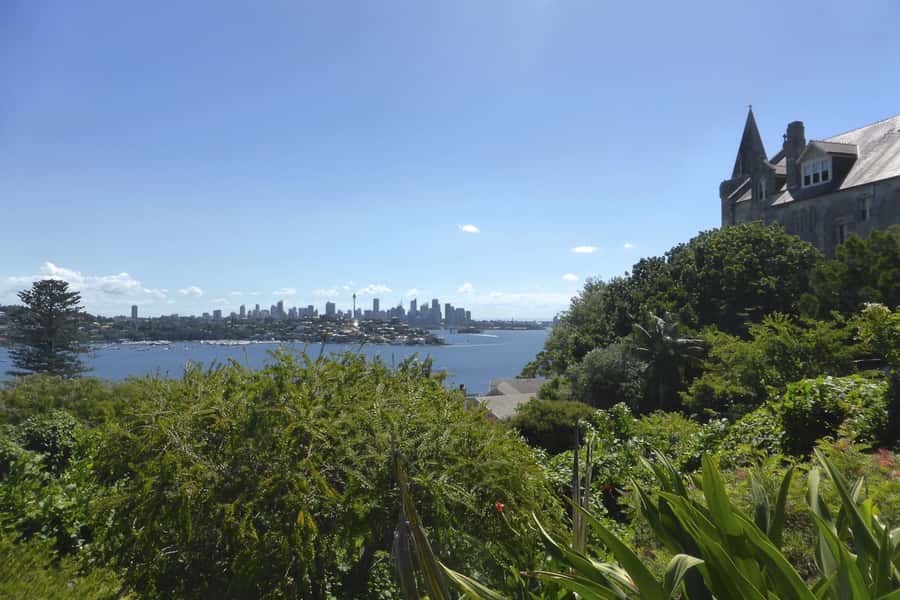
The price is $116 per person for a roughly four-hour tour. That is not cheap, but it can be good value if you use it the way it is intended: as an orientation tool that prevents wasted days.
You are paying for three things:
1) A tight route that covers major harbor and beach landmarks in one go
2) Expert commentary that turns views into context
3) A small-group setup and hotel pickup that reduces friction
If you already know Sydney well, you might feel it is pricey for the time. If you are brand new to the city and want to decide what you do next, it can save money by stopping you from booking the wrong second-day plans.
Weather and time management also affect perceived value. If skies are poor or if traffic or parking slows certain areas, you might feel like you lost some of the intended viewpoints. On the other hand, guides can often keep the route efficient even when conditions change.
Who should book this Sydney half-day city tour
This tour is best for:
- First-time visitors who need a quick map of neighborhoods
- People who want to see Harbour highlights and Bondi without committing a full day
- Travelers who like history nuggets, like First Fleet references and early aviation stories
- Anyone who prefers a small group over crowded buses
It may be less ideal if:
- You want long beach time, long hikes, or slow neighborhood wandering
- You hate driving segments and would rather spend hours walking in one place
If you are traveling with kids, the quick stops can be easier than a long, single-day hike. If you are older or have mobility needs, it is worth asking in advance how the walking is handled on specific stops.
Should you book this half-day Sydney tour?
I’d book it if you are aiming to understand Sydney quickly and then explore on your own. The strongest reason is the route logic: harbor first for structure, Bondi second for beach culture, and inner neighborhoods last so you can shop and eat with confidence.
Skip it if you already have a clear plan for the city and you do not need orientation. In that case, you may get more satisfaction from an area-specific day, like a full Bondi to Coogee style walk or a deeper food neighborhood tour.
If you choose this one, bring comfortable shoes, sunscreen, and your camera. Confirm your booking ahead of time, and aim to use the tour as a springboard, not a finish line.
FAQ
How long is the Sydney half-day city tour?
The tour runs for about 4 hours.
What is the price per person?
The price is $116 per person.
What time does the tour depart?
You can choose a morning departure at 08:00 or an afternoon departure at 13:00.
Is hotel pickup included?
Yes. Pickup from your hotel in Sydney is included if your hotel is located within the city area.
How big is the group?
This is a small-group tour with a maximum of 10 people.
What language is the live guide?
The live tour guide operates in English.
What is included in the tour?
You get expert commentary and water.
What should I bring?
Bring comfortable shoes, a camera, sunscreen, and comfortable clothes.
Can I cancel and get a refund?
Yes. You can cancel up to 24 hours in advance for a full refund.
More City Tours in Sydney

More Tours in Sydney
- Blue Mountains Small-Group Tour from Sydney with Scenic World,Sydney Zoo & Ferry
★ 5.0 · 3,709 reviews

More Tour Reviews in Sydney
- Blue Mountains Small-Group Tour from Sydney with Scenic World,Sydney Zoo & Ferry
★ 5.0 · 3,709 reviews


Not for you? Here's more nearby things to do in Sydney we have reviewed






More City Tours
 ★ 4.5Combo Pass for 2, 3, or 4 Top City AttractionsFrom $38926 reviews
 ★ 4.5Morning or Afternoon Half-Day Sydney City Sightseeing TourFrom $109566 reviews
 ★ 5.0Sydney City Highlights & Hidden Gems: Private or Small Group TourFrom $178340 reviews
 ★ 3.5Sydney Arrival Transfer: Airport to City or Overseas Passenger TerminalFrom $26339 reviews
 ★ 4.4City Highlights Guided Bus TourFrom $34321 reviews
 ★ 4.9City & The Rocks 3.5-Hour Walking Tour with a DrinkFrom $53234 reviews
 ★ 4.5Shuttle Transfer from Sydney City Hotel or Cruise Port to Sydney AirportFrom $25230 reviews
 ★ 4.0Sydney Port Arrival Transfer: Cruise Port to City HotelFrom $2595 reviews
Explore related Sydney days