
REVIEW · WILDLIFE
Sydney Wildlife Safari
Wildlife is the plan, not just a side quest. On this Sydney Wildlife Safari, you leave the city late-morning and spend the afternoon and evening in the Southern Highlands, tracking animals across private farmland and quiet bushland. You’re also learning the role of the Great Western Wildlife Corridor, a key habitat link that helps wildlife move safely between major protected areas.
I especially like the small-group feel, capped at 8 travelers, which keeps the pace calm when you’re scanning treetops and checking tracks. I also like how much time you get in the field, with binoculars and handheld spotlights supplied, plus wildlife reference guides so your sightings actually make sense later.
One heads-up: this is a 10-hour day with uneven walking, including steep, rough, sometimes slippery trails and river banks. If you have limited mobility, or you really dislike that kind of footing, this may not be the right fit.
Key things to know before you go
- Small-group wildlife time: Maximum of 8 travelers helps you keep eyes on the guide and the ground.
- Corridor-based animal movement: You’ll learn why the Great Western Wildlife Corridor matters for keeping animals connected between parks.
- Equipment is provided: Binoculars, handheld spotlights, and reference guides reduce the guesswork.
- Dusk platypus searching: The evening river stop is designed for that rare, magical moment.
- Night spotting after dinner: Wombats, possums, and Tawny Frogmouths come into focus once it gets dark.
- A full day, not a quick tour: You’ll be out for about 10 hours, so plan for a long, active outing.
Leaving Sydney for Bowral: the timing that matters
The day starts at Sydney Harbour Marriott Hotel at Circular Quay (30 Pitt St), with pickup beginning at 12:00 pm. Then you head out of the city for the 90-minute drive south toward the town of Bowral in the Southern Highlands.
I like the late-morning timing because it avoids the harshest mid-day heat and gives you a better shot at wildlife being active. You also get a real “day out” feel right away, not just a quick transfer and then scrambling to find animals.
The transport is air-conditioned, which matters in Australia, even when the countryside feels cooler than the city. Once you’re out there, the pace shifts. You slow down, scan more, and start thinking like a tracker, not a tourist with a camera.
More Sydney harbour days, city walks, coastal outings, and regional escapes worth considering
Southern Highlands wildlife learning, before you start spotting
When you arrive near Bowral, you start with a light lunch (often wraps), which is a smart move because your day will involve both walking and long waits for animals to show up. After eating, you learn about local conservation work and wildlife monitoring programs.
This part is more useful than it sounds. It teaches you what signs to look for, how to read the landscape for activity, and how wildlife spotting becomes more reliable when you understand what the animals do and when. You’re not just getting a list of species, you’re learning a method.
The tour also talks about the kinds of animals you might spot and how you’ll record sightings. That recording habit makes the whole outing more rewarding, because you end the day with a clearer memory, not just a blur of exciting moments.
The Great Western Wildlife Corridor and why it changes your odds
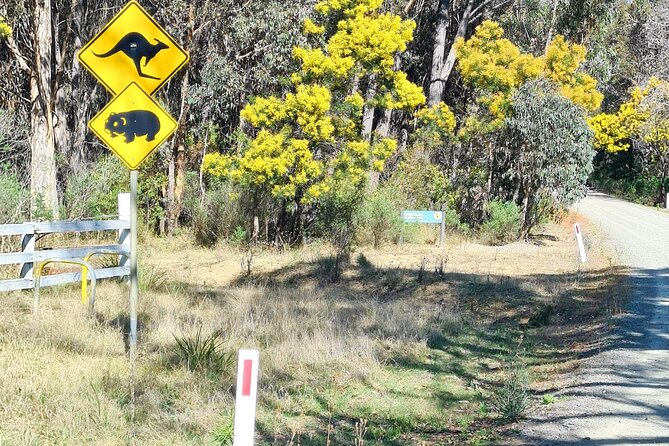
One of the most interesting themes of the safari is the Great Western Wildlife Corridor. This corridor is a vital habitat link, helping animals move safely between the southern Blue Mountains and Morton National Park.
For you, that means your wildlife search is happening in a place that matters ecologically, not just scenic countryside. When habitat is connected, wildlife can travel, forage, and breed with fewer barriers. The guide’s conservation context turns “spotting” into a bigger story, and it helps you understand why some species appear where they do.
It’s also practical. When the guide explains what the corridor supports, you start paying attention differently, like watching for food sources, travel routes, and the kinds of cover animals need. You stop staring only at the obvious open spaces and start checking edges, trees, and movement patterns.
Afternoon spotting across private farmland and bushland
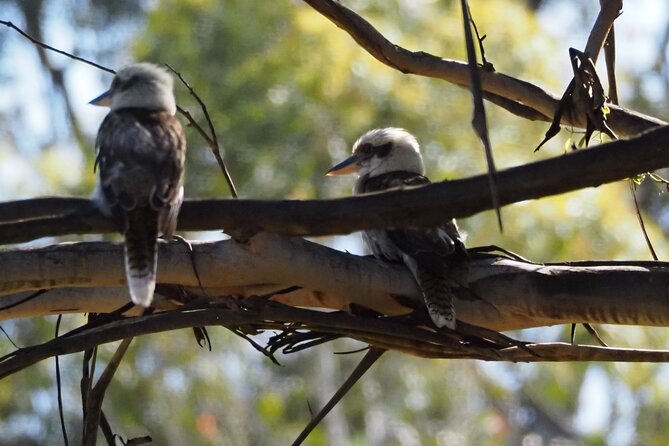
After lunch, the afternoon is your main wildlife window before dusk. You’ll spend time at several locations across private farmland and untouched bushland, guided the whole way.
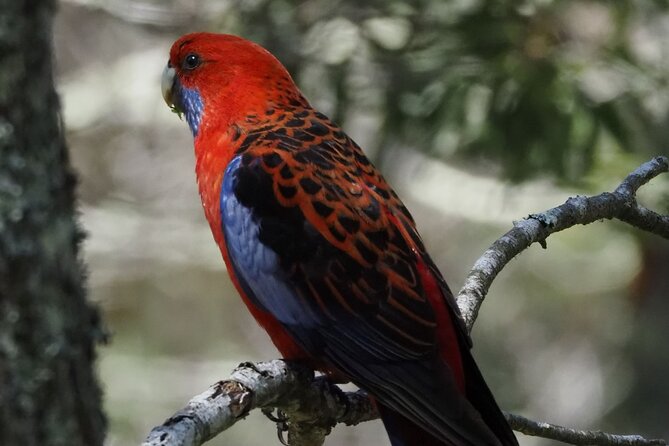
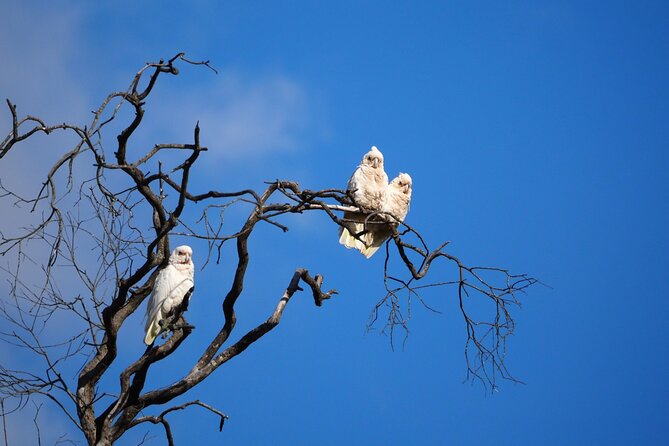
Birds are a strong focus here. You’ll have chances to spot well-known species like kookaburra, and you’re also likely to see other birds as you move between stops. Even if you miss some of the rarer mammals, the bird action often keeps the afternoon feeling lively.
The key is how you move. You’re not speeding from point to point. You’re stopping, watching, listening, then scanning again. That patience is what turns a random walk into a real safari experience.
If you want to maximize your odds, your best tool is still your attention. Keep your camera ready, but don’t stare through the lens the whole time. Let your eyes “rest” between scans, because wildlife often appears as a brief change in motion or sound.
Dusk at the river: the platypus moment and what to expect
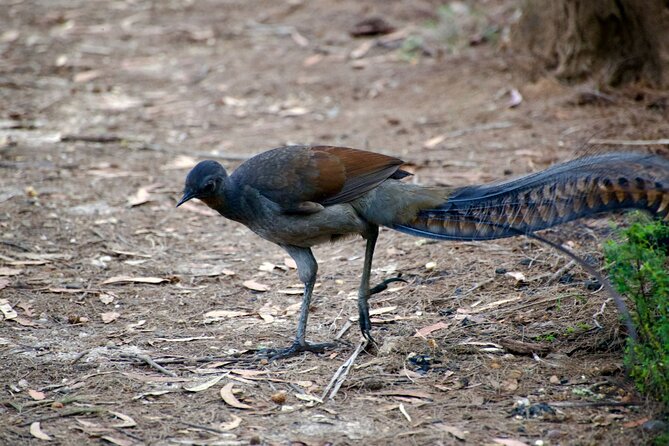
At dusk, the tour visits a quiet river to search for wild platypus. This is the part many people dream about, but it’s important to understand the reality: platypus sightings are not guaranteed.
That said, the dusk timing is exactly what makes this stop work. The guide is using the right conditions, and the group is set up for quiet watching. When you’re at the river, your job is simple: stay still, listen, and watch for subtle signs of activity.
Handheld spotlights are part of the setup for night searching, and the overall equipment approach helps you actually see what’s in front of you instead of guesswork. The river stop also tends to be special because the landscape turns calm, and the whole group focuses on one goal.
If you do see a platypus, it’s likely to be fast and slightly surreal, like the animal is aware it’s being searched for. If you do not, you still leave with a deeper understanding of how rare and sensitive this wildlife is.
More Sydney harbour days, city walks, coastal outings, and regional escapes worth considering


Dinner at Australia’s oldest licensed inn, then night spotlighting
After the river search, you head to dinner at a country pub setting that includes a drink (alcoholic or non-alcoholic). The tour also specifies dinner at Australia’s oldest licensed inn, which adds a very human, old-meets-wild angle to the evening.
Dinner is not just a break. It also resets the day. You’re about to switch gears from dusk watching to full night scanning, and food helps you keep energy steady.
Once it gets dark again, you do spotlighting for wombats, possums, and Tawny Frogmouths. This is one of the reasons I like the itinerary structure: you get daylight fieldwork, a key dusk moment, and then a night round where different animals are more active.
Spotlighting can feel dramatic, but the best way to enjoy it is to treat it like guided reading. Let the guide point, then watch closely. Tawny Frogmouths, for example, can be hard to notice until you see how they hold still in their chosen spots. Wombats and possums are often easier to track by behavior rather than by clean sight lines.
Also, the tour is capped at 8 travelers, so you’re not fighting a crowd for angles of view. That matters when you’re standing close together with night gear and trying to see without disturbing the animals.
Binoculars, spotlights, and what your guide’s role really means
This safari includes binoculars and handheld spotlights, plus wildlife reference guides. That sounds like standard tour gear, but it’s genuinely useful here because you’re searching in low light and often across messy natural cover where details matter.
Your guide’s job is bigger than just pointing at animals. The guide helps you understand where to look, what time-of-day makes sense, and how the animals fit into the local ecology. In the past, guides like Steve and Emma have been praised for being both enthusiastic and very sharp at knowing when and where wildlife is most likely to appear.
Even without a specific guide name attached to your booking, the style of the operation comes through: knowledgeable interpretation paired with real field skills, not just generic commentary.
One more practical detail: you’re likely to be taught how you’ll record sightings. That encourages you to think like a field observer, so your memories are clearer and you can compare your results across stops.
Price and value: is $304.83 worth it?
At $304.83 per person, this isn’t a budget outing. But for a 10-hour day focused on wildlife in a remote region, the value depends on what’s included and how much time you get with it.
Here’s what your ticket covers, based on what’s listed:
- Experienced guide
- Light lunch (like gourmet wraps)
- Dinner at a classic country pub, including a drink
- Binoculars and handheld spotlights
- Wildlife reference guides
- Comfortable air-conditioned transport
When you add those costs up on your own, the price starts to look more reasonable, especially because the biggest expense for you is time, not just money. You’re paying for transport out of Sydney, guided access to multiple locations, and the equipment that improves your viewing odds.
Also, group size matters. A maximum of 8 travelers usually means more attention per person than big-bus day trips. That attention can be the difference between missing an animal and seeing it clearly enough to enjoy the moment.
The main reason some people hesitate is the duration and the fact that platypus is a chance, not a guaranteed animal. If you’re only chasing one species and you hate the idea of weather or luck affecting the outcome, you might feel disappointed. If you enjoy the whole wildlife process, the value is much stronger.
Getting ready for the Southern Highlands: comfort tips that actually matter
This tour asks for moderate physical fitness. You should be able to walk about 1 km (half a mile) at a time, and the route may include steep, rough, sometimes slippery trails and river banks.
So pack like you’re going for a day of real outdoor walking:
- Closed-toe shoes with good grip
- Comfortable clothing you can layer
- A way to stay warm for evening, since dusk and night feel cooler
The tour also notes that it requires good weather. That doesn’t mean you’ll cancel at the first cloud, but it does mean you should expect the guide to prioritize conditions for wildlife safety and for the best viewing opportunity.
Finally, since there’s a dinner drink included, remember the minimum age is 18 and photo ID may be requested.
Who should book this safari, and who should skip it
This tour is ideal if you:
- Want a real wildlife day outside Sydney, not just a city visit
- Enjoy bird watching and learning what to look for
- Are excited by evening wildlife, especially the chance of platypus
- Prefer a small group over large crowds
It’s not ideal if:
- You have limited mobility or you can’t handle uneven, slippery terrain
- You need a guaranteed “see platypus” outcome
- You dislike long days that run close to 10 hours
If you’re traveling with kids, the data here only clearly addresses alcohol age. The walking requirement is the bigger factor to think about for families, since this is not a sit-and-smile outing for most of the day.
Should you book the Sydney Wildlife Safari?
I think this is a strong booking if you want a guided wildlife experience with real field time, not just a quick look. The combination of day spotting, learning about the Great Western Wildlife Corridor, and then searching rivers at dusk gives you a full spectrum of wildlife opportunities.
Before you commit, be honest with yourself about the walking. The safari includes trails and river banks that can be slippery. If you’re comfortable on uneven ground and ready for an all-day nature focus, you’ll likely feel like you got your money’s worth in experience, not just animals.
If you want a guaranteed “checklist” tour, this is not that. But if you want the kind of day where quiet watching, guide knowledge, and small moments come together, this safari is exactly the sort of trip that sticks with you.
FAQ
Where does the tour start?
You meet at the Sydney Harbour Marriott Hotel at Circular Quay, 30 Pitt St, Sydney NSW 2000.
What time does the tour start?
The start time is 12:00 pm.
How long is the experience?
The tour runs for about 10 hours.
What size is the group?
The tour has a maximum of 8 travelers.
What is included in the ticket?
It includes an experienced guide, light lunch, classic country pub dinner with a drink, binoculars, handheld spotlights, wildlife reference guides, and comfortable air-conditioned transport.
What wildlife might I see?
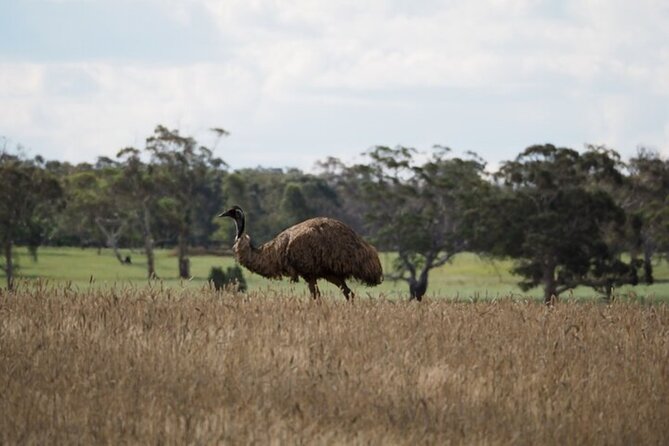
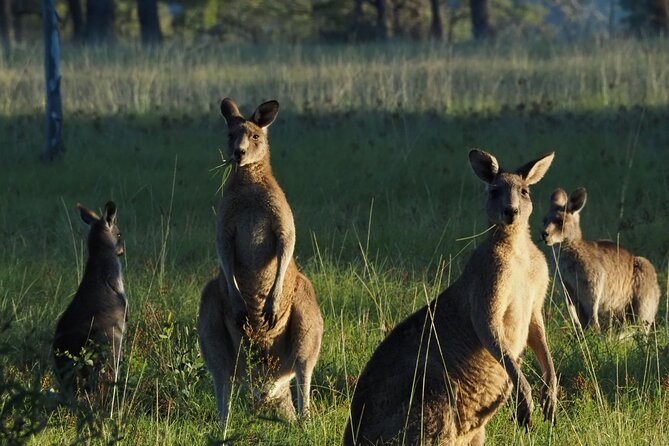
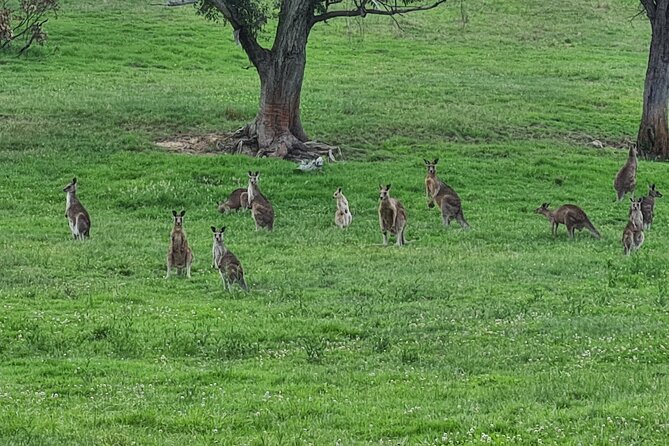
You may spot kangaroos, wallabies, wombats, emus, parrots, and a variety of birds. At dusk, you search for wild platypus, and at night you look for wombats, possums, and Tawny Frogmouths.
Is there walking involved?
Yes. You should be able to walk about 1 km at a time, including steep, rough, and sometimes slippery trails and river banks.
What should I wear?
Wear closed-toe shoes and comfortable clothing for walking, and check the Southern Highlands NSW weather forecast for your travel day.
Is alcohol included and is there an age limit?
Dinner includes a drink, and the minimum age to consume alcohol is 18. Photo ID may be requested.
What happens if the weather is poor or the minimum number of travelers is not met?
The experience requires good weather. If it is canceled due to poor weather, you’ll be offered a different date or a full refund. If it is canceled because the minimum number of travelers isn’t met, you’ll be offered a different date or a full refund.
More Wildlife Experiences in Sydney
More Safari Adventures in Sydney
More Tour Reviews in Sydney
- Blue Mountains Small-Group Tour from Sydney with Scenic World,Sydney Zoo & Ferry
★ 5.0 · 3,709 reviews


Not for you? Here's more nearby things to do in Sydney we have reviewed




More Wildlife
 ★ 5.0Blue Mountains: Three Sisters, Scenic World and Wildlife parkFrom $1821,481 reviews
 ★ 4.5Exclusive Blue Mountains Wildlife and Bushwalk Tour From SydneyFrom $1351,087 reviews
 ★ 4.5Small Group Blue Mountains, Wildlife & Scenic World Day TourFrom $147932 reviews
 ★ 4.7Blue Mountains Sunset Waterfalls Wildlife Tour From SydneyFrom $102897 reviews
 ★ 4.6Blue Mountains Wildlife & Bushwalk Small-Group TourFrom $133822 reviews
 ★ 5.0Luxury Hunter Valley Wildlife & Wine Tasting Tour from SydneyFrom $89652 reviews
 ★ 5.0Wildlife, Waterfalls and Wine Day Tour from SydneyFrom $268541 reviews
 ★ 4.8#1 Blue Mountains Tour Scenic World Waterfalls Wildlife ParkFrom $161445 reviews
Explore related Sydney days