
REVIEW · WALKING TOURS
Historical True Crime Walking Tour of East Sydney
East Sydney hides real crime stories in everyday streets. This 2-hour walking tour mixes major landmarks with a guided trail of murders, gang fights, and the people who lived next door to it all. I love that it stays easy to start, with a clear meeting point near Museum Sydney and an end right at Taylor Square.
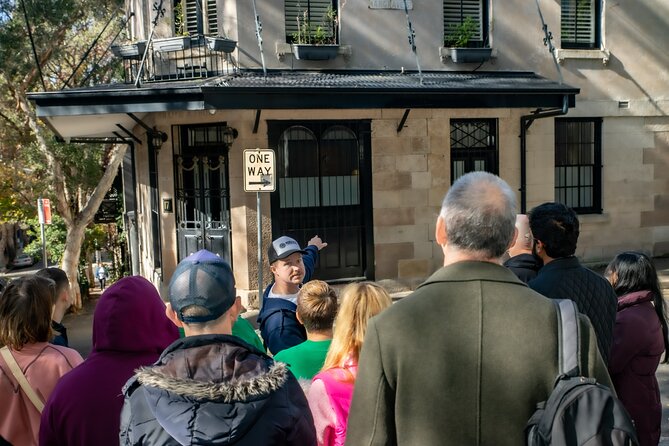
My second favorite part is the way the guide, Elliott, brings the area to life with more story than you’d ever pull from a guidebook. You also get a small group vibe, so it feels social, not like you’re just walking beside strangers with headsets.
One thing to consider before you book: the subject matter is dark. It focuses on criminals, prostitutes, drug dealers, and named murder cases, and you’ll want to be okay with true crime themes while walking through some of the city’s most historic (and uncomfortable) sites.
Key highlights you should care about
- Hyde Park context first, then the stories shift from national memorials to a 1920s murder case
- Darlinghurst’s laneways and architecture, including Victorian and Edwardian streets that you’d normally speed past
- Elliott’s storytelling pace, with a lot more than dates and plaques
- Crime scenes across decades, from the 1860s through the 1970s, plus 1960s murder references
- Kinselas Hotel on Taylor Square, finished at a historic building tied to the Mardi Gras backdrop
East Sydney’s dark lane stories in a two hour walk
If you like the idea of seeing a city through real events, this tour is a smart fit. Instead of treating East Sydney as a postcard, you walk it like a crime board, with each stop adding a new piece of the puzzle.
I really like the time frame. You cover decades, not just one era. That makes the stories feel connected, from the earlier convict era to later gangland myths and 1960s murder references tied to the guide’s route.
It’s also built for the way people actually travel. The duration is about 2 hours, and reviews suggest the walking amount is manageable, even though it is still a proper walking tour. You’ll spend more time listening and looking than doing long stretches of pavement.
You can also read our reviews of more walking tours in Sydney


Meeting at Museum Sydney, start at 11:00, end at Kinselas
The meeting point is MuseumSydney NSW 2000, with a start time of 11:00 am. I like meeting in a central, recognizable location, because it lowers the stress before you even start. You’re also near public transport, which matters in a city where plans can change quickly.
The tour ends at Kinselas Hotel at 383 Bourke St, Darlinghurst, on Taylor Square. That last stop is a practical win. You finish in a lively area where it’s easy to grab food or drinks after the tour without having to “escape” a far-off neighborhood.
The group size is capped at 25 travelers, which helps keep things conversational. You’re close enough to hear the guide clearly, while still getting that small group feeling where people chat at stops and swap questions.
Hyde Park stop: ANZAC Memorial, pond, and a 1920s cold case
Hyde Park is the opening act, and it works because it starts with meaning before the crime. You’ll look at the ANZAC Memorial and a pond, and the guide layers in multiple angles of history instead of jumping straight to murder.
I appreciate the mix of national story and local detail. The tour also covers Aboriginal use of Hyde Park before colonization, which gives the space a deeper foundation than the typical “big monument photo” approach.
Then you get a standout sports detail: the first cricket match between Australians and English in 1830. That’s a great reminder that Hyde Park was not only a symbolic center, it was also part of everyday public life, where events gathered people and attention.
The crime element arrives via a cold case murder from the 1920s. The value here is that it places a specific true crime thread at the start, right where you’re already learning the park’s role in wider Sydney life.
Potential drawback: because Hyde Park has high visibility and open space, you may be in a busier setting than later laneway sections. It’s still a good start, just don’t expect quiet, private corners.
Darlinghurst stop: Victorian and Edwardian streets plus 1860 to 1970 crime
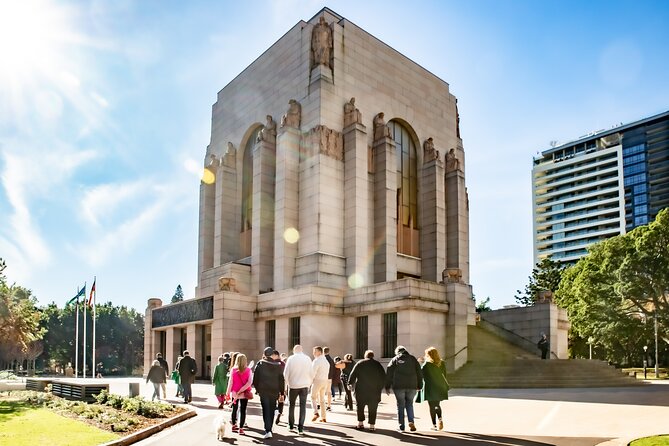
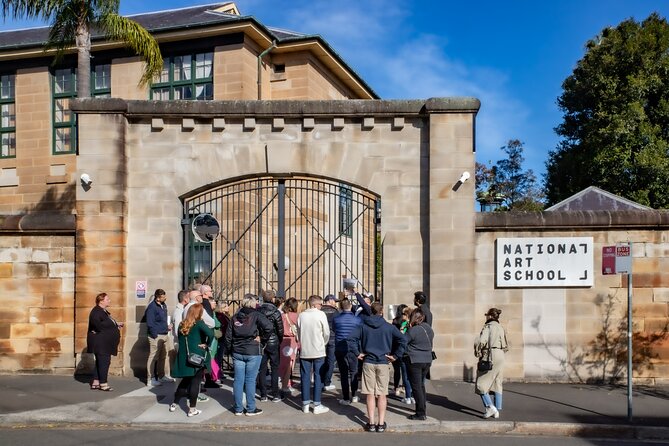
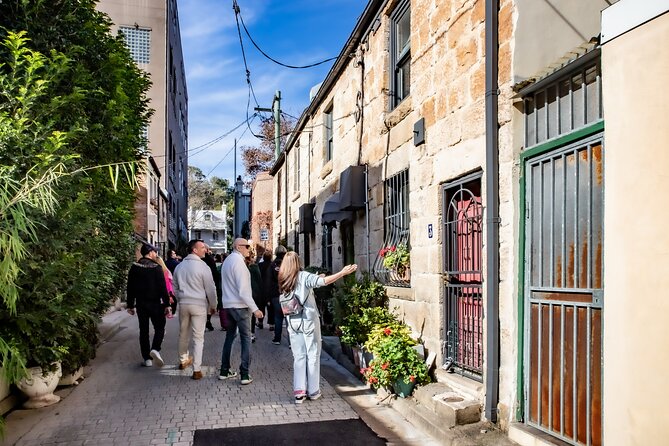
After leaving Hyde Park, you move into Darlinghurst, often treated as East Sydney in older references. This is where the tour really turns into a street-level story map. You’ll spend the rest of the walk in Darlinghurst exploring lanes and streets, investigating historical crime scenes from the 1860s to the 1970s.
I like that the route isn’t only architecture and drama. Darlinghurst is framed as a place shaped by social conditions, not just isolated crimes. The guide describes it as one of the most dangerous suburbs in Australia between roughly 1890 and 1960, with slums and ganglands that defined the area’s reputation for decades.
The tour is also very guided. Reviews emphasize that Elliott talks more than anyone reading from a phone screen, and you get stories about criminals, prostitutes, and drug dealers as part of the broader context. That’s a meaningful difference. You aren’t just learning a list of incidents, you’re understanding how the area’s conditions fed the kind of crimes that became famous.
Also, the architecture matters. Darlinghurst’s Victorian and Edwardian look is a strong visual anchor, so the stories feel grounded in real streets, not just dates.
One consideration: if you’re sensitive to true crime themes, be mentally ready. The tour’s power is also its heaviness.
Convict-built Sydney gaol and the old police courthouse
One of the strongest parts of this experience is how it uses buildings. You see the old Sydney gaol built by convicts in 1841. That early date changes your perspective. Crime here isn’t only about modern headlines, it’s tied to how punishment and law enforcement operated from the beginning.
The guide covers the inmates and the hangmen. I find that framing important. It turns the site from a “historic structure” into a place with human consequences.
Next comes the old Police Station and Courthouse. This is where the tour links streets to systems. You’re not just hearing about violence and wrongdoing, you’re learning how the local justice machine was set up to respond, even when society itself was under strain.
Why this matters for you: if your Sydney trip includes only harbor views and museum stops, this tour fills in what the city was like when enforcement, punishment, and public fear were part of daily life. It’s one of the easiest ways to see how a neighborhood’s reputation forms.
You can also read our reviews of more historical tours in Sydney



Parkland Killer, 1960s mutilations, and the Razorhurst gang fights
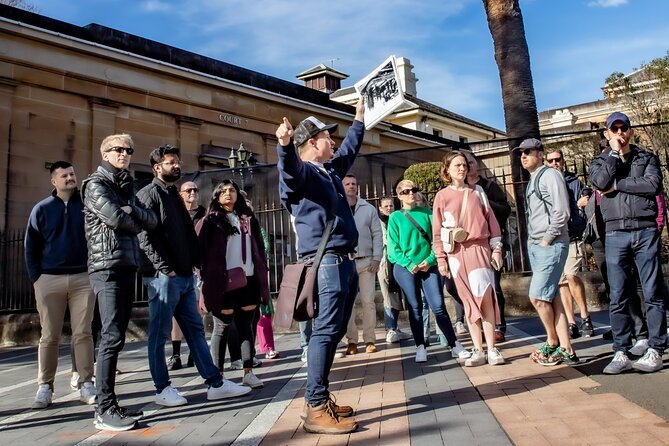
The tour doesn’t stop at early history. It includes stories tied to later decades, with crime scenes connected to the Parkland Killer and the Mutilator Murders from the 1960s. The guide also shows you an area once known as Razorhurst, tied to gang fights that happened long ago.
I like that the route threads these references through the streets you’re actually standing on. It makes the stories feel less like a separate true crime documentary and more like part of the same urban fabric.
This is also where the guide’s delivery matters most. Reviews strongly highlight that Elliott keeps things engaging and that his historical and sociological explanations help you understand why these crimes happened in the first place, not only what happened after.
What you should expect: the tour is designed for conversation and storytelling, not a silent march. You’ll likely ask follow-up questions when the guide mentions names, locations, and the shifting social conditions of East Sydney.
Small caution: because the content is specific and dark, you may want to pace yourself mentally. If you’re going with friends, agree on a “pause” plan if anyone gets uncomfortable.
Kinselas Hotel on Taylor Square, Mardi Gras backdrop
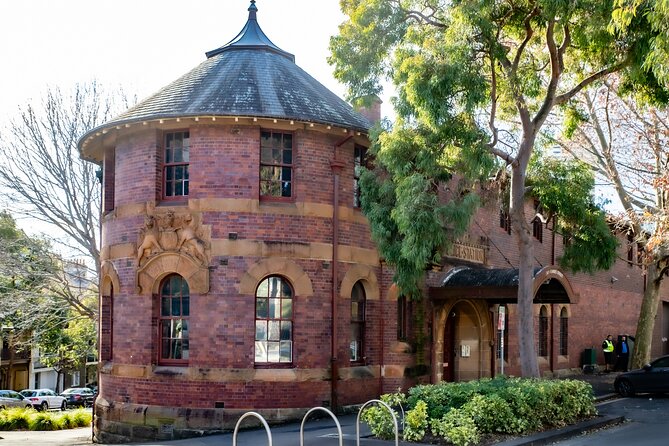
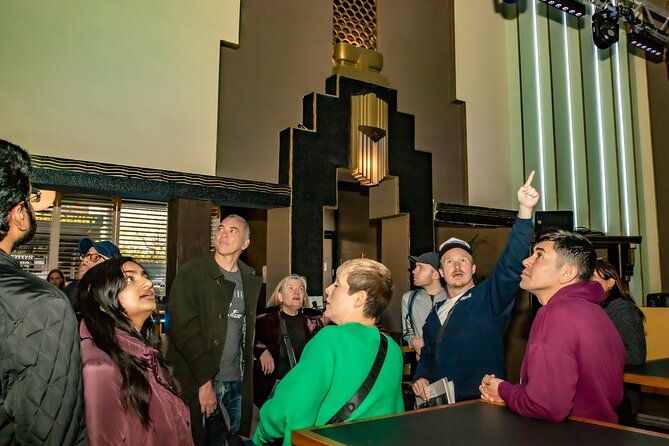
The walk ends at Kinselas Hotel on Taylor Square. It’s a 1930s funeral parlour that has been converted into a bar, and the building’s past gives it an unusual kind of gravity. You don’t just hear about death and crime in the abstract. You stop in a place with a history of handling endings.
This is also where the tour lands in a modern Sydney moment. Kinselas is noted as the famous backdrop of Sydney’s LGBT Mardi Gras. I like the contrast. You’re finishing a tour about hardship and fear in a spot that today is tied to visibility and celebration.
It’s a smart way to close. Instead of leaving you in a grim mood and then sending you to nowhere, you end in an active public area. You can keep exploring or grab a bite right away.
Price and group setup: $24, max 25, and a manageable stroll
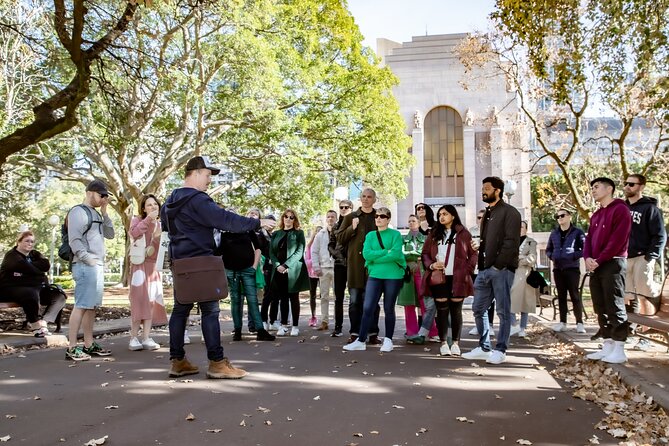
At $24 for about 2 hours, I think this is strong value for a couple reasons. First, it’s not just a self-guided walk. You’re paying for someone to connect the dots between architecture, street layout, and the crime stories attached to them.
Second, the tour keeps the walking reasonable for a city tour. Reviews note that even though it’s on foot, you don’t cover long distances that require marathon legs. That means it’s easier to fit into a Sydney day when you also have to deal with transport, meals, and general sightseeing fatigue.
Third, the group cap of 25 is ideal for this format. It’s large enough that solo travelers won’t feel awkward, but small enough that the guide can keep control and still be heard.
If you’re deciding whether to spend this time instead of another attraction, I’d frame it like this: if you want a true Sydney neighborhood experience, this tour helps you see how East Sydney evolved, from convict-built sites to 20th century gangland stories, and then into the social Sydney you recognize today.
Tips for getting the most out of Elliott’s storytelling
To enjoy this tour fully, you’ll want to be in “listening mode.” This isn’t a museum where you can skim at your own pace. You’ll cover a lot of ground in ideas, even if the walking distance feels manageable.
Here’s how I’d set yourself up:
- Wear comfortable shoes and expect city sidewalks. Even short walks can feel long if you’re stopping frequently to look and listen.
- Bring weather gear. The experience requires good weather, so plan for the day conditions.
- If you prefer lighter sightseeing, consider this a focused half of your day, not something to stack back-to-back with another heavy experience.
Most importantly, go in with curiosity. The tour’s strength is that it uses the streets as evidence, then uses the guide’s explanations to connect the evidence to the bigger social story of East Sydney.
Should you book this Historical True Crime Walking Tour of East Sydney?
I think you should book it if you like true crime that’s grounded in place, not just solved-by-suspicion stories. The combination of Hyde Park context, Darlinghurst street-level crime history, and stops like the convict-built gaol makes it a strong “see the city differently” experience.
You should skip it if you want a cheerful, scenic walk only, because the content is intentionally dark. Also, if you dislike true crime themes in general, this is not the tour to choose.
If you do book, I’d treat it as a neighborhood history lesson delivered through storytelling. With Elliott leading, the tour’s best feature is that you’ll understand the area’s reputation and how the city’s past left visible marks in the places you walk.
Either way, it’s a memorable use of a couple hours in Sydney, and it ends in a spot you can immediately continue enjoying.
FAQ
How long is the Historical True Crime Walking Tour of East Sydney?
The tour lasts approximately 2 hours.
What does the tour cost?
The price is $24.
Where is the meeting point and where does the tour end?
You meet at MuseumSydney NSW 2000, Australia. The tour ends at Kinselas Hotel, 383 Bourke St, Darlinghurst NSW 2010.
What time does the tour start?
The start time is 11:00 am.
What do you do at Hyde Park during the tour?
You discover the history of Hyde Park, including the ANZAC Memorial and pond. You also hear about a cold case murder from the 1920s, the first cricket match between Australians and English in 1830, and use of Hyde Park by Aboriginal people before colonization.
What areas are covered in Darlinghurst?
In Darlinghurst, you explore old laneways and streets and investigate historical crime scenes from 1860 to 1970. The tour focuses on the suburb’s crime reputation and includes stops related to the gaol, police station, and courthouse.
Is the walking part manageable?
The tour recommends travelers have a moderate physical fitness level. Reviews also note the walking is not terribly far.
Is the tour limited to a certain group size, and is there a mobile ticket?
The tour has a maximum of 25 travelers, and it uses a mobile ticket.
Is the tour affected by weather or can I cancel for free?
Good weather is required for the tour. If it is canceled due to poor weather, you’ll be offered a different date or a full refund. Free cancellation is available up to 24 hours in advance for a full refund.
More Walking Tours in Sydney
More Tours in Sydney
- Blue Mountains Small-Group Tour from Sydney with Scenic World,Sydney Zoo & Ferry
★ 5.0 · 3,709 reviews


More Tour Reviews in Sydney
- Blue Mountains Small-Group Tour from Sydney with Scenic World,Sydney Zoo & Ferry
★ 5.0 · 3,709 reviews

Not for you? Here's more nearby things to do in Sydney we have reviewed










More Walking Tours
 ★ 4.5Sydney Opera House Official Guided Walking TourFrom $343,770 reviews
 ★ 4.8From Sydney: Blue Mountains Tour with Waterfall Walk & LunchFrom $852,400 reviews
 ★ 5.0Sydney The Rocks Guided Walking TourFrom $321,546 reviews
 ★ 4.7The Rocks 90-Minute History Walking TourFrom $321,092 reviews
 ★ 5.0Blue Mountains Small Group Tour with Waterfall Walk & Fresh LunchFrom $86628 reviews
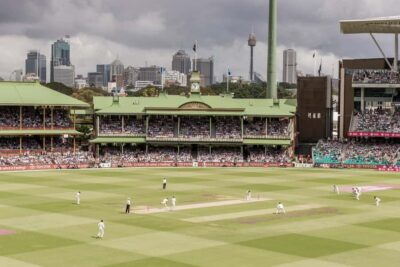 ★ 4.9Sydney Cricket Ground (SCG) and Museum Walking TourFrom $23616 reviews
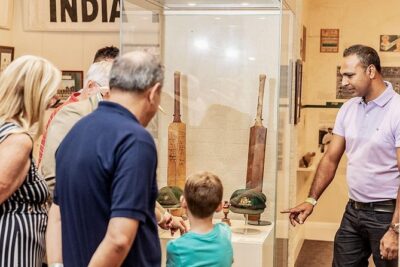 ★ 5.0Behind The Scenes: Sydney Cricket Ground (SCG) Guided Walking TourFrom $25581 reviews
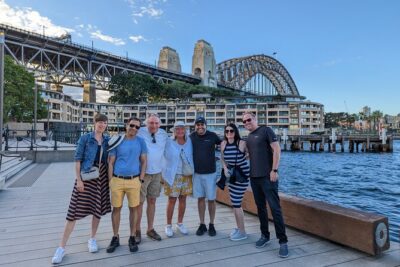 ★ 5.0Ultimate Sydney Walking Tour (Small-Group, Drink Included)From $57514 reviews
Explore related Sydney days